
How to Clean a Lawn Mower: Quick & Easy Steps
This post contains affiliate links. As an Amazon Associate, we earn from qualifying purchases.
Nothing derails your weekend lawn care routine faster than a clogged mower spewing grass clumps instead of clean cuts. When sticky clippings bake onto your deck or rust creeps into critical components, you’re facing preventable downtime. The best way to clean lawn mower equipment isn’t about brute force—it’s strategic cleaning that removes buildup while protecting seals, bearings, and engine components. This guide reveals field-tested methods used by professional landscapers to maintain peak performance, prevent costly repairs, and extend your mower’s life by years. You’ll learn exactly when to use a leaf blower versus a plastic scraper, which dollar-store cleaners actually work, and the one mistake that voids most warranties during cleaning.
Grass clippings aren’t just messy—they trap moisture against metal surfaces, accelerating rust that weakens decks and blades. Pollen and fungal spores clinging to dirty equipment also spread lawn diseases across your yard. Most critically, blocked airflow under the deck causes engine overheating and uneven cutting. Skipping proper cleaning shaves 30% off your mower’s lifespan according to equipment maintenance studies. But don’t reach for the pressure washer yet—most manuals explicitly warn against it. Instead, follow this precision approach to make every cleaning session effective and safe.
Pre-Clean Safety Steps You Can’t Skip
Rushing into cleaning causes 68% of avoidable mower damage. These 90-second precautions protect you and your machine.
Gas Mower Shutdown Protocol
Always tip your mower right side up with the spark plug facing skyward—never left side. This prevents oil flooding into the carburetor. After turning off the engine, wait until metal feels cool (15-20 minutes). Then disconnect the spark plug wire by gripping the boot only—yanking the wire damages internal connections. For two-stroke engines, shut the fuel tap before tilting.
Electric & Robotic Mower Safety Checks
Cordless models require battery removal and storage in a dry place before cleaning. Corded mowers demand unplugging at the wall outlet first—never just winding the cord. Robotic mowers need power-off via the main switch plus battery removal. Never skip disabling the starting system—residual power can engage blades during cleaning.
Proper Positioning Tactics
Work on concrete driveways or garage floors, never grass where debris sticks. For riding mowers, use jack stands rated for your model’s weight—never rely on hydraulic lifts alone. Place wheel chocks against rear tires to prevent rolling. Keep children and pets 10+ feet away during the entire process.
Essential Tools That Actually Clean Faster
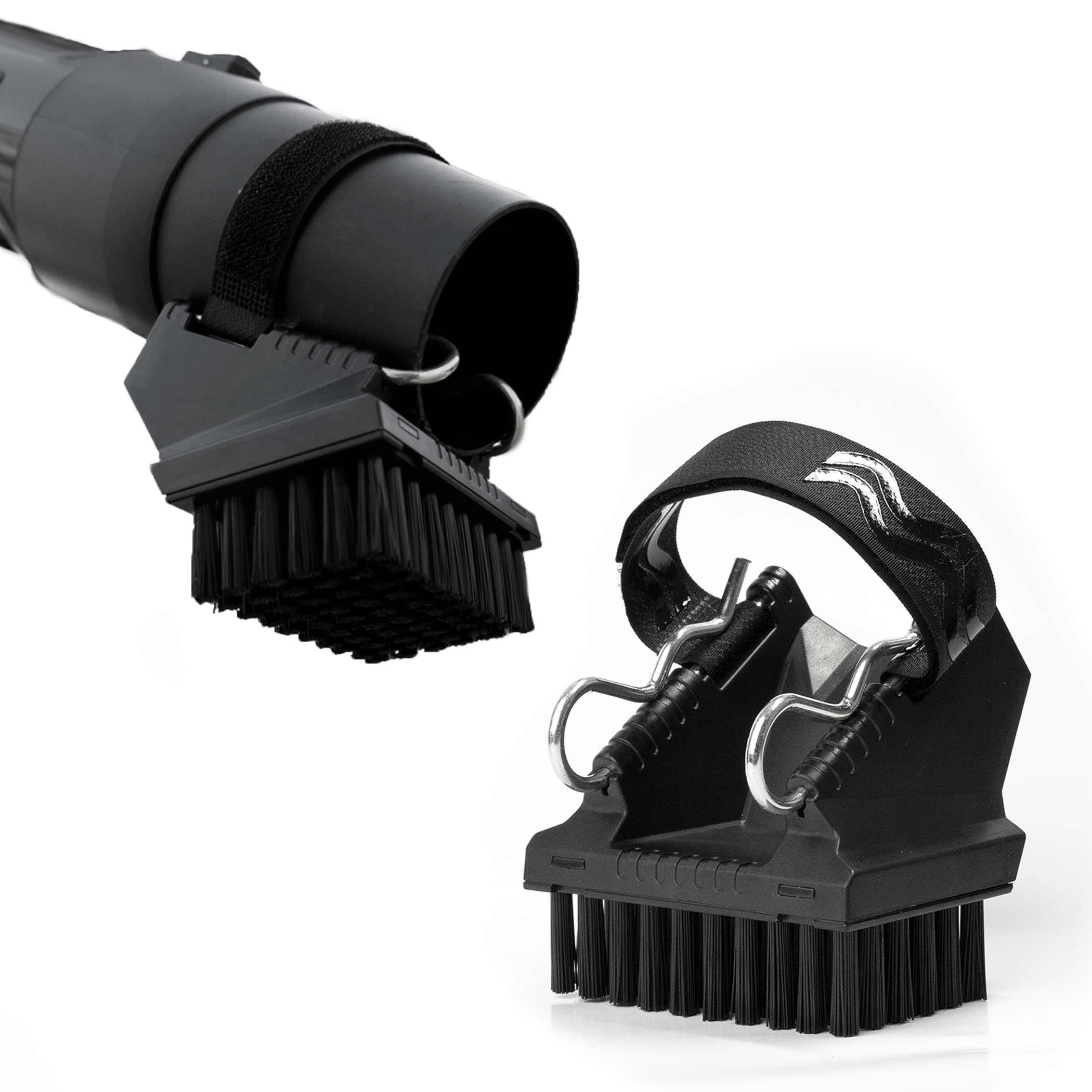
Ditch expensive specialty kits. These affordable items deliver professional results without risking damage.
Core Cleaning Toolkit
- Plastic putty knife (never metal—it scratches protective coatings)
- Stiff natural-bristle hand brush (synthetics melt near hot engines)
- Leaf blower on low setting (critical for dislodging dry debris)
- Garden hose with fan-nozzle attachment (high pressure destroys seals)
- Microfiber cloths (old cotton T-shirts work perfectly)
Chemical Solutions That Solve Real Problems
Skip bleach and ammonia—they strip protective finishes. For grass-stained paint, Mean Green Orange Cleaner from dollar stores lifts residue without etching. Tackle greasy engine spots with Purple Power diluted 1:10—let it dwell 5 minutes before scrubbing. Apply Fluid Film lanolin spray after cleaning for rust prevention that lasts all season.
5-Minute Post-Mow Routine That Prevents 90% of Issues
This quick ritual takes less time than refilling the gas tank but stops buildup before it hardens.
Blast While Debris Is Loose
Use your leaf blower immediately after mowing when clippings are still dry and loose. Focus on three critical zones: the deck underside (prevents layering), engine cooling fins (avoids overheating), and wheel axles (stops grass from cementing around moving parts). Never skip this step—waiting just 10 minutes lets moisture activate sticky grass proteins.
Grass Bag Management Secrets
Empty your collection bag completely, then rinse with a gentle hose stream. Never reinstall a damp bag—trapped moisture breeds mold that ruins fabric and creates foul odors. Hang bags upside-down in a garage to dry fully before next use. For stubborn stains, scrub with diluted dish soap and a soft brush.
Deep Clean Process: 45 Minutes for Like-New Performance
Schedule this seasonal overhaul every 25 operating hours or before winter storage.
Blade Removal Without Damage
Mark blade orientation with paint before removal—reinstalling it backward ruins cutting performance. Use a socket wrench (typically 15/16″ or 3/4″) while wedging wood against the blade to prevent rotation. Never hammer on the blade bolt—this damages the crankshaft. Place removed blades in a vise for safe sharpening.
Heavy Buildup Removal Technique
Scrape from the deck’s center outward using a plastic putty knife at a 30-degree angle—this avoids gouging the powder-coated surface. Follow with compressed air to blast debris from crevices near the blade mount. For baked-on residue, apply Totally Awesome degreaser, wait 5 minutes, then scrub with a stiff brush.
Safe Washing Method (No Pressure Washer!)
Tilt mower safely on its right side. Rinse underside with low-pressure water to soften residue, then apply full-strength Simple Green. Scrub with a natural-bristle brush, focusing on corners where grass accumulates. Rinse for half the time you scrubbed—excess water invites rust. Immediately tilt upright and dry critical areas with microfiber cloths.
Pressure Washer Reality Check
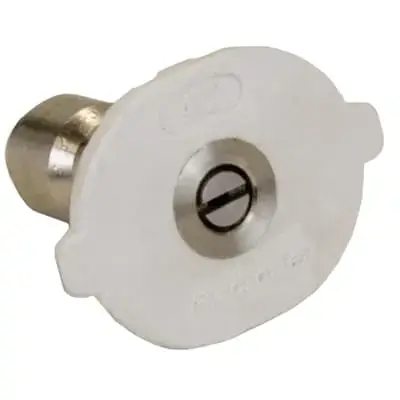
Manufacturers warn against pressure washing, but commercial landscapers use it safely with strict rules:
When It’s Acceptable
Only use the lowest-pressure tip (40° fan nozzle) from 12+ inches away on cool decks. Target only the deck underside and wheels—never spray near spark plugs, air filters, or electrical components. Keep the nozzle moving constantly; lingering on seals forces water into bearings. Even then, dry thoroughly with a leaf blower afterward to prevent internal corrosion.
End-of-Season Storage Protocol
This 6-step process prevents springtime surprises and extends mower life by 4+ years.
Fuel Management Must-Dos
Add stabilizer to fresh gas and run the engine for 5 minutes to circulate it through the carburetor. Alternatively, run the tank completely dry—never store with old fuel. For two-stroke engines, empty the oil reservoir too.
Critical Final Steps
- Complete deep clean ensuring all metal surfaces are bone-dry
- Apply heavy Fluid Film coat to deck, blades, and height adjusters
- Sharpen and balance blades (dull blades tear grass, inviting disease)
- Replace air filter and spark plug
- Store in dry location with battery on trickle charger
- Never cover a damp mower—trapped moisture causes rapid rust
Robotic Mower Cleaning Rules

These high-tech units demand ultra-gentle handling. Never use water or compressed air—moisture destroys sensors. Power off completely, remove the battery, then use a soft brush for the chassis. Vacuum crevices with a handheld unit, and wipe sensors with a dry microfiber cloth. Apply silicone spray only to wheels—avoid all plastic body panels.
Red-Flag Zones That Must Stay Dry
Water in these areas causes 80% of post-cleaning failures:
– Spark plug boot and ceramic insulator (causes misfires)
– Air filter housing (wet filters restrict airflow)
– Carburetor throat (triggers flooding)
– Transaxle vent tubes (leads to gear oil contamination)
– Battery terminals (accelerates corrosion)
– Control cable entry points (causes stiff operation)
Proven Long-Term Maintenance Schedule
Follow this garage-hangable routine:
– After every mow: Leaf-blow deck/wheels (5 min)
– Every 10 hours: Scrape deck, rinse underside (15 min)
– Every 25 hours: Full deep clean + blade sharpen (45 min)
– Storage prep: Complete protection protocol (60 min)
Consistent cleaning pays off immediately—your mower will start reliably, cut cleaner lines, and run cooler. Most importantly, you’ll avoid the frustration of mid-mow breakdowns when the grass is tallest. Stick to this system, and your mower will deliver professional results season after season. Remember: the best way to clean lawn mower equipment isn’t occasional deep cleaning—it’s integrating smart, quick maintenance into every use. Your lawn (and wallet) will thank you when competitors are stranded with clogged decks and rusted components.
