
Can a Patio Heater Be Used Indoors? Safety Guide
This post contains affiliate links. As an Amazon Associate, we earn from qualifying purchases.
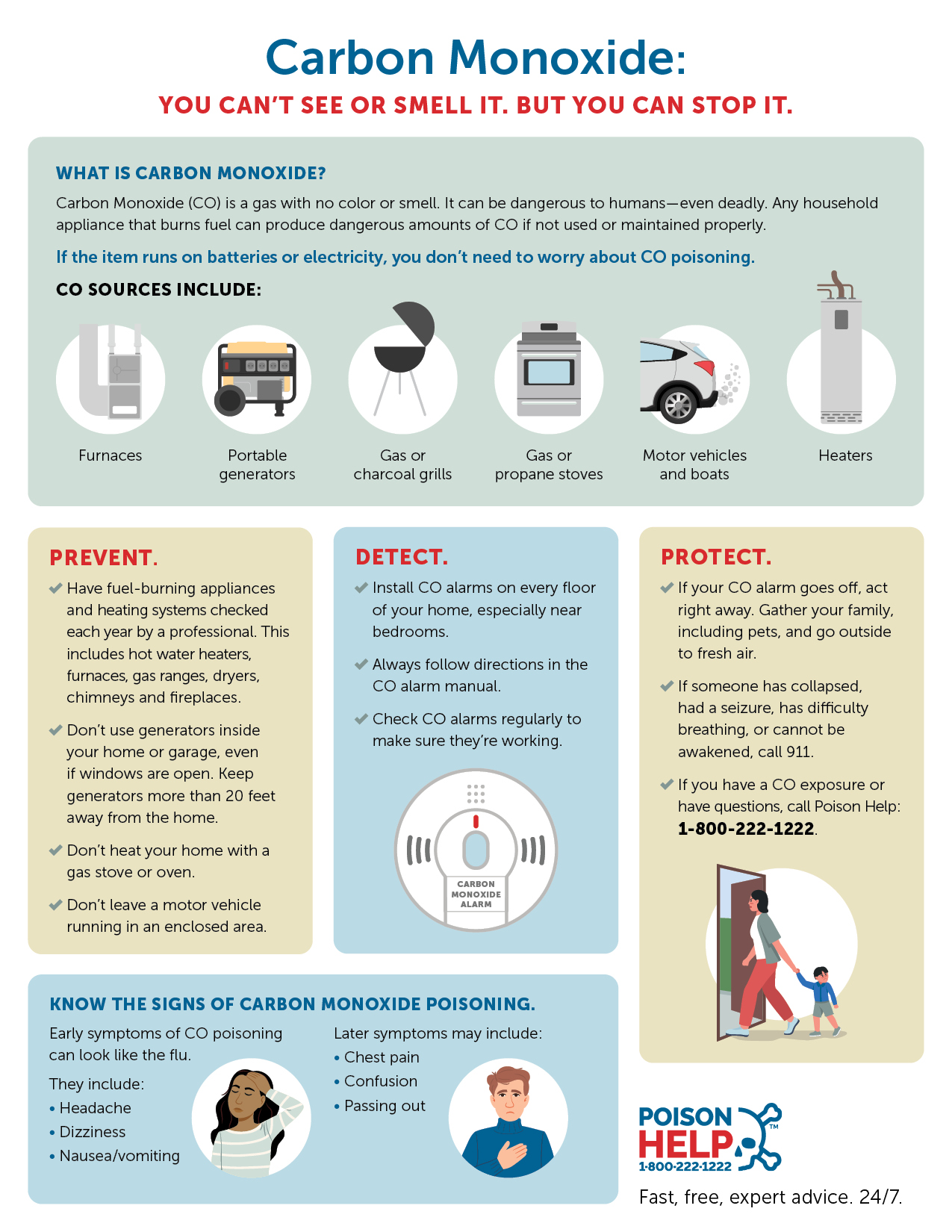
You’re shivering in your sunroom on a crisp evening, eyeing that sleek patio heater sitting unused on your deck. The temptation feels logical—it’s just heat, right? But before you wheel it inside, the stakes couldn’t be higher. Every year, 22 Americans die from exactly this mistake: bringing outdoor gas heaters into enclosed spaces. The silent killer isn’t fire—it’s invisible carbon monoxide poisoning that steals breath without warning.
This guide delivers the definitive answer on indoor patio heater safety, cutting through myths with hard facts from national safety standards. You’ll learn which models can safely warm your indoor spaces, which ones can kill you, and the precise safety protocols that separate cozy from catastrophic. No vague warnings—just actionable steps verified by the National Fire Protection Association and heating industry certifications.
Gas Patio Heaters: An Absolute Indoor Death Trap
Why Outdoor Gas Heaters Kill Indoors
Never bring gas or propane patio heaters labeled “outdoor use only” into any enclosed or semi-enclosed space—not even for “just 10 minutes.” These units lack critical safety features like oxygen depletion sensors and produce lethal carbon monoxide (CO) as they burn fuel. At concentrations as low as 70 parts per million over several hours, CO binds to your blood 200 times more aggressively than oxygen, starving your organs of oxygen while you feel only mild headache or dizziness. By the time nausea and confusion set in, you may be too weak to escape.
The Deadly Myth of “Cracked Windows”
Many believe ventilation makes gas heaters safe indoors. This misconception kills people. Outdoor gas heaters require 25-50% of your room’s total volume to be permanently open to outside air—not a single cracked window. For a standard 30,000 BTU patio heater, that means a permanent 120-square-inch vent opening (like a 10″x12″ hole in your wall). Mechanical exhaust fans actually worsen the danger by creating negative pressure that pulls CO back into the room instead of venting it out.
Electric Patio Heaters: Your Only Safe Indoor Option

Critical Safety Features You Must Verify
Before using any electric patio heater indoors, confirm these non-negotiable requirements:
– UL 1278 or UL 2021 certification visibly stamped on the unit (not just “CE” or “ETL”)
– Working overheat protection that cuts power if internal temps exceed 140°F
– Tip-over switch that instantly kills power if the unit falls
– No visible glowing elements—choose long-wave ceramic infrared models to avoid bright light
Precision Placement Rules
Wall or ceiling-mounted units demand:
– 3 feet of clearance from curtains, furniture, or any combustibles
– 6 feet below ceiling fans or light fixtures
– Mounting only on non-combustible surfaces like brick or tile
Freestanding towers require:
– A 3-foot radius completely clear of all objects (measure with tape!)
– A metal or stone base if placed on carpet
– Positioning away from doorways where pets or kids might knock it over
Choosing the Right Infrared Wave Type
| Wave Type | Indoor Safety Rating | Heat Quality | Best For |
|---|---|---|---|
| Long-wave ceramic | ★★★★★ | Gentle, even warmth | Bedrooms, living rooms |
| Medium-wave carbon | ★★★☆☆ | Moderate heat with dull red glow | Garages with partial ventilation |
| Short-wave halogen | ★★☆☆☆ | Intense spot heat with blinding glare | Never recommended indoors |
Top long-wave models designed for safe indoor use include the IR Energy EW32L234 (3,200W ceiling mount with adjustable tilt) and RADtec 32R-WF-SMR-CNT (Wi-Fi controlled with full dimming). Avoid any unit without explicit “indoor use” labeling—even if it’s electric.
Why Carbon Monoxide Detectors Won’t Save You
The Dangerous False Security Myth
CO detectors cannot make gas patio heaters safe indoors. Here’s why: UL 2034-certified alarms only sound after 60-240 minutes of exposure at dangerous levels (70+ ppm). By the time the alarm blares, you’ve already absorbed lethal doses that cause confusion and weakness—making escape difficult. These devices are emergency backups, not safety substitutes. Annual calibration and battery checks are mandatory, but they won’t prevent exposure from an improperly used heater.
Real-World Consequences
In a documented 2022 incident, a family placed a propane patio heater in their garage with the door open. They installed two CO detectors but still suffered severe poisoning within 20 minutes. Why? The heater consumed oxygen faster than the partially open door could replenish it, and the detectors didn’t trigger until CO levels reached 150 ppm—well into the danger zone. Ventilation myths create fatal complacency.
Legal Codes That Ban Indoor Gas Patio Heaters

National Standards With Zero Tolerance
The NFPA 54 Fuel Gas Code explicitly prohibits unvented propane appliances in dwelling spaces. Meanwhile, IRC Section R303.4 requires combustion air openings sized to manufacturer specifications—something portable patio heaters lack entirely. Most critically, ANSI Z21.86 certification (required for indoor gas heaters) mandates sealed combustion chambers and permanent venting systems, which patio heaters don’t have.
What “Indoor Gas Heaters” Actually Are
True indoor-safe gas units like the IR Energy EvenTube ETSV40N or Schwank compactSchwank PU-R040-VN aren’t patio heaters. They’re permanently installed vented systems requiring:
– Professional installation of 4-inch PVC flues through exterior walls
– Sealed combustion chambers that draw 100% of oxygen from outside
– $500+ installation costs compared to $150 patio heaters
– Municipal permits and inspections
These systems cost 3-5x more than patio heaters precisely because they solve the lethal ventilation problem patio heaters ignore.
Your Zero-Risk Indoor Heating Alternatives
When you need supplemental indoor warmth, choose these certified-safe options instead:
| Solution | Safety Certification | Heat Output | Best Room Size |
|---|---|---|---|
| Long-wave electric patio heater | UL 1278/UL 2021 | 3,200W | 300-400 sq ft |
| Ceramic tower space heater | UL 1278 | 1,500W | 150-250 sq ft |
| Vented propane wall heater | ANSI Z21.86 | 10,000-40,000 BTU | 400-800 sq ft |
| Heat pump mini-split | AHRI certified | 9,000-36,000 BTU | Whole home |
For sunrooms or conservatories, long-wave electric patio heaters provide the closest experience to outdoor warmth without risk. Models like the RADtec 32R-WF-SMR-CNT deliver targeted infrared heat that warms your body directly—not the air—making them 30% more efficient than fan heaters in drafty spaces.
Final Indoor Heater Safety Checklist
Before Plugging In Electric Models
- [ ] Confirm “indoor use” label on unit (not just “outdoor”)
- [ ] Test tip-over switch by gently tilting unit—it must shut off instantly
- [ ] Verify 3-foot clearance with measuring tape (not eye-balling)
- [ ] Ensure circuit handles 125% of heater’s amperage (3,200W needs 20A circuit)
- [ ] Set thermostat 5°F below room’s maximum safe temperature
Gas Heater Non-Negotiables
- [ ] Never use mushroom-style or pyramid propane heaters indoors
- [ ] Never rely on CO detectors as your primary safety measure
- [ ] Never assume “just one window open” provides adequate ventilation
- [ ] Install only professionally vented systems with annual flue inspections
Bottom line: Your outdoor propane heater belongs exactly there—outdoors. For indoor warmth, electric infrared heaters offer the only safe path to cozy comfort without risking your family’s lives. If you need high-BTU gas heat indoors, invest in a permanently installed vented system—not a patio heater with dangerous compromises. When warmth meets safety, there are no shortcuts worth dying for.
