
Can I Jump a Lawn Mower with My Car?
This post contains affiliate links. As an Amazon Associate, we earn from qualifying purchases.
Your lawn mower won’t start, grass is getting too tall, and you’re eyeing your car sitting in the driveway. Before you grab those jumper cables, you need to know: can you jump a lawn mower with your car? The answer is yes—but only if you follow specific safety protocols. One wrong connection could turn a simple dead battery into a costly electrical disaster that damages both your mower and possibly your car’s sensitive electronics.
Jump-starting a lawn mower with your car is a common emergency solution that homeowners and professionals use when stranded with a dead battery. However, skipping critical safety checks can lead to battery explosions, fried electrical systems, or even personal injury from acid burns. This guide covers exactly how to safely jump your 12-volt riding mower using your car’s battery, when you absolutely shouldn’t attempt this procedure, and professional tips to avoid damaging your equipment.
Voltage Check First: 12V or Bust
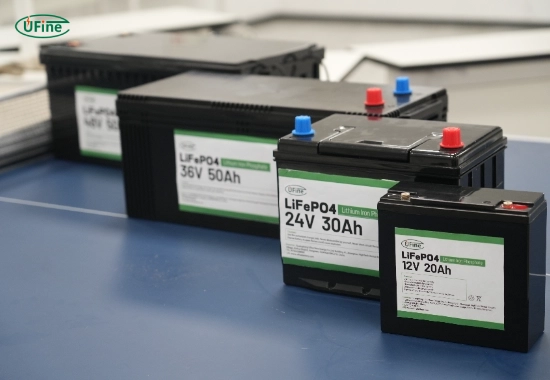
This isn’t optional—this is your first line of defense against destruction. Connecting a 12-volt car battery to a 6-volt lawn mower system will instantly fry the mower’s electrical components. Here’s how to verify compatibility before you even touch jumper cables:
- Read the battery label – Look for “12V” or “6V” stamped directly on the battery casing
- Count the filler caps – 12V batteries have 6 cells (6 caps), while 6V batteries have only 3
- Check your owner’s manual – Some manufacturers explicitly prohibit jump-starting
- When uncertain, don’t risk it – 6V systems are common in push mowers and older models
What Happens If You Get It Wrong?
Connecting a 12V car battery to a 6V mower creates an electrical tsunami through the mower’s system. You’ll likely see smoke, smell burning insulation, and face hundreds in repair costs for a problem that could have been avoided with a 30-second check.
Essential Safety Gear Checklist

Non-Negotiable Protection
- Safety goggles – Not sunglasses, but proper ANSI-rated eye protection
- Rubber or leather gloves – Prevent acid burns and electrical contact
- Remove all jewelry – Rings or watches can cause dangerous short circuits
- Work on level ground – Away from gasoline containers or flammable debris
Environmental Setup
- Never jump-start in enclosed spaces – Battery gases are highly explosive
- Clear 10-foot radius – Remove leaves, gasoline cans, and solvents
- Keep ignition sources far away – Cigarettes must be 50+ feet from work area
- Ensure vehicles won’t roll – Engage both parking brakes firmly
Jumper Cable Requirements You Can’t Skip

Minimum Specifications
- Amperage rating: 1000+ amps (most automotive cables meet this)
- Wire gauge: 8-gauge or thicker for reliable power transfer
- Length: 12-20 feet to position vehicles safely without strain
- Clamp quality: Heavy-duty copper or copper-plated steel (avoid aluminum)
Quick Cable Inspection
- Check for cracks – Exposed wires create dangerous short circuits
- Test clamp tension – Should grip terminals firmly without slipping
- Clean corrosion – Use a wire brush on terminals before connecting
Proper Vehicle Positioning Sequence
Car Placement Rules
- Park car close but not touching mower (18-24 inches clearance)
- Both vehicles must be on level, stable ground
- Engage parking brakes on both vehicles
- Turn off car engine completely and remove keys
Mower Preparation
- Shift transmission into neutral or park position
- Remove key from mower ignition before connecting cables
- Locate battery (typically under seat or behind hood)
- Identify positive (+) and negative (-) terminals clearly—mark with chalk if needed
Battery Inspection Before Connection
Critical Visual Check
- Look for cracks, leaks, or swelling – Stop immediately if present
- Check terminal condition for excessive corrosion
- Clean corrosion with baking soda paste (1 tbsp baking soda + 1 cup water)
- Never attempt jump-start if battery shows physical damage
Terminal Cleaning Process
- Apply baking soda paste with old toothbrush
- Scrub until terminals shine bright metal
- Rinse thoroughly with clean water
- Dry completely with clean rag before connecting cables
Exact Cable Connection Sequence
Step 1: Positive (Red) Connections
- Connect red clamp to dead mower battery positive terminal first
- Connect other red clamp to good car battery positive terminal
Step 2: Negative (Black) Connections
- Connect black clamp to car battery negative terminal
- Connect other black clamp to unpainted metal frame on mower (never to battery negative)
Critical Error Prevention
- Never allow clamps to touch each other during connection
- Double-check all connections before attempting start
- Ensure black clamp contacts bare metal – Paint prevents proper grounding
Starting Methods: Which One Saves Your Electronics?
Method 1: Car Engine OFF (Recommended)
- Keep car engine completely off throughout process
- Car battery alone provides adequate starting power
- Reduces risk of alternator-induced voltage spikes
- Works successfully in over 95% of jump-start attempts
Method 2: Car Engine ON (High Risk)
- Start car and let idle 2-3 minutes only if Method 1 fails
- Higher risk of electrical damage from alternator output
- Monitor closely for burning smells or unusual sounds
- Never rev the engine during this process
Troubleshooting Failed Start Attempts
Diagnostic Checklist
- Clicking sound without cranking: Check all cable connections
- No sound when turning key: Verify mower is in neutral/park
- Slow cranking: Wait 2 minutes, then retry—battery needs more charge
- Smoke or sparks: Disconnect immediately and inspect system
Safe Retry Protocol
- Limit each cranking attempt to 10-15 seconds maximum
- Wait 1-2 minutes between attempts to prevent overheating
- After 3 failed attempts, stop immediately—problem likely isn’t the battery
- Once started, let mower run 2-3 minutes while connected
Correct Cable Disconnection Order
Critical Removal Sequence
- Remove black clamp from mower frame first
- Remove black clamp from car battery negative terminal
- Remove red clamp from mower battery positive terminal
- Remove red clamp from car battery positive terminal
Safety During Disconnection
- Never let clamps touch each other after removal
- Check cables for heat – Warmth is normal, excessive heat indicates problems
- Store cables properly – Coil neatly to prevent damage for next use
Post-Jump Battery Maintenance
Immediate Actions
- Let mower run 15-20 minutes to partially recharge battery
- Test all electrical functions (lights, blade engagement)
- Listen for unusual sounds or burning smells
- Check for loose connections that may have vibrated during operation
Essential Battery Care
- Fully charge using 2-6 amp automotive charger (3-10 hours)
- Clean terminals and apply dielectric grease to prevent corrosion
- Test voltage – Should read 12.6V when fully charged
- Replace if over 3-4 years old – Old batteries won’t hold charge
When NOT to Attempt This Procedure
Absolute No-Go Situations
- 6-volt mower batteries (common in push mowers)
- Cracked, leaking, or swollen batteries
- Electronic Fuel Injection (EFI) systems – High risk of damage
- No terminal access due to protective housing
Warning Signs to Stop Immediately
- Battery older than 3-4 years
- Repeated dead battery incidents (indicates charging system failure)
- Smoke or burning smell during connection
- Battery feels hot to touch
Better Alternatives to Car Jump-Starts
Portable Jump Starters
- Cost: $50-60 for quality units with 1000+ peak amps
- Benefits: No second vehicle needed, much safer
- Features: Built-in safety protections, compact storage
- Power: Ensure adequate CCA rating for your mower engine size
Smart Battery Chargers
- Trickle chargers: $40-50 for seasonal maintenance
- Automatic shutoff: Prevents overcharging damage
- Monthly maintenance: Keep battery charged during off-season
- Long-term savings: Cheaper than repeated jump-start damage
Expert Prevention Tips You Need
Landscaper Secrets
- Keep dedicated jump pack in your truck or shed
- Replace batteries every 2-3 seasons before failure
- Install battery disconnect switch for winter storage
- Use fuel stabilizer to prevent starting issues after storage
Critical Mistakes to Avoid
- Jumping 6V systems with 12V car battery (destroys electronics)
- Connecting black clamp to mower battery negative (causes sparks)
- Running car engine during jump-start (risks voltage spikes)
- Skipping terminal cleaning (causes poor connection)
Final Safety Checklist
Before You Start:
– [ ] Both batteries confirmed 12V
– [ ] Safety gear on (goggles, gloves)
– [ ] Cables inspected and clean
– [ ] Car engine OFF during jump
– [ ] Mower in neutral/park position
Stop Immediately If:
– [ ] Battery shows physical damage
– [ ] Sparks occur during connection
– [ ] Cables become hot to touch
– [ ] Mower doesn’t start after 3 attempts
Jumping your lawn mower with your car is possible and safe when done correctly—but it’s strictly an emergency solution. If your mower battery dies repeatedly, replace it rather than risking electrical damage from repeated jump-starts. A new lawn mower battery costs $30-60, while repairing fried electronics could cost hundreds. Keep these instructions printed in your garage—you’ll be glad you have them when your mower won’t start on a hot Saturday morning with overgrown grass. Always prioritize safety over speed when working with batteries—your equipment (and your safety) depends on it.
