
Can You Put a Patio Heater Under a Gazebo?
This post contains affiliate links. As an Amazon Associate, we earn from qualifying purchases.
Picture this: crisp autumn air, your gazebo perfectly set with string lights and cozy seating, but as you settle in for an evening gathering, the chill sets in. You reach for that patio heater you’ve been eyeing—only to hesitate. Can you safely put a patio heater under a gazebo without risking fire, carbon monoxide exposure, or violating safety codes? This question stops many homeowners from extending their outdoor season, and for good reason. One overlooked clearance measurement could turn your cozy retreat into a fire hazard within minutes.
The direct answer to “can you put a patio heater under a gazebo” is yes—but only with strict adherence to heater type, ventilation rules, and clearance distances. Electric infrared models operate safely even in fully enclosed gazebos, while gas options demand wide-open sides and constant airflow. Crucially, wood-burning fire pits are never permitted under any gazebo roof. Choosing wrong could trigger carbon monoxide poisoning in just 10 minutes of use or ignite wooden beams with stray sparks.
Before you fire up any heater, understand that 90% of gazebo heating disasters stem from ignoring two critical factors: the 24-36 inch clearance rule for gas units and the absolute prohibition of wood-burning heat sources. This guide cuts through the confusion with exact measurements, installation protocols, and emergency steps verified by fire safety experts—so you can enjoy warm evenings without compromising safety.
Electric Infrared Heaters: Your Safest Gazebo Heating Solution
Electric infrared heaters eliminate the top risks plaguing gazebo owners by producing no carbon monoxide and requiring minimal space. Unlike conventional heaters that warm the air (easily blown away by wind), infrared rays directly heat people and objects—like sunshine through a window. This makes them uniquely effective in open-sided gazebos where drafts would cripple gas heaters. You’ll gain instant warmth the moment you flip the switch, with no warm-up time.
Critical installation specs you must verify:
– Power needs: 2000-6000W on 220-240V circuits (standard 120V outlets can’t handle the load)
– Ceiling clearance: Maintain 12-24 inches between heater and roof (check your model’s manual)
– Side clearance: Keep 15-18 inches from walls, curtains, or hanging plants
– Weatherproofing: Only use units rated IPX5 or higher to withstand rain and humidity
Mounting Options That Maximize Gazebo Space
Ceiling installation delivers unobstructed heat coverage while preserving floor space. Most quality units (15-25 lbs) mount directly to wooden beams using included brackets—just confirm your gazebo’s structural capacity first. Position the heater 15 inches below the roof peak and angle it toward seating areas. This setup works perfectly in 8×8 gazebos where every inch counts.
Wall mounting solves clearance issues in low-ceilinged structures. Secure the heater to non-combustible surfaces like stone or metal siding, never wood. Angle the unit downward at 30-45 degrees to target guests’ shoulders—not the gazebo walls. Ideal for gazebos attached to your house where exterior walls provide stable mounting.
Freestanding units offer temporary flexibility for pop-up gazebos. Choose models with weighted bases and tip-over switches that auto-shut off if knocked over. Place on stable, level ground at least 6 feet from furniture and walkways. Never use indoors-rated heaters—they lack weather resistance and pose shock hazards.
Gas Heater Safety: When Ventilation Is Non-Negotiable
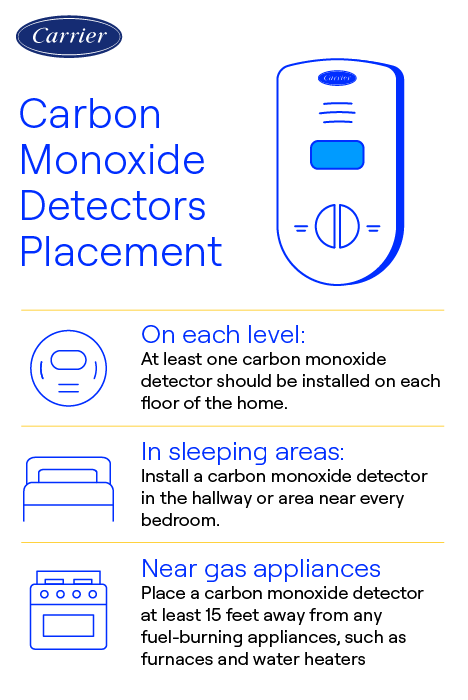
Gas heaters can function under gazebos—but only if you treat ventilation as your top priority. Every BTU of heat they produce generates carbon monoxide, a silent killer that builds to dangerous levels in minutes within enclosed spaces. If your gazebo has removable walls, keep at least three sides completely open during operation. Never use gas heaters in fully enclosed gazebos—even with windows cracked.
Spotting Carbon Monoxide Danger Signs Immediately
Gas heaters won’t warn you with visible smoke or strong odors. Watch for these subtle symptoms indicating CO buildup:
– Persistent headaches developing within 15 minutes of use
– Unexplained dizziness when standing up
– Stuffy air that doesn’t clear with breeze
– Lingering propane scent after initial ignition
If you notice ANY of these, shut off the heater instantly and evacuate. Do not re-enter until emergency services confirm safe air quality. Install battery-operated CO detectors within 5 feet of seating areas as your last line of defense.
Clearance Requirements That Save Lives
Gas heaters demand double the space of electric models—ignore these at your peril:
– Minimum ceiling distance: 24-36 inches (3 feet for tower models)
– Wall/fabric clearance: 24-36 inches from all combustibles
– Propane tank placement: Tanks MUST stay outside the gazebo structure
– Foot traffic buffer: Keep heaters 6+ feet from paths and seating edges
In an 8×8 gazebo, these clearances consume 30% of your usable floor space. Measure with a tape before buying—many “compact” gas heaters still require a 7-foot safety bubble.
Gazebo Size-Specific Heater Strategies
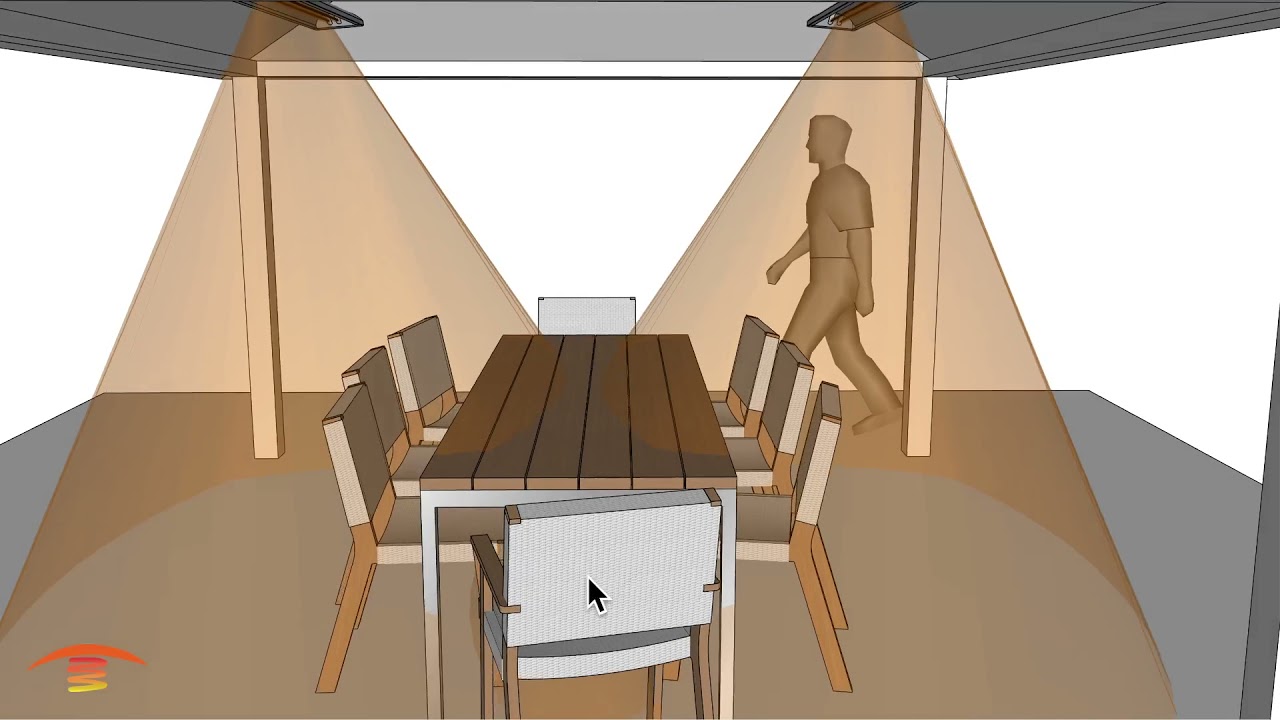
Small Gazebos (8×8 to 10×10)
Electric infrared is your only viable option here. A single 1500-3000W ceiling-mounted unit provides even warmth without eating into limited space. Gas heaters fail the clearance test—remember, a standard 40,000 BTU propane tower needs 36 inches overhead PLUS 36 inches on all sides, leaving barely room for one chair.
Medium Gazebos (12×12 to 16×16)
Two approaches work: Install dual 1500W electric units at opposite corners for zone heating, or use one 5000W gas heater if you have open sides. For gas setups, position the heater near the center but verify 36-inch clearances won’t block seating. Always place propane tanks on level ground outside the structure.
Large Gazebos (16×16+)
Combine ceiling-mounted electric units over seating areas with wall-mounted gas heaters for transitional zones. Use separate thermostats to heat only occupied sections—no need to waste energy warming empty corners. For mixed setups, keep electric and gas units at least 10 feet apart to prevent interference.
Prohibited Heater Types: Absolute No-Gos
Wood-burning fire pits belong on open patios—not under gazebos. Sparks can ignite wooden rafters, and creosote buildup creates flammable residue on beams. The required 7-foot ceiling clearance and 10-foot house buffer make gazebo use physically impossible.
Unvented propane heaters (common at construction sites) release CO directly into your space. They’re designed for fully open areas only—never in semi-enclosed structures where deadly gas accumulates.
Indoor electric heaters lack weatherproofing. Moisture exposure risks electrical shorts and shock hazards. Always verify outdoor ratings—look for “IPX5” or “Outdoor Use” labels.
Pre-Installation Safety Checklist
Avoid these deadly oversights with a 5-minute verification:
1. Circuit capacity test: Electric heaters need dedicated 20-30A circuits—no extension cords
2. Structural strength check: Confirm beams support 25+ lbs (add mounting plates if needed)
3. Local code review: Many cities ban gas heaters within 10 feet of structures
4. Surface inspection: Mount only on non-combustible materials (stone, metal)
5. Clearance dry run: Use painter’s tape to mark safety zones before installing
Emergency Response Protocols
Gas leak procedure:
1. Shut off propane valve IMMEDIATELY
2. Evacuate everyone (do NOT operate light switches)
3. Call fire department from outside
4. Wait for professionals to inspect
Electrical fire response:
– Cut power at main breaker FIRST
– Use Class C fire extinguisher ONLY
– Never spray water on live electrical fires
Critical maintenance step: Test electric heater shutoff switches monthly by manually tipping the unit—if it doesn’t power off instantly, replace it.
Final Safety Takeaway: Electric infrared heaters are your only truly worry-free option for gazebo heating—providing instant, wind-resistant warmth with minimal clearances. Gas heaters require obsessive ventilation management and only work in large, open-sided structures. NEVER compromise on clearance distances or use prohibited wood-burning units. Before your next gathering, run through the pre-installation checklist and keep a fire extinguisher within arm’s reach. With these protocols, you’ll transform chilly evenings into cozy memories—not emergency calls. For ongoing safety, schedule annual professional inspections of gas connections and clean electric heating elements quarterly with a soft brush. Your gazebo should be a sanctuary, not a hazard zone.
