
Can You Use a Patio Heater in a Garage? Safety Tips
This post contains affiliate links. As an Amazon Associate, we earn from qualifying purchases.
That biting cold in your garage makes you eye your patio heater with desperate hope. Before you drag it inside for relief, understand this urgent truth: you cannot safely use a gas-powered patio heater in a garage. This seemingly convenient solution risks carbon monoxide poisoning, fire hazards, and even voided insurance coverage. While electric patio heaters offer a temporary indoor alternative, they come with strict limitations. This guide cuts through the confusion with life-saving facts from fire safety experts, building codes, and real-world incident reports. You’ll discover exactly why garages demand specialized heating solutions and how to warm your workspace without gambling with your family’s safety.
The stakes couldn’t be higher—carbon monoxide from improperly used heaters kills over 400 Americans annually, and garage fires account for 17% of residential fire deaths. Yet many homeowners mistakenly believe opening the garage door “solves” ventilation issues. Spoiler: It doesn’t. This guide delivers actionable steps to identify safe heating options, avoid deadly mistakes, and implement professional-recommended solutions that keep your workspace warm and your insurance valid.
Why Patio Heaters Fail in Garages
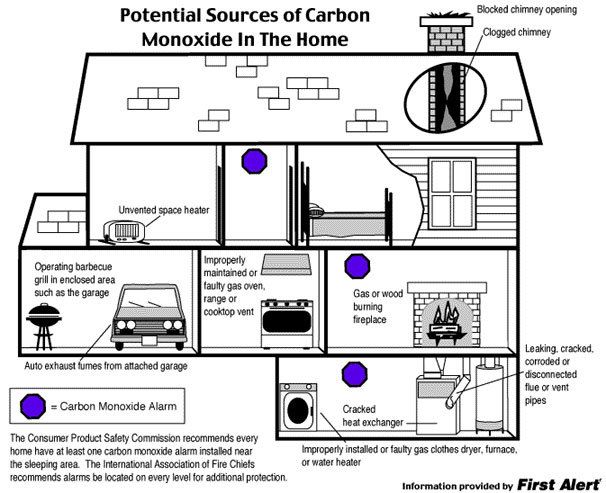
Carbon Monoxide: The Silent Killer
Gas patio heaters—whether propane or natural gas—generate carbon monoxide (CO) as they burn fuel. This invisible, odorless gas accumulates rapidly in enclosed garages, bypassing your senses until it’s too late. Symptoms like headaches, dizziness, or nausea often strike within minutes, escalating to unconsciousness or death in confined spaces. Crucially, opening your garage door rarely provides adequate ventilation. Stored cars, tool cabinets, or wind direction can block airflow, trapping lethal CO concentrations. Even brief exposure to low levels causes irreversible neurological damage according to fire safety inspectors, making this risk non-negotiable.
Fire Risks Multiply Indoors
Garages are fire accelerants by design—packed with paint cans, cardboard boxes, and gasoline containers. Patio heaters require a strict 3-foot clearance from all combustibles, an impossible standard when walls, shelves, and vehicles crowd typical garages. A single bump could tip the heater onto oily rags, while dust buildup on heating elements ignites spontaneously. Propane tank valves are equally dangerous; stored indoors, they can leak and create explosive atmospheres. Unlike patios where breezes disperse sparks, garage fires spread 5x faster due to stored fuels and limited escape routes.
Gas Heaters: Absolute Prohibition
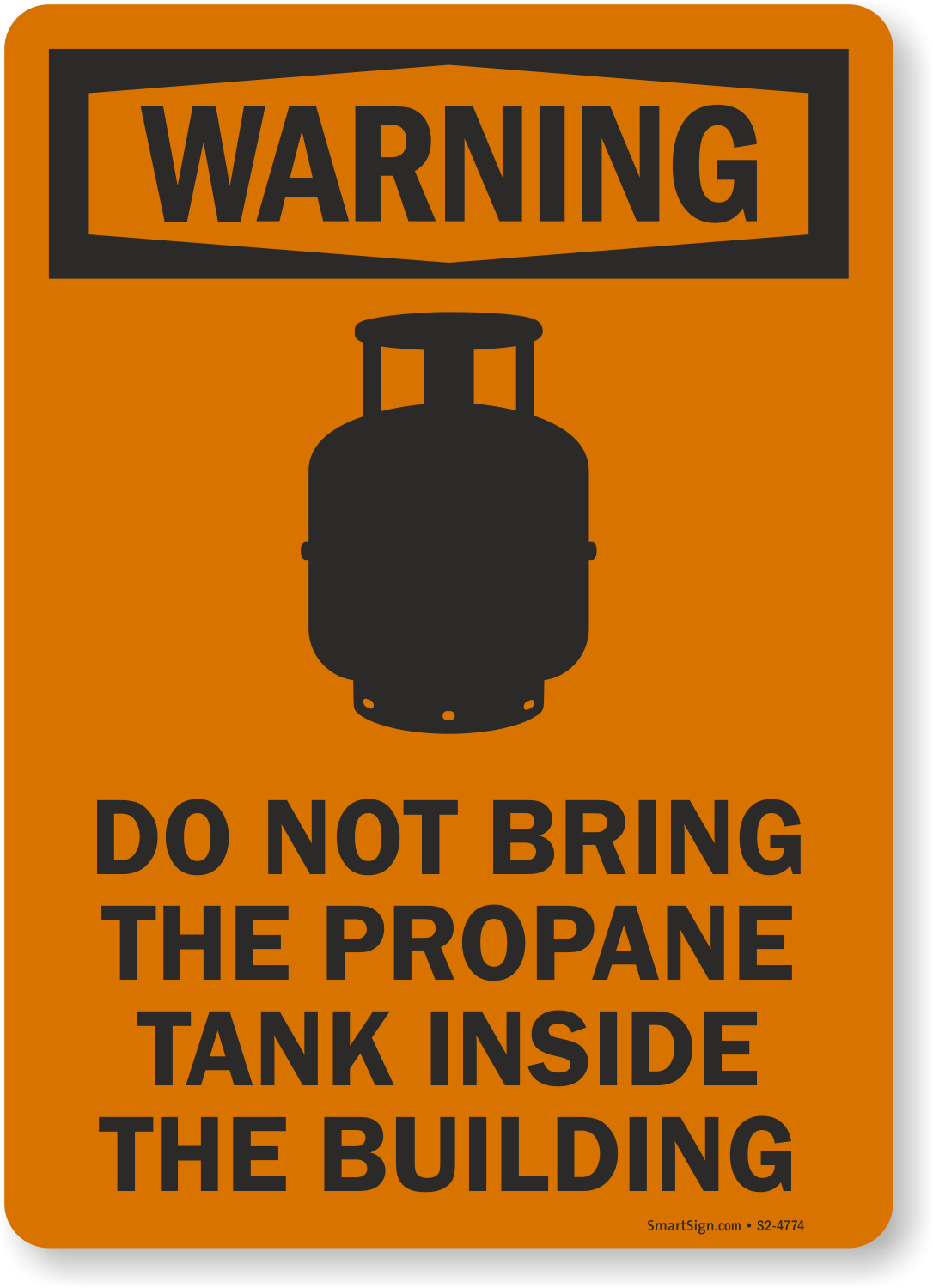
Propane Models: Never Safe Indoors
Never operate propane patio heaters in your garage—period. These units produce CO levels exceeding safe limits within 10 minutes, even with the door open. The propane tank itself violates safety protocols: storage regulations mandate outdoor placement in ventilated areas away from sunlight. Attempting indoor use risks asphyxiation from oxygen depletion and CO poisoning. Fire marshals universally cite propane patio heaters in garages as a top cause of preventable fatalities, with zero exceptions for “quick warm-ups.” Your insurance will deny claims from such incidents, leaving you liable for medical costs or property damage.
Natural Gas Units: Fixed Installation Problems
Natural gas patio heaters pose identical CO hazards but add critical infrastructure dangers. Hardwired to your home’s gas line, they require professional venting impossible to retrofit in garages. Building codes explicitly prohibit their indoor use due to documented explosion risks from undetected leaks. Unlike outdoor installations where leaks dissipate, garages concentrate gas near ignition sources like water heaters or car engines. Local inspectors routinely cite homeowners for this violation, mandating immediate removal and potential fines up to $1,000.
Electric Patio Heaters: Temporary Option Only
When Electric Models Work
Electric patio heaters are the only type with potential for garage use since they produce zero CO. However, they’re strictly a short-term fix for well-prepared spaces. These units typically draw 1,500+ watts—demanding a dedicated circuit your garage may lack. If your electrical panel has spare capacity and outlets are grounded, you might use one for brief projects. But never rely on them for daily heating; their outdoor design lacks critical indoor safety features like tip-over shutoffs. Always treat electric patio heaters as emergency backups, not permanent solutions.
Critical Safety Checks Before Use
Before plugging in an electric patio heater:
– Verify circuit capacity—hire an electrician to confirm your garage can handle sustained 1,500W loads
– Maintain 3-foot clearance from walls, tools, and stored items (measure with a tape, don’t guess)
– Place on stable concrete—never on wooden workbenches or flammable mats
– Avoid extension cords—if unavoidable, use only 14-gauge cords rated for outdoor heaters
– Install CO detectors immediately—even “safe” electric heaters warrant monitoring near attached garages
Garage-Specific Heating Solutions

Electric Space Heaters: Purpose-Built Safety
Ditch the patio heater for indoor-rated electric space heaters with automatic safety shutoffs. These units feature tip-over protection, overheat sensors, and cool-touch exteriors—critical for cluttered garages. Unlike patio models, they’re engineered to operate safely within enclosed spaces without ventilation concerns. Look for ETL or UL certification specifically listing “indoor/garage use,” and prioritize ceramic heating elements for faster, more efficient warmth. Expect to pay $50-$150 more than patio heaters, but this investment prevents $500,000+ liability claims from accidents.
Infrared Heaters: Efficient Directional Heat
Infrared heaters deliver targeted warmth by heating objects—not air—making them ideal for drafty garages. They eliminate the “cold feet” problem of forced-air systems and use 30-50% less energy by warming your body and tools directly. Garage-specific models like Dr. Infrared come with wall-mount kits to save floor space and operate silently. Since they produce no emissions, they’re safe for enclosed use and won’t dry out wood projects. For workshops, position them 6-8 feet above workbenches to create a “heat umbrella” over your activity zone.
Permanent Installation Options
For year-round comfort, consider these professional solutions:
– Radiant ceiling panels: Discreetly installed above work areas, they provide consistent heat without tripping hazards
– Ductless mini-splits: Offer heating and cooling with zoned control (ideal for 2-car garages)
– Forced-air electric heaters: Whole-garage warmth via wall-mounted units with adjustable thermostats
All require professional installation but deliver 24/7 reliability. Mini-splits typically cost $3,000-$5,000 installed but qualify for energy tax credits, while radiant panels run $800-$1,200 for a single-car garage.
Legal and Insurance Implications
Building Code Violations
Local fire codes universally prohibit outdoor heaters in enclosed structures. Inspectors routinely cite homeowners during routine checks, with violations triggering $500+ fines and mandatory heater removal. In some states like California, improper heater use voids building permits for attached garages. Always consult your municipal code enforcement office—most provide free pre-installation consultations to avoid costly mistakes. Never assume “my neighbor does it” makes it safe or legal.
Insurance Coverage Risks
Using patio heaters in garages is a surefire way to void your homeowner’s insurance. Claims examiners automatically deny fire or CO poisoning incidents involving prohibited heaters, leaving you personally liable for millions in damages. One Ohio homeowner recently lost $220,000 in property coverage after a propane heater ignited stored solvents. Before installing any heater, email your insurer for written confirmation of approved types. Document this approval—it’s your only defense against claim denials.
Emergency Response Procedures
Carbon Monoxide Exposure Protocol
If you suspect CO poisoning:
1. Evacuate immediately—don’t grab belongings or “turn off the heater”
2. Call 911 from outside—CO impairs judgment; never re-enter alone
3. Seek medical evaluation—even mild symptoms require blood tests
4. Install detectors before reoccupying—place within 5 feet of garage doors
Fire Response Steps
For garage fires:
– Small flames: Use a Class B/C fire extinguisher only if escape route is clear
– Spreading fire: Evacuate immediately—garage fires reach 1,000°F in 60 seconds
– After extinguishing: Ventilate the space for 2 hours before re-entry
– Always call fire department—hidden embers reignite 47% of “extinguished” garage fires
Professional Installation Guidelines
When to Call Experts
DIY is limited to plug-in electric space heaters only. Call licensed professionals for:
– Any hardwired electrical connections (even 120V units)
– Permanent infrared or radiant panel installations
– Ductless mini-split systems requiring refrigerant handling
– Electrical panel upgrades for high-wattage heaters
A certified electrician should assess your garage’s load capacity first—most older homes need 240V circuits for reliable heating. Expect $150-$300 for this consultation, which prevents $2,000+ fire damage from overloaded circuits.
Making the Right Choice
Immediate Action Plan
- Remove all gas patio heaters from your garage today—store propane tanks outdoors
- Install battery-operated CO detectors within 10 feet of garage entrances
- Test electrical capacity with an electrician before buying any heater
- Research garage-rated units using UL’s online certification database
- Email your insurer for approved heater models before purchasing
Long-Term Safety Strategy
Invest in purpose-built garage heating like infrared panels or mini-splits. While patio heaters cost $100-$200, garage-specific systems range $500-$5,000—but prevent $50,000+ in potential medical bills or insurance deductibles. Prioritize models with automatic shutoffs and garage certifications. Remember: no project deadline justifies risking your family’s lives. That temporary warmth isn’t worth a hospital visit or worse.
Bottom line: Patio heaters belong exclusively outdoors. Gas models create lethal CO traps in garages, while electric versions are risky stopgaps. Your safety demands heaters engineered for enclosed spaces—period. Choose certified garage solutions that keep your workspace warm without compromising what matters most: your family’s well-being. Take action today; your future self will thank you when winter’s chill hits.
