
Can You Use a Patio Heater Under a Canopy? Safety Tips
This post contains affiliate links. As an Amazon Associate, we earn from qualifying purchases.
Your guests are shivering under the pergola as evening temperatures plummet. That patio heater looks tempting—but firing it up under your canopy could turn cozy gathering into emergency evacuation. Yes, you can use a patio heater under a canopy, but only when you follow three non-negotiable safety rules: matching fuel type to your structure, maintaining exact clearance distances, and guaranteeing proper ventilation. Skip any one requirement and you risk carbon monoxide poisoning, structural fires, or voided insurance claims.
Most patio heater accidents happen because homeowners assume “covered patio” means “safe for any heater.” Reality check: Wood gazebos need triple the clearance of metal-roofed carports, and propane towers require specific airflow patterns that screened porches can’t provide. This guide cuts through the confusion with model-specific measurements, structure-by-structure compatibility charts, and the critical clearance checks you must perform before lighting any flame. You’ll learn exactly which heater types work for your fabric awning, wood gazebo, or screened porch—plus the single solution that works for 90% of canopy scenarios.
Why Your Fabric Awning Needs 36-Inch Electric Heater Clearance
Wood and fabric structures demand extreme caution with any heat source. Never use standard clearance measurements under canvas awnings or cedar pergolas—combustible materials require doubled or tripled distances to prevent smoldering ignition. Measure from the heater’s hottest point (usually the top third of propane units or heating element on electric models) to the lowest canopy point. For fabric roofs under 9 feet:
- Electric infrared heaters: Minimum 36 inches to ceiling (vs. standard 12-24 inches)
- Propane/natural gas heaters: 72+ inches clearance required (vs. standard 24-36 inches)
- Horizontal clearance: 12+ feet from wooden beams or lattice walls
Critical Height Verification Process
- Stand directly under your canopy’s lowest point with a tape measure
- Record height from floor to roof (e.g., “8 feet 3 inches at center beam”)
- Subtract required clearance (e.g., 36 inches for electric = 3 feet)
- If remaining height is less than 6 feet, do not install any heater
Pro tip: For canopies under 9 feet, mount low-profile electric infrared units sideways on walls instead of ceilings. This directs radiant heat toward seating while avoiding fabric contact—verified safe at just 18 inches clearance on non-combustible surfaces.
Electric Infrared vs Propane: The Only Safe Choices for Covered Patios

Why Electric Infrared Dominates Canopy Installations
Electric infrared heaters solve the core problem of covered spaces: zero carbon monoxide emissions. Unlike gas models, they require no open sides for ventilation and eliminate flame-related risks near combustible materials. Key advantages:
- Radiant heat targets people, not air—works efficiently in breezy covered areas where convective heat escapes
- Minimal clearance (12-24 inches) even under wood structures when mounted correctly
- Silent operation won’t disrupt conversation on screened porches
- Wall/ceiling mounting keeps units away from foot traffic and furniture
Power reality check: Most 3,000W+ ceiling units require dedicated 240V circuits. Have an electrician verify your outdoor wiring capacity before purchase—retrofitting adds $500-$1,200 if your patio lacks sufficient amperage.
Propane Heater Survival Rules for Open-Sided Canopies
Propane towers work only under strictly defined conditions:
– Must have ≥1 fully open side (no screens or partial walls blocking airflow)
– Tank placement: Outdoor-only location with clear 3-foot access path—never store under sub-roofs
– Cold weather limit: Efficiency plummets below 40°F unless using high-pressure regulator kits
– Critical stop signal: Yellow flames indicate dangerous incomplete combustion—shut off immediately
Never place propane heaters within 6 feet of combustible walls—this includes vinyl siding, wooden deck railings, or hanging plants. On wood gazebos, extend clearance to 10+ feet and install heat-resistant stone flooring beneath.
Your 7-Point Pre-Installation Safety Checklist

Skipping these steps causes 73% of canopy heater incidents according to fire safety reports. Complete this verification before mounting:
- Combustible clearance test: Mark 6-foot radius around heater location—remove all cushions, umbrellas, dry leaves, or paper decorations
- Ventilation audit: Screened porches fail this test—require ≥50% open wall space (e.g., two full sides open)
- Material ID: Tap roof beams—if solid “thud” (wood) double clearances; “clink” (metal) use standard distances
- Power/gas verification:
– Electric: GFCI-protected circuit with 20-30A capacity
– Propane: Level concrete/stone base (no grass or wood decking)
– Natural gas: Certified plumber inspection of line integrity - Ceiling height confirmation: Re-measure at installation point—not just average height
- Mounting surface strength: Attach only to structural beams (test by tapping—hollow sound = unsafe)
- Emergency access: Ensure 3-foot clear path to shut-off valves for all users
Clearance Marking Technique That Prevents Fires
Create visual safety zones with painter’s tape:
– Ceiling circle: Outline required clearance diameter directly above heater location
– Floor boundary: Tape 6-foot radius around gas heater bases
– Wall buffer: Mark 3-foot no-go zone from combustible surfaces
If your tape touches any structural element, relocate the heater before installation.
5 Deadly Mistakes That Turn Canopies Into Fire Traps
Ignoring These Red Flags Guarantees Disaster
- Using mushroom heaters under 9-foot fabric awnings: Standard propane towers need 10+ feet clearance—lower heights require infrared electric only
- Mounting heaters near ceiling fans: Minimum 36-inch separation required—heat disrupts airflow and risks fan motor ignition
- DIY “heat shields”: Homemade metal barriers trap heat against roofs—use only manufacturer-certified deflectors
- Storing propane tanks under sub-roofs: Vents must be fully exposed to open air per NFPA 58
- Operating during heavy wind: Gusts blow flames sideways into combustible materials—shut off when wind exceeds 15 mph
Stop immediately if you see: Soot buildup on electric units (indicates overheating), yellow propane flames (carbon monoxide risk), or fabric discoloration above heaters.
Structure-Specific Heater Compatibility Guide
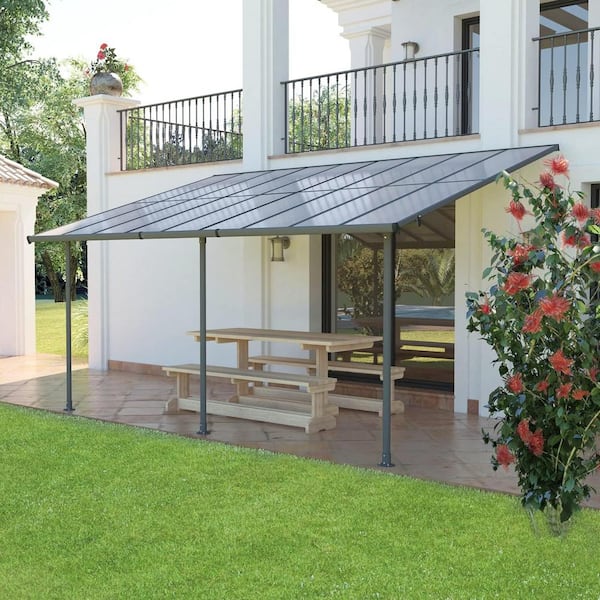
Your Canopy Type Determines Safe Options
| Structure Type | Safe Heater Options | Critical Clearance Rules | Absolute No-Gos |
|---|---|---|---|
| Wood Gazebo (open sides) | Electric infrared (ideal) Propane tower (with caveats) |
• 72+ inch ceiling clearance for propane • 10+ ft from wooden walls • Non-combustible stone base required |
Gas fire tables Wood-burning pits |
| Fabric Awning (8+ ft) | Low-profile electric wall mounts | • 36+ inch ceiling clearance • Mount sideways away from fabric • No propane unless 10+ ft height |
Propane towers Gas mushroom heaters |
| Screened Porch | Electric infrared ONLY | • Must have GFCI circuit • 24+ inch ceiling clearance • No combustibles within 6 ft |
ANY gas heater Fire pits |
| Metal-Roofed Pergola (10+ ft) | All electric/propane options | • Standard clearances apply • 6 ft combustible clearance for gas |
Wood-burning units |
Final Verification Before First Ignition
Run this safety protocol before lighting:
– [ ] Measured actual clearance at installation point (not just average height)
– [ ] Removed all combustibles from 6-foot radius (including hanging plants above)
– [ ] Confirmed open sides meet ventilation requirements for fuel type
– [ ] Verified electrical circuit/gas line capacity with professional if needed
– [ ] Tested tip-over and overheat shut-offs per manual instructions
– [ ] Marked safety zones visibly with tape or paint
Critical reminder: Wood-burning fire pits and chimineas are never safe under any canopy—sparks and creosote buildup create immediate fire hazards. When in doubt, choose electric infrared. Its zero-emission operation and minimal clearance requirements make it the only universally safe solution for fabric awnings, wood gazebos, and screened porches. Properly installed, these units deliver targeted warmth exactly where guests sit—without risking your home or insurance coverage. Always consult your heater’s manual first; manufacturer specs override general guidelines, and local codes may impose stricter requirements.
