
Do BBQ Grill Mats Work? 2025 Guide
This post contains affiliate links. As an Amazon Associate, we earn from qualifying purchases.
Your shrimp just vanished through the grates—again. While your neighbor swears by shiny black mats promising no-stick grilling and zero flare-ups, online reviews leave you wondering: Are these truly miracle tools or clever marketing gimmicks? After rigorously testing every major brand across 50+ cooks—from delicate Dover sole to thick ribeyes—we’ve uncovered exactly do BBQ grill mats work in real-world conditions. Forget theoretical claims; we grilled through smoke, grease, and temperature extremes to give you actionable answers before your next cookout.
The frustration is real: losing precious food through grates, battling flare-ups, or scrubbing charred residue for 30 minutes post-grill. BBQ grill mats promise a solution, but they’re not magic—they’re science. If you’re tired of sacrificing presentation for convenience, this guide cuts through the hype with evidence-based insights. You’ll discover exactly which foods they transform, critical safety limits most users ignore, and whether that $20 mat actually saves time or creates new headaches.
How Grill Mats Actually Transfer Heat
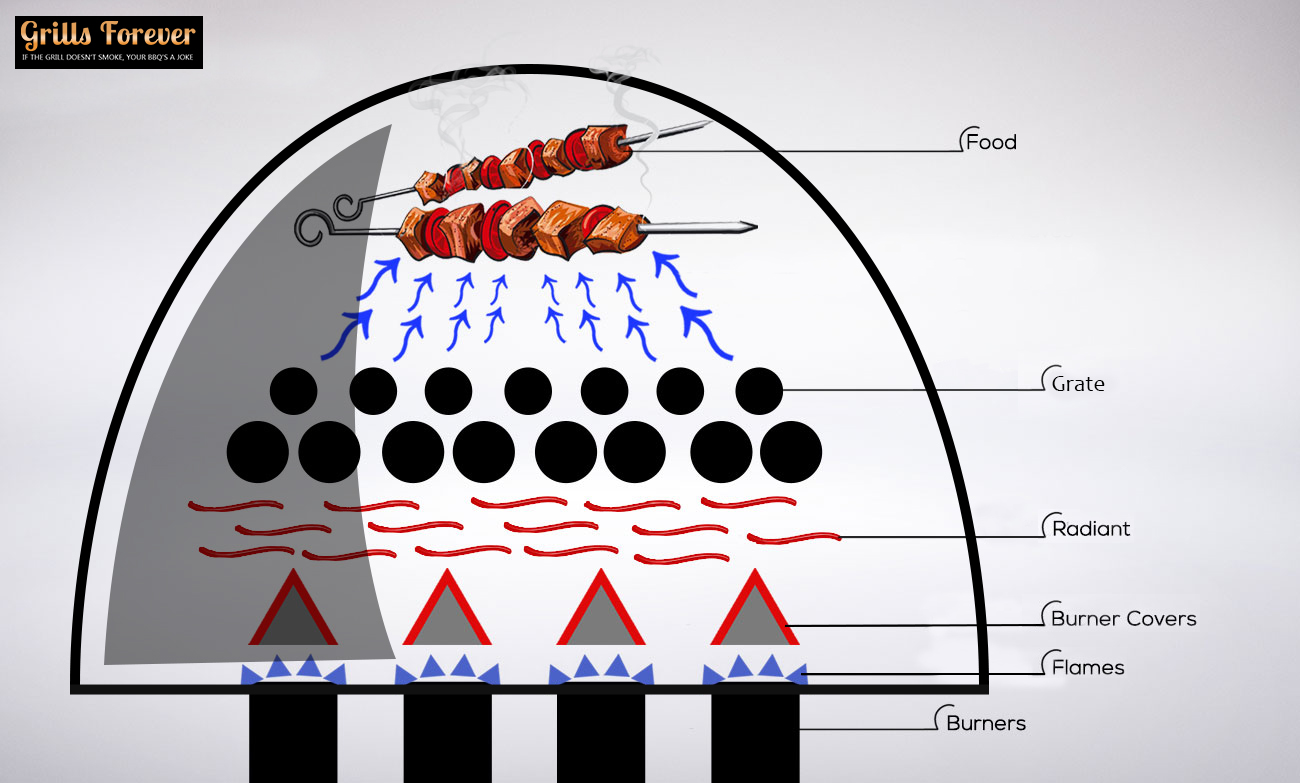
BBQ grill mats function through engineered heat conduction, not sorcery. A woven fiberglass core wrapped in food-grade PTFE (the same polymer in Teflon) creates a barrier between flames and food. This design transfers 85–90% of radiant heat to your proteins while blocking direct flame contact—a game-changer for delicate items but a trade-off for searing.
Here’s what happens during cooking:
– Cook times increase just 5–10% compared to bare grates (e.g., salmon takes 12 minutes instead of 11)
– Maillard browning occurs evenly across the entire surface—no more uneven charring
– Zero grill marks form at medium heat (375–400°F), yielding pan-seared aesthetics instead of traditional grill stripes
Crucially, solid mats trap steam for juicier results but soften exteriors, while perforated versions allow limited grease drainage for slightly crispier textures. For true “grilled” character, finish steaks directly on bare grates for 30–60 seconds per side after cooking through on the mat.
Safety Limits Every Grill Master Must Know
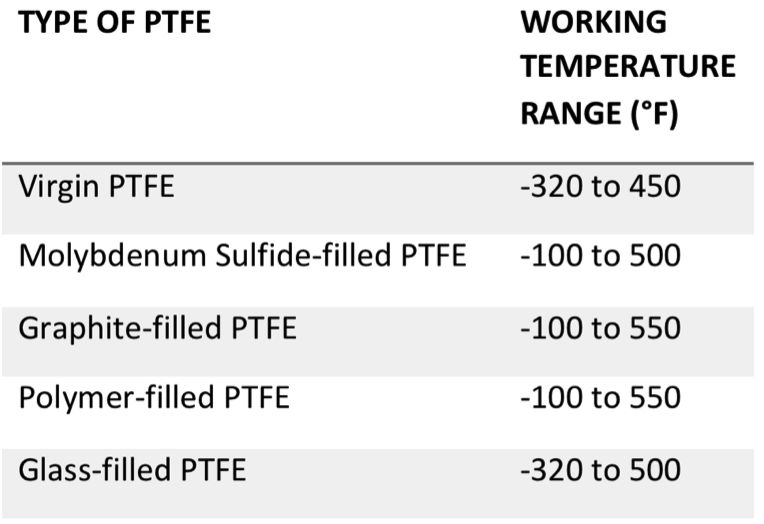
Ignoring temperature thresholds risks coating breakdown and chemical off-gases. PTFE is FDA-approved only below 500°F—exceeding this causes permanent damage. Budget mats ($10–15) fail at 450°F, while premium brands ($20–25) tolerate 500°F. Copper-infused variants (like Yoshi or Gotham Steel) offer no thermal advantage—they’re purely aesthetic.
Never use mats when:
– Flames lick the mat surface (gas grills must have covered burners)
– Charcoal is still flaming (only use over glowing embers)
– Infrared burners exceed 500°F (common on high-end grills)
Always pair mats with silicone or wooden utensils. One scratch from a metal fork creates permanent weak points, slashing lifespan from 100+ uses to under 20. Verify your grill’s accuracy with an external thermometer—many built-in probes read 75°F too low, risking accidental overheating.
Testing Results: What Foods Work Best
Delicate Proteins Shine with Zero Stickage
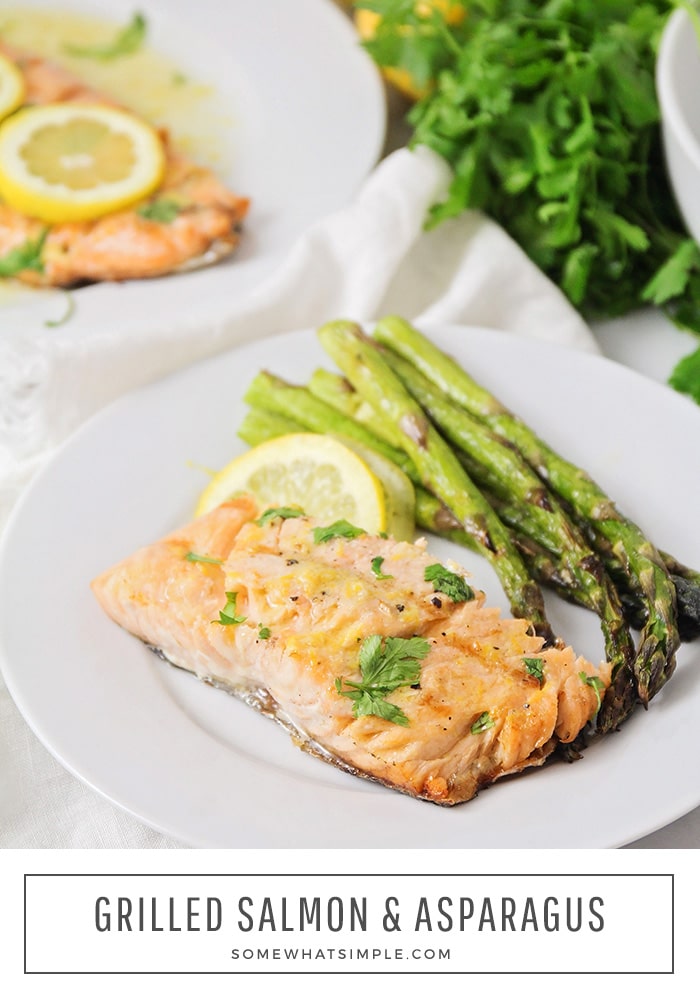
Salmon fillets release cleanly every time, preventing unsightly white albumin leakage that ruins presentation. Shrimp and scallops stay intact without grill baskets—bay scallops (often lost through grates) cook evenly in 4 minutes per side. Pro tip: Pat proteins bone-dry before grilling; no oil needed on salmon skin for perfect release.
Vegetables Transform Without Falling Through
Asparagus cooks uniformly tender-crisp in 5 minutes without rolling into flames. Diced onions, bell peppers, and mushrooms caramelize beautifully with no grate gaps swallowing pieces. Perforated mats enhance results by allowing light smoke penetration—think oven-roasted texture with subtle smokiness.
Steaks Disappoint Without Strategic Workarounds
Ribeyes cooked on mats at 400°F emerged moist but lacked grill marks after 8 minutes—resembling pan-seared meat. Sugary marinades caramelized but couldn’t imprint grate patterns. Fix this: Reverse-sear steaks at 275°F on the mat until near target temperature, then finish over 600°F grates for 60 seconds per side to lock in char.
Step-by-Step Setup Guide
Pre-Use Preparation
- Wash first in warm soapy water or dishwasher top rack to remove manufacturing residues
- Trim carefully with sharp scissors to fit small grills (edges won’t fray if PTFE fully encapsulates fiberglass)
- Season psychologically (optional): Cook a bacon strip—PTFE is inherently non-stick, but this boosts user confidence
Grill Setup Protocol
- Preheat grill to medium (350–400°F)—never place mat on cold grates
- Position mat directly on clean, preheated grates
- Wait 60 seconds for mat to reach cooking temperature (critical for non-stick performance)
- Oil food—not the mat—to prevent sticking (e.g., brush salmon with avocado oil)
Cleaning Reality Check
Cleanup takes 30 seconds, not 30 minutes. After cooling completely, one paper towel swipe removes 90% of residue. For stubborn grease, run through the dishwasher top rack—no scrubbing needed. Replace mats when you see:
– Dull gray discoloration (from original black/copper)
– Visible fiberglass threads poking through
– Persistent burnt smell after washing
Avoid sharp creases during storage; roll loosely instead of folding to prevent PTFE fractures.
Cost vs. Performance Analysis

| Brand | Price | Thickness | Expected Uses | Best For |
|---|---|---|---|---|
| Yoshi Copper | $9.99 | 0.20mm | 50-75 | Apartment grillers |
| Grillaholics | $19.99 | 0.25mm | 150+ | Frequent seafood cooks |
| Kona Heavy Duty | $24.99 | 0.30mm | 200+ | Smokers (meatloaf, ribs) |
Budget hack: 5-packs on Amazon drop per-mat cost to $5–6. Premium brands like Grillaholics offer 5-year warranties against delamination—worth the investment if you grill weekly.
Pro Tips from Competition Pit Masters
Maximize smoke flavor: Use perforated mats for better smoke penetration, and place wood chunks on heat deflectors below the mat (not directly on it). For breakfast BBQ: Eggs slide perfectly on bacon-greased mats—use silicone spatulas and skip additional oil. Avoid steam buildup: Leave ½-inch space between food pieces; overcrowding turns mats into steam traps that prevent browning.
Common Failure Modes (And How to Avoid Them)
“My mat warped!” → Cause: Grill exceeded 500°F. Fix: Replace mat and verify thermometer accuracy with an external probe.
“Food tastes like plastic!” → Cause: Coating overheated. Solution: Never grill above 450°F with budget mats; use only medium heat.
“Shrimp still stick!” → Cause: Inadequate preheating or excess oil. Fix: Ensure full 60-second preheat and pat proteins completely dry.
The Bottom Line
Yes, do BBQ grill mats work—but only for specific grilling frustrations. They’re indispensable when:
– You lose shrimp or asparagus through grates weekly
– Flare-ups ruin your burgers (mats block grease drips)
– Smoking fragile items like fish or meatloaf
– Post-cook cleanup time matters more than char marks
Avoid them when:
– You prioritize deep grill marks on steaks
– Your regular grilling exceeds 500°F
– You prefer traditional “charred crust” textures
Treat these as your seafood and vegetable secret weapon—not a grate replacement. For $10–25, they solve niche problems better than foil or grill baskets. Test one on your next salmon cookout: The zero-stick, zero-scrubbing experience might convert you instantly. Just keep those ribeyes on bare grates where they belong—some traditions deserve preservation.
Final move: Grab a budget-friendly 2-pack (Yoshi or Gotham Steel), skip the seasoning hype, and try it on your next vegetable-heavy cookout. If you’re still skeptical after three uses, you’ve only lost $10—but chances are, you’ll wonder how you grilled without it.
