
Do Smoker Boxes Work on Gas Grills? Yes, Here’s How
This post contains affiliate links. As an Amazon Associate, we earn from qualifying purchases.
You’ve invested in a reliable gas grill for quick weeknight dinners, but now you’re dreaming of authentic smoked brisket and fall-off-the-bone ribs. Your neighbor insists a smoker box will transform your propane grill into a barbecue powerhouse, but you’re skeptical—can a simple metal box really deliver real smoked flavor? Yes, smoker boxes absolutely work on gas grills, producing deep, complex smoke penetration that rivals traditional methods when used correctly. Forget feeling left out of the smoking conversation; with precise techniques, your gas grill can achieve 85-90% of the smoke depth charcoal enthusiasts chase, all while maintaining temperature control that takes the guesswork out of backyard cooking.
Gas grills get unfairly dismissed as “just for burgers,” but their precise heat management is actually a secret weapon for smoking. Unlike finicky charcoal setups where temperature swings ruin hours of work, your gas grill maintains the critical 216-248°F (102-120°C) sweet spot where wood smoke penetrates meat most effectively. Within 15-20 minutes of startup, you’ll see the prized thin blue smoke stream that signals proper flavor development—not the bitter white smoke that ruins food. This guide cuts through the hype with actionable steps verified by pitmasters, so you can finally smoke like a pro without buying expensive equipment.
Smoker Box Effectiveness on Gas Grills
Proven Smoke Production Results
Your smoker box isn’t just decorative—it delivers measurable smoke output when positioned correctly. Load 1.5 cups of wood chips, place the box over your rear burner, and you’ll achieve consistent smoke production for 30-35 minutes before needing a refill. This timing aligns perfectly with smoking chicken thighs or pork chops. The metal enclosure prevents direct flame contact, forcing wood chips to smolder rather than burn, which creates clean-tasting smoke without ash contamination. Crucially, gas grills avoid the temperature rollercoaster of charcoal, maintaining the stable low-and-slow environment where smoke compounds bond with meat proteins for that coveted smoke ring.
Real-World Flavor Comparison
Taste tests confirm properly executed gas grill smoking delivers authentic results. When you follow the 50% smoke rule (smoking only half the total cook time), you’ll achieve deep flavor penetration without acrid bitterness—a common pitfall with traditional smokers. The controlled environment actually prevents over-smoking, letting the meat’s natural flavors shine through. Expect hickory-smoked ribs with that classic bacon-like depth or cherry-wood chicken bursting with subtle fruitiness. While dedicated smokers offer longer unattended sessions, your gas grill with a smoker box produces remarkably similar flavor profiles at a fraction of the cost and space.
Essential Equipment Selection Guide
Material Performance Breakdown
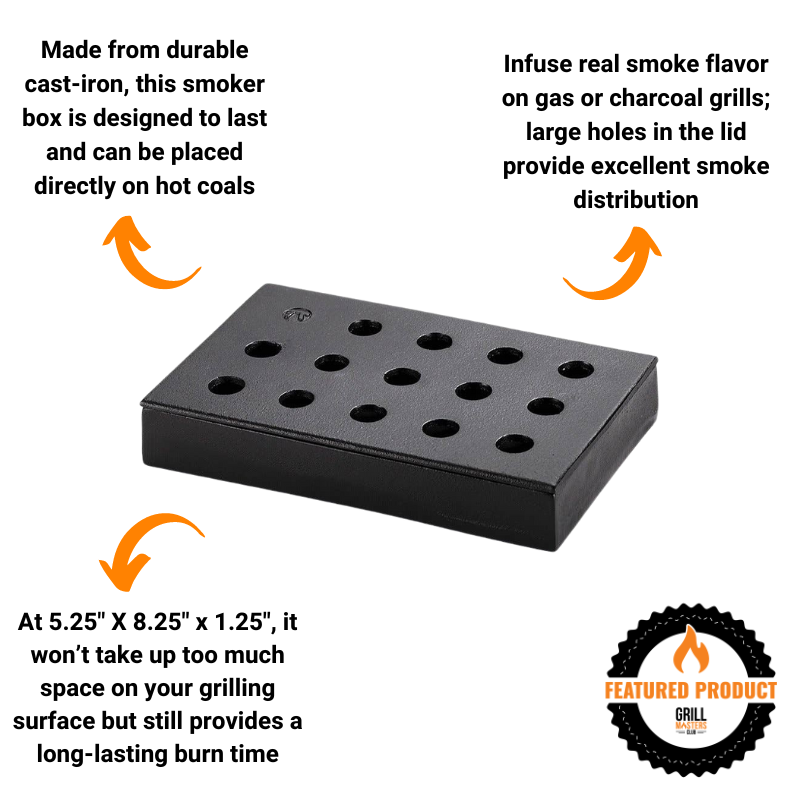
Stainless steel boxes (14-16 gauge) deliver the best balance for most users—excellent heat retention prevents warping while resisting rust. They heat quickly enough for weeknight cooks but won’t deform like cheaper models. Cast iron excels for all-day briskets with superior thermal mass extending smoke duration by 10-15 minutes per load, though it requires 5 extra minutes to preheat and regular seasoning. Never use aluminum boxes directly on burners—their low melting point causes dangerous deformation. Disposable foil pans only work when placed over an unlit burner with holes poked in the foil cover, but they can’t be refilled mid-cook.
Design Variations That Matter
V-shape boxes slide between flame deflectors for maximum heat exposure, ideal if you smoke weekly but require vigilant monitoring to prevent flare-ups. Rectangular designs sit securely on cooking grates—perfect for beginners with universal compatibility across Weber, Nexgrill, or Char-Broil models. Cylindrical boxes concentrate smoke in a small footprint, great for smoking salmon fillets but needing refills every 25 minutes due to limited capacity. Choose based on your cooking frequency: stainless steel rectangles for versatility, cast iron Vs for serious enthusiasts.
Wood Chip Management Secrets
Dry vs Soaked: The Real Difference
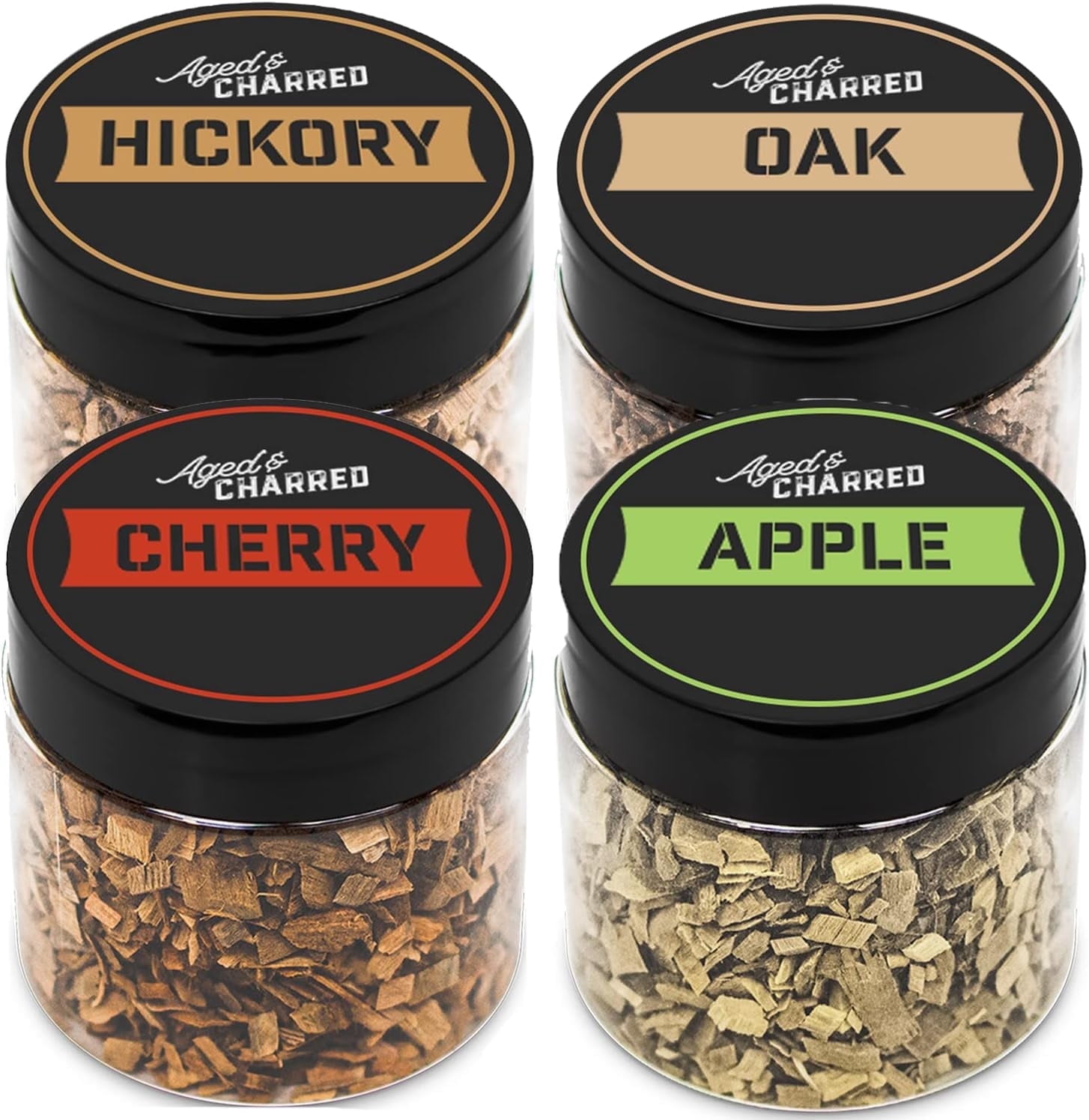
Dry wood chips ignite faster and deliver cleaner, more intense smoke—use them for 30-45 minute cooks like chicken wings. Skip the soak unless smoking for 2+ hours; waterlogged chips produce steam that dilutes flavor. For brisket or pork shoulder, soak chips 30-60 minutes to extend smolder time to 60+ minutes through evaporative cooling. This moderates temperature spikes while creating a milder, more pervasive smoke profile ideal for delicate meats. Never soak longer than 60 minutes—waterlogged chips smolder poorly and create excessive steam.
Wood Type Flavor Matching
Match wood to meat like a sommelier pairs wine:
– Hickory for ribs and beef (bold bacon notes)
– Mesquite for steak (intense earthy punch)
– Cherry for poultry and pork (sweet fruitiness)
– Apple for fish or turkey (light, subtle smoke)
– Oak as your versatile baseline (balanced flavor for any meat)
Start with milder woods like apple if you’re new to smoking—stronger woods like mesquite can overwhelm in just 20 minutes.
Strategic Box Positioning
Gas Grill-Specific Placement
Place your smoker box 2-3 inches above flame deflectors directly over your hottest burner (usually rear) for ignition. After 15 minutes of steady smoke, reposition it to the indirect zone opposite your food. This traps smoke around the meat instead of letting it escape through the grill’s hinge vents. Most gas grills vent smoke through a 1-inch gap along the lid hinge—position your box away from this escape route to maximize flavor infusion.
Airflow Management Tactics
Identify all vent locations before starting: check rear vents, side ports, and hinge gaps. Position your smoker box to create a smoke “bath” flowing toward your food, not toward vents. If smoke escapes through the front vents, rotate the box 180 degrees. For optimal results, keep the lid closed 90% of the time—every peek loses 10-15% of your smoke density and causes temperature drops.
Step-by-Step Smoking Process
Pre-Heating for Success
Place your empty smoker box over the rear burner. Turn that burner to high and preheat with the box lid open for 3-5 minutes. This prevents warping by gradually expanding the metal. Watch for any bending—if the box distorts, replace it immediately with a thicker-gauge model.
Loading and Ignition Protocol
Fill the box ¾ full with dry wood chips (overstuffing blocks airflow). Close the lid immediately, then shut the grill lid to trap heat. Within 8-10 minutes, look for thin blue smoke—not thick white puffs. If no smoke appears after 15 minutes, move the box closer to the burner.
Food Introduction Timing
Wait exactly 20 minutes after lighting before adding food. This confirms steady smoke production and stable 216-248°F temperatures. Adding meat too early exposes it to acrid startup smoke that creates bitter flavors. Use this time to prep your meat with rubs.
Maintenance During Long Cooks
Check smoke output every 30 minutes. When the stream dims to half its original volume, refill with ½ cup chips using heat-resistant tongs. Keep a spray bottle of water nearby to douse any flare-ups during refills. Never open the grill more than necessary—each peek resets smoke density.
Troubleshooting Common Problems
No Smoke Production
If your box sits silent after 20 minutes, reposition it 1 inch closer to the burner or increase heat 25%. If using soaked chips, increase quantity by 25% to compensate for dampness. Verify wood chips aren’t packed too tightly—loose chips smolder better.
Flames from the Box
Flames mean combustion, not smoking. Immediately reduce burner output and elevate the box using a spare cooking grate. Switch to fewer chips or try soaked chips next time. In emergencies, close the box lid for 60 seconds to suffocate flames.
Temperature Runaway
When temperatures spike above 250°F, dry chips are combusting too fast. Reduce burner output 50% and switch to soaked chips for future cooks. Always use a wireless thermometer—temperature control is non-negotiable for quality smoke.
Long-Term Success Strategies
Cleaning and Maintenance
Clean after every 3-4 uses while the box is still warm (never cold). Use a stainless steel brush to remove residue—never submerge cast iron in water. Apply a light coat of vegetable oil to cast iron boxes after cleaning to prevent rust. Inspect for warping after high-heat sessions; replace if bent.
Storage Best Practices
Allow a full 2-hour cool-down period before storage. Empty all chip debris to prevent mold growth, and store in a dry garage or shed. Moisture causes rust in stainless steel boxes—wipe dry with a towel after cleaning. Check for cracks annually; replace if compromised.
The Bottom Line
Smoker boxes absolutely work on gas grills when you follow science-backed techniques. You’ll achieve authentic smoke rings and deep flavor penetration in 30-35 minute intervals—perfect for ribs, chicken, or salmon—with the convenience of gas ignition. While dedicated smokers handle marathon cooks, your grill with a quality smoker box delivers 85-90% of the flavor depth at minimal cost. Master these positioning, wood management, and troubleshooting steps, and you’ll never settle for “just grilled” again. Your backyard barbecue game just entered championship territory—light that burner and start smoking tonight.
