
Grill Knob Won’t Turn: Quick Fix Tips
This post contains affiliate links. As an Amazon Associate, we earn from qualifying purchases.
You’re ready to fire up the grill for a weekend barbecue, but the control knob won’t budge. Whether it’s completely frozen or stuck in one position, this common problem can turn your cookout into a disaster. The good news? Most stuck grill knobs can be freed with the right techniques and a little patience—without calling a repair technician.
This guide walks you through proven methods to diagnose, fix, and prevent frozen grill knobs. You’ll learn safe removal techniques that won’t damage your valve stem, cleaning solutions that dissolve years of grease buildup, and critical maintenance habits that keep knobs turning smoothly season after season. When your grill knob won’t turn, these field-tested strategies get you back to cooking in under 30 minutes.
Why Your Grill Knob Won’t Turn: 4 Common Causes
Heat cycling is the silent killer of grill knobs. Every time you fire up your grill, metal components expand from 200°F to over 500°F, then contract when cooling. This constant movement creates microscopic gaps where debris infiltrates. Over time, corrosion attacks the valve stem—especially where the knob connects—forming rust bonds as strong as welds.
Grease and sauces from cooking drip down through faceplate vents, creating sticky deposits that glue the mechanism in place. Rib mopping sauce is particularly problematic on newer models like Weber Summit grills with vented faceplates. Combine this with years of neglected maintenance, and your knob becomes permanently fused.
Critical Warning Signs Before Total Failure
Don’t wait until your grill knob won’t turn completely. Watch for these early red flags:
– Gritty resistance when rotating the knob (like turning a rusty bolt)
– Slow return speed after pressing the ignition button
– Visible rust trails around the knob base during cleaning
– Increased force required each time you adjust burner settings
– Clicking or grinding sounds during operation
Ignoring these signs risks snapping the valve stem during removal—forcing a full valve replacement that costs 5x more than preventive maintenance.
Safety First: Gas Shut-Off Protocol You Must Follow
Shut off your gas supply completely before touching any components. Locate the main shut-off valve where the gas line connects to your grill (usually a quarter-turn valve at the tank base). Turn it clockwise until fully closed—never skip this step. Residual gas in lines can ignite from static electricity during knob removal.
Evacuate residual gas by opening all burner valves for 2-3 minutes. This clears dangerous gas pockets from the manifold. Wait 5 minutes after closing valves before starting work—propane vapors linger longer than you think. Keep a fire extinguisher within arm’s reach throughout the process.
Verify Gas Is Fully Isolated
After evacuation, attempt to light one burner. No ignition means your system is safe. If you smell gas or hear hissing:
1. Immediately retreat to a safe distance
2. Call your gas provider from outside
3. Do NOT operate electrical switches
This simple test prevents 90% of DIY grill repair accidents.
Quick Visual Inspection Before Removal
Examine the stuck knob area with a flashlight before applying force. Look for sauce trails around the knob base—dark, sticky residue indicates sauce infiltration through faceplate vents. Check adjacent knobs: If multiple knobs are frozen, you’re dealing with systemic contamination rather than isolated failure.
Test valve stem mobility by removing a working knob from another burner. Insert your finger into the empty sleeve and rotate the stem. If it turns smoothly, your problem is knob-specific. If frozen, the valve mechanism itself has failed—requiring replacement.
Diagnose Your Failure Type
| Failure Type | How to Identify | Solution Difficulty |
|---|---|---|
| Knob-only seizure | Stem turns when knob removed | ★☆☆ (Easy) |
| Valve stem corrosion | Stem frozen without knob | ★★☆ (Moderate) |
| Complete valve failure | Gas flow uncontrolled after cleaning | ★★★ (Hard) |
This 2-minute diagnosis prevents wasted effort on unsolvable issues.
How to Fix a Grill Knob Won’t Turn: Removal Techniques
Wiggle and Pull Method (5-Minute Fix)
Hold the manifold steady from underneath with your left hand (place a towel over sharp edges). Grasp the knob firmly and pull upward while wiggling side-to-side in 1/8-inch increments. Apply steady pressure for 10 seconds—never jerk or yank. Most moderately stuck knobs release within 3 minutes using this technique. If you hear cracking sounds, stop immediately—this indicates valve stem damage.
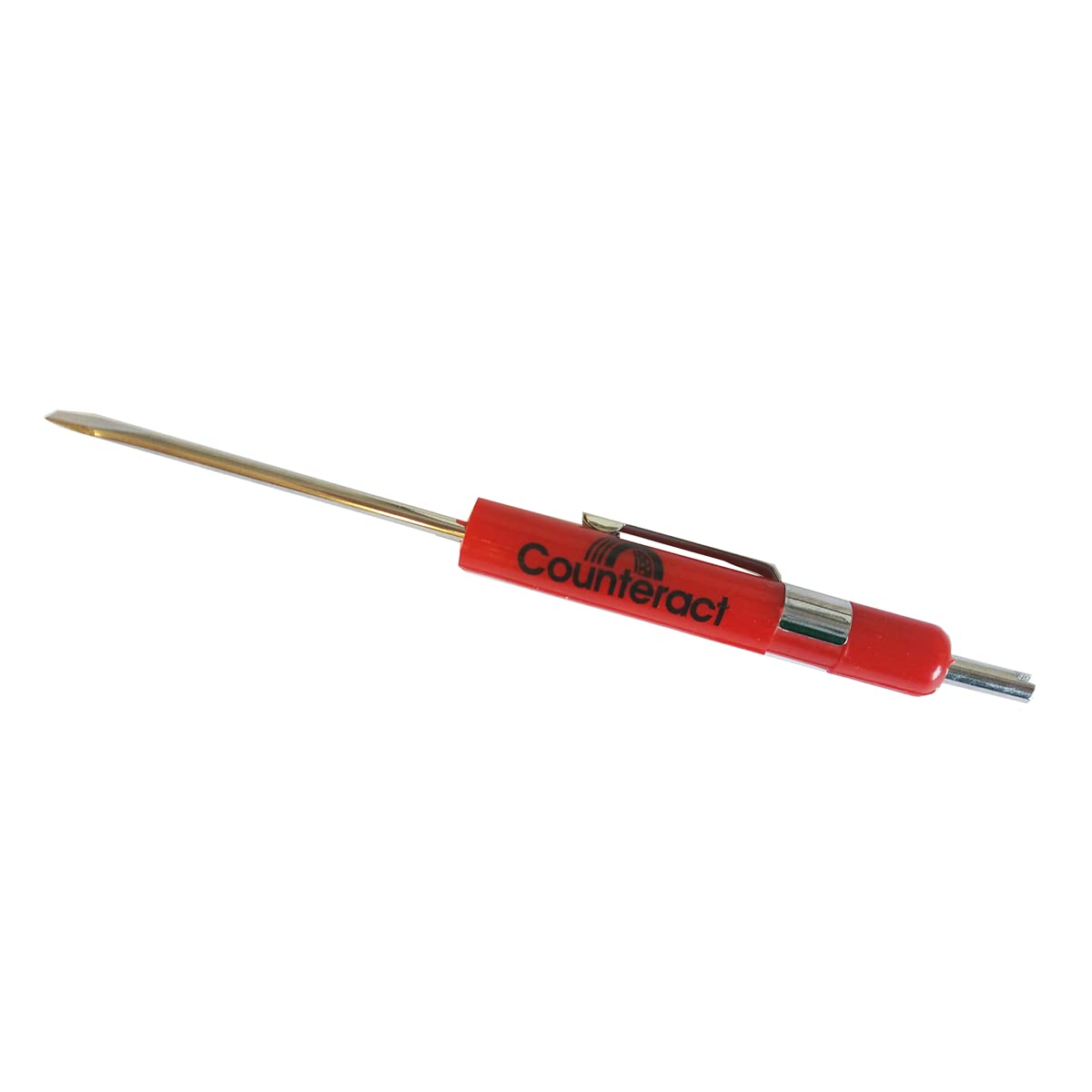
Single Screwdriver Leverage (For Stubborn Knobs)
Place a folded microfiber cloth over the grill faceplate to prevent scratches. Insert a 3/16″ flathead screwdriver between knob base and faceplate. Apply upward pressure at 45-degree angles while simultaneously pulling the knob. Work clockwise around the knob perimeter, repositioning the screwdriver every 30 seconds. Critical: Keep pressure straight upward—angled force bends valve stems.
Dual Screwdriver Technique (Best for Weber Silver B Models)
Position two screwdrivers opposite each other beneath the knob. Apply even upward pressure while maintaining the wiggle-pull motion. This balanced approach prevents the valve stem bending that plagues older Weber Silver B models. Success tip: Tap screwdriver handles gently with a rubber mallet to create micro-vibrations that break corrosion bonds.
Post-Removal Cleaning Process
Degrease the Valve Stem (15-Minute Deep Clean)
Spray food-safe citrus degreaser directly onto the valve stem and knob interior. Let it penetrate for 8-10 minutes—never use oven cleaner (it damages rubber seals). Scrub with a brass-bristle brush (softer than steel to avoid scratching) focusing on the hex-shaped stem section. Rinse with compressed air or a damp cloth, then dry completely with a hairdryer on low heat. Moisture left in crevices causes instant re-corrosion.
Valve Deep Clean (Only If Serviceable)
Remove the valve assembly by unscrewing the mounting nut (usually 7/16″ socket). On older models, attempt to remove the top cap with needle-nose pliers. If successful, clean internal components with degreaser and replace worn O-rings. Warning: Most modern valves (like Weber’s current models) are non-serviceable—if parts don’t come apart easily, replacement is your only option.
Lubrication and Prevention
Apply Lithium Grease Properly
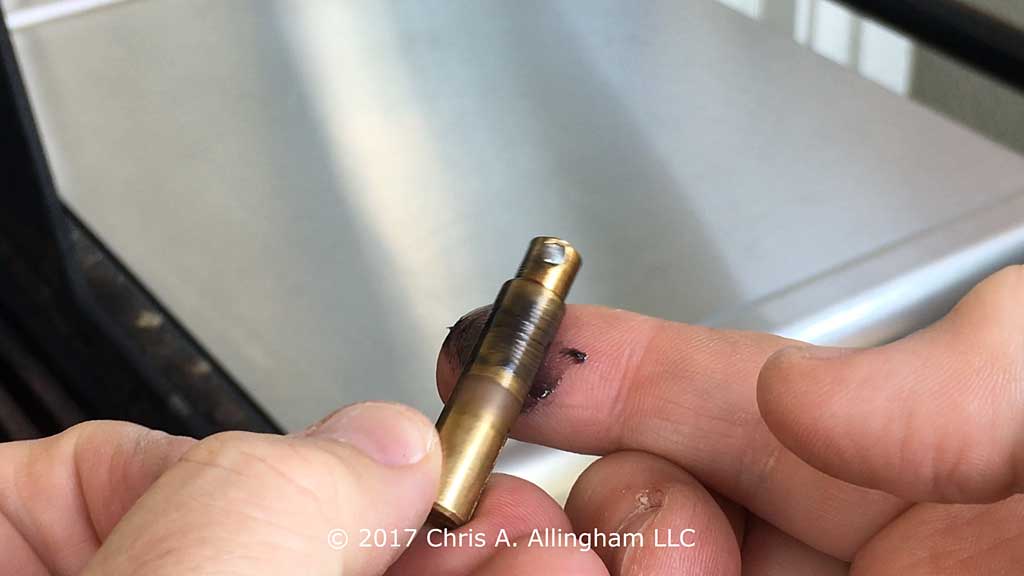
Coat the knob sleeve interior with a pea-sized amount of food-grade lithium grease—never use WD-40 (it attracts dust and degrades rubber). Rotate the knob while applying to ensure even coverage. Critical: Wipe excess grease from external surfaces—residue attracts grease and debris. This simple step makes future removal 80% easier.
Create a Maintenance Schedule
Mark your calendar for knob removal every 6 months during grilling season. Monthly quick checks: Remove knobs during deep cleaning to inspect for early corrosion. Seasonal protection: Install silicone knob covers during rib-mopping sessions on Summit models to block sauce infiltration.
When a Grill Knob Won’t Turn Means Valve Replacement
Replacement Red Flags
Replace immediately if you see:
– Cracks in the valve body casting
– Gas leakage around the stem after cleaning
– Rounded valve stem edges from previous removal attempts
– Zero rotation after thorough cleaning
Never operate a grill with a damaged valve—gas leaks can cause explosive ignition.
Replacement Process (30-Minute Job)
- Order the exact valve using your grill’s model number (e.g., Weber part #7534 for Spirit II)
- Shut off gas and evacuate lines (as in Safety Protocol section)
- Remove old valve by disconnecting gas line and unscrewing mounting nut
- Install new valve with fresh thread seal tape on connections
- Leak test with soapy water solution before first use—bubbles indicate failure
Model-Specific Fixes You Need

Weber Silver B Emergency Fix
For seized Silver B knobs: Apply penetrating oil (like PB Blaster) around the stem base. Let sit 24 hours, then reattempt dual-screwdriver removal. If still frozen, drill two 1/8″ holes opposite each other in the knob face. Insert screwdrivers through holes for maximum leverage—this destroys the knob but saves the valve stem.
Weber Silver C Pro Tip
Lubricate ALL moving parts during knob maintenance: Apply lithium grease to caster wheels and side table joints. These share the same corrosion issues as control knobs. Silver C owners who do this report 90% fewer frozen components.
Weber Summit Sauce Defense
Install protective caps over faceplate vents before cooking saucy foods. Cut small silicone stoppers to fit vent holes—they block sauce infiltration while allowing normal operation. Remove after cooking for proper airflow.
Emergency Workarounds (Use With Caution)
Temporary Valve Control
If a knob breaks during removal, shut off gas immediately. Use needle-nose pliers to grip the exposed valve stem. Rotate only 1/4 turn at a time to avoid stripping the stem. Mark temperature settings with colored tape for consistent cooking. This is a 1-time emergency fix—schedule valve replacement before next use.
Broken Knob Extraction
For shattered knobs: Drill a 3/32″ pilot hole in the center stem. Insert a left-handed drill bit and reverse-drill slowly—the bit will often “grab” and unscrew the knob. Stop immediately if resistance increases to avoid drilling into the valve body.
Key Takeaway: Most grill knob won’t turn emergencies stem from preventable maintenance gaps. Remove and clean knobs twice yearly, apply lithium grease during reinstallation, and address gritty operation immediately. When valves freeze completely, replacement is non-negotiable for safety—never force a compromised gas system.
Next Steps: Start with the wiggle-pull method before escalating to tools. Never apply excessive force—valve stems cost $45 to replace versus 10 minutes of patient work. After fixing your stuck knob, perform the soapy water leak test religiously. Your next barbecue depends on it.
