
How a Pellet Smoker Works: Simple Guide
This post contains affiliate links. As an Amazon Associate, we earn from qualifying purchases.
You wake up Saturday morning to the scent of hickory smoke curling through your backyard. Your brisket’s been cooking since midnight at a rock-solid 225°F—no thermometer checks, no wood adjustments, no pitmaster vigil. This isn’t magic; it’s the engineered precision of how a pellet smoker works. Unlike finicky charcoal rigs or flavor-limited gas grills, pellet smokers automate authentic wood-fired barbecue while delivering restaurant-quality results with minimal effort. Let’s dissect the technology that turns compressed sawdust into your most tender ribs yet.
What Makes Your Pellet Smoker Tick: 8 Critical Parts Explained

Hopper: Your Fuel Reservoir (Keep It Bone-Dry!)
This rectangular storage bin holds 10–40 pounds of hardwood pellets, feeding them via gravity into the auger chute. Critical mistake: Moisture turns pellets into concrete-like clumps. Store pellets in sealed 5-gallon buckets with oxygen absorbers—never leave them exposed to humidity. When refilling, wipe the hopper rim clean to prevent dust jams.
Auger: The Pellet Delivery Robot
This corkscrew shaft (powered by a mere 4-watt motor) meters pellets into the fire pot with surgical precision. During startup, it delivers a burst to ignite the fire. While cooking, it adjusts speed every 30 seconds—spinning faster when you open the lid to compensate for heat loss. Pro tip: If pellets jam, unplug the smoker, vacuum the auger tube, and check for sawdust buildup in the motor housing.
Fire Pot: Where Flavor Ignites
This coffee-mug-sized stainless cup burns just 0.3 pounds of pellets at any moment—a controlled inferno generating heat and smoke. Pellets ignite on contact with the glowing HotRod, creating a flame that self-sustains within minutes. Visual cue: A healthy fire shows blue flames at the base with thin, wispy smoke—not thick white billows.
HotRod Igniter: Instant Firestarter (No Matches Needed)
This 200–300-watt heating element reaches 1,000°F in 90 seconds, glowing cherry-red to ignite pellets. It runs only during startup (2–4 minutes), then shuts off once the fire sustains itself. Failure sign: If the HotRod doesn’t glow orange during ignition, check for corrosion or replace it (typical lifespan: 2–3 years).
Induction Fan: The Smoke Circulation Engine
This variable-speed blower pushes 3–5 cubic feet of air per minute into the fire pot, feeding oxygen to the flame while circulating heat and smoke. It’s why pellet smokers cook evenly from top to bottom—no “hot spots” like traditional offsets. Key insight: During shutdown, the fan ramps to max speed for 5–10 minutes to burn off residual pellets and prevent jams.
Why Your Pellet Choice Changes Everything
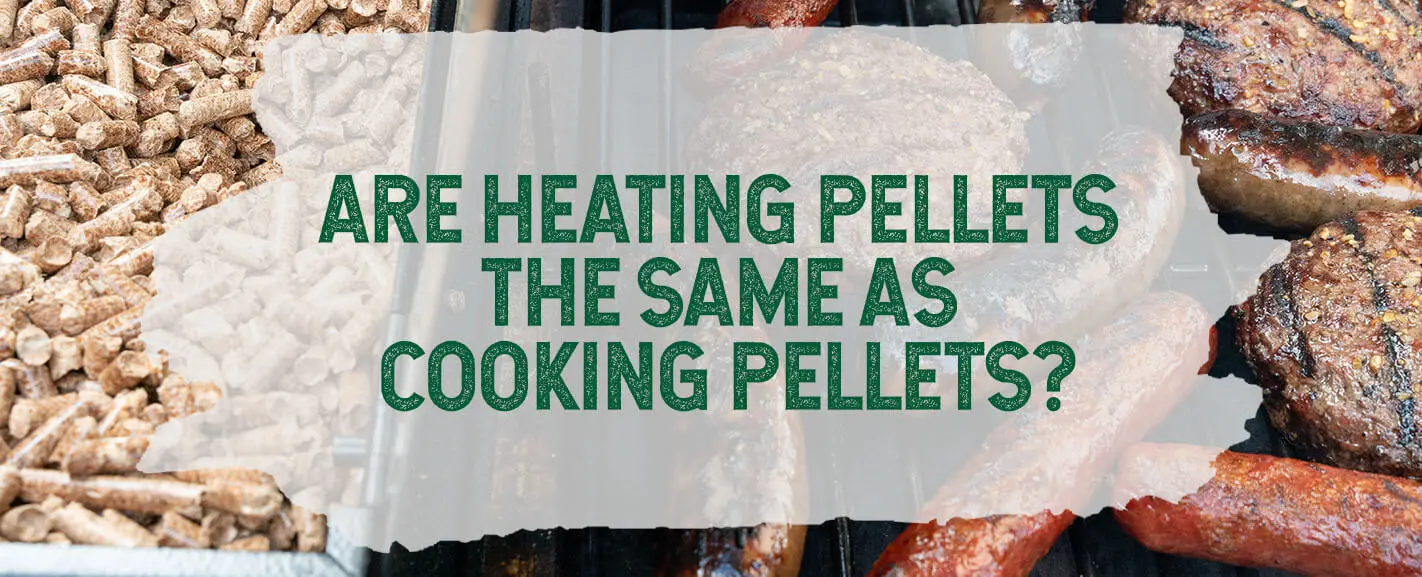
Food-Grade vs. Heating Pellets: Don’t Risk It
Heating pellets often contain binders or softwoods that create toxic smoke. True food-grade pellets use only:
– Hardwood sawdust reclaimed from lumber mills
– Natural lignin (activated by heat) as the sole adhesive
– ≤6% moisture content for clean, consistent burns
Always look for the Pellet Fuels Institute (PFI) Quality Mark—it guarantees low ash (<1%) and no chemical additives.
Pellet Consumption: Real Numbers, Not Guesswork
- Smoking at 225°F: 2 pounds per hour (40-lb bag = 20 hours of cooking)
- Grilling at 450°F: 4 pounds per hour (same bag = 10 hours)
- Unexpected factor: Wind increases consumption by 20% as the PID controller works harder to maintain temperature.
Match Woods to Meats Like a Pro
- Hickory: Bold bacon notes—ideal for pork ribs and beef brisket
- Apple: Mild sweetness—perfect for turkey breasts and baked brie
- Pecan: Buttery richness—elevates chicken thighs and salmon
- Avoid mesquite for long cooks: Its intense earthiness turns bitter after 4+ hours
Your Pellet Smoker’s Secret Brain: The PID Controller
How Temperature Precision Actually Works
The digital controller reads your pit’s temperature 60 times per second, making micro-adjustments to the auger and fan. At 225°F, it might run the auger for 15 seconds, pause for 45, then repeat—keeping temps within ±5°F of your target. Wi-Fi models (like Traeger’s WiFIRE) let you monitor this dance from your couch via smartphone.
Temperature Zones Decoded
- 180–225°F: Maximum smoke penetration (ideal for salmon and cheese)
- 225–275°F: BBQ sweet spot—collagen melts in pork shoulder without drying
- 400–500°F: Reverse-sear territory—crisp bark on steaks in 8 minutes
- 500°F+: Only on select models with direct-flame access (e.g., Traeger’s Sear Zone)
Lid-Open Recovery: Why It Beats Traditional Smokers
Open the lid for 30 seconds? Traditional offsets take 10–15 minutes to stabilize. Your pellet smoker rebounds to target temperature in under 2 minutes because the PID controller instantly ramps up pellet delivery.
Troubleshooting Like a Pitmaster (5-Minute Fixes)

No Ignition? Check These First
- Pellet flow: Tap the hopper—pellets should slide freely
- HotRod test: During startup, peek through the cleanout port—should glow orange
- Power check: Reset GFCI outlets; test with another appliance
- Fan function: Listen for the low hum of airflow within 60 seconds
Temperature Swings: Diagnose the Cause
- ±15°F fluctuation: Normal in high winds—reposition smoker
- ±30°F swings: Clean fire pot ash buildup or replace damp pellets
- No heat above 200°F: Auger jam—vacuum the tube or clear obstructions
White Smoke vs. Blue Smoke: What It Means
- Thick white smoke: Wet pellets or dirty fire pot (clean immediately)
- Thin blue smoke: Ideal for flavor—indicates clean, hot combustion
- Yellow/orange smoke: Pellet quality issue—switch to PFI-certified brands
Maintenance That Takes Less Time Than Your Cook
After Every Cook (5 Minutes)
- Empty the grease bucket (overflow risks flare-ups)
- Scrape the drip tray with a putty knife
- Vacuum ash from the fire pot using a shop vac
Monthly Deep Clean (30 Minutes)
- Remove cooking grates and drip tray
- Vacuum the entire barrel interior
- Clear pellet dust from the auger tube
- Inspect the HotRod for pitting or erosion
Winter warning: In freezing temps, run the shutdown cycle with an empty hopper to prevent ice jams. Store pellets in buckets with silica gel packs.
Why Pellet Smokers Outperform Other Grills
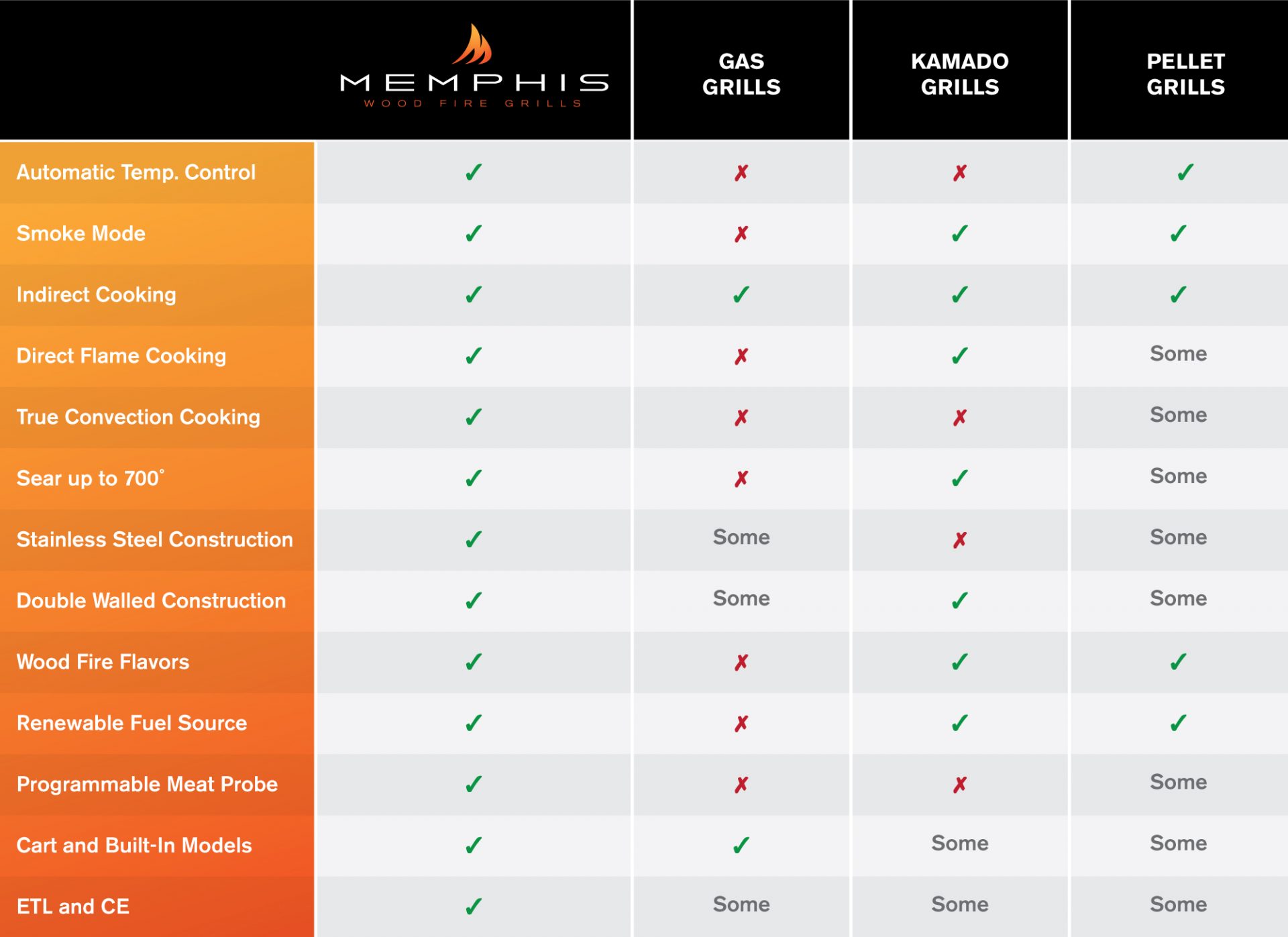
| Feature | Pellet Smoker | Traditional Offset | Gas Grill |
|---|---|---|---|
| Learning Curve | 1 day (set temp, walk away) | 6+ months fire mastery | 1 hour |
| Flavor Authenticity | Real hardwood smoke | Real wood smoke | Metal/grass taste |
| Fuel Attention | Refill every 6-12 hours | Tend fire every 45 min | Refill tank every 8-20 hrs |
| Weather Resilience | Works in light rain | Rain kills fire | Rain OK |
| Temp Precision | ±5°F at 225°F | ±25°F | ±50°F |
Real Success Stories: Beyond Theory
- The Competition Cook: Running brisket at 225°F for 15 hours straight without babysitting the fire. Focus shifts to perfecting bark texture and sauce instead of stoking coals.
- The Weeknight Hero: Set chicken thighs to 375°F while helping kids with homework. 45 minutes later: juicy, smoke-kissed dinner with zero monitoring.
- The Winter Warrior: Smoking cheese at 180°F in 20°F weather—PID controller compensates for cold ambient temps while snow falls on the lid.
The Bottom Line: Why It All Matters
How a pellet smoker works boils down to one revolutionary idea: automating wood-fired barbecue without sacrificing authenticity. The PID controller’s 60-second-by-second adjustments, the auger’s precise fuel delivery, and the induction fan’s even circulation transform compressed sawdust into competition-worthy ribs with minimal effort. By choosing PFI-certified pellets, performing 5-minute post-cook cleanups, and understanding temperature zones, you harness technology that handles the fire while you focus on flavor. Whether you’re smoking salmon at dawn or searing steaks at sunset, this isn’t just a grill—it’s your most reliable pitmaster partner. Now fire it up, set your temp, and let the pellets do the work.
