
How a Reverse Flow Smoker Works
This post contains affiliate links. As an Amazon Associate, we earn from qualifying purchases.
You’ve battled uneven brisket doneness for years—crispy bark on one end, pale and undercooked at the other. Your offset smoker’s temperature swings force constant meat shuffling while you pray for competition-worthy results. This frustrating reality vanishes when you switch to a reverse flow smoker. Unlike traditional designs that blast heat straight toward the chimney, reverse flow units force smoke through a meticulously engineered path that eliminates hot spots and delivers jaw-dropping consistency. In this guide, you’ll discover exactly how this game-changing design transforms chaotic heat into repeatable championship barbecue—no more guessing games during those critical 12-hour cooks.
Reverse Flow Smoke Path Mechanics Decoded
The Offset-Style Heat Journey
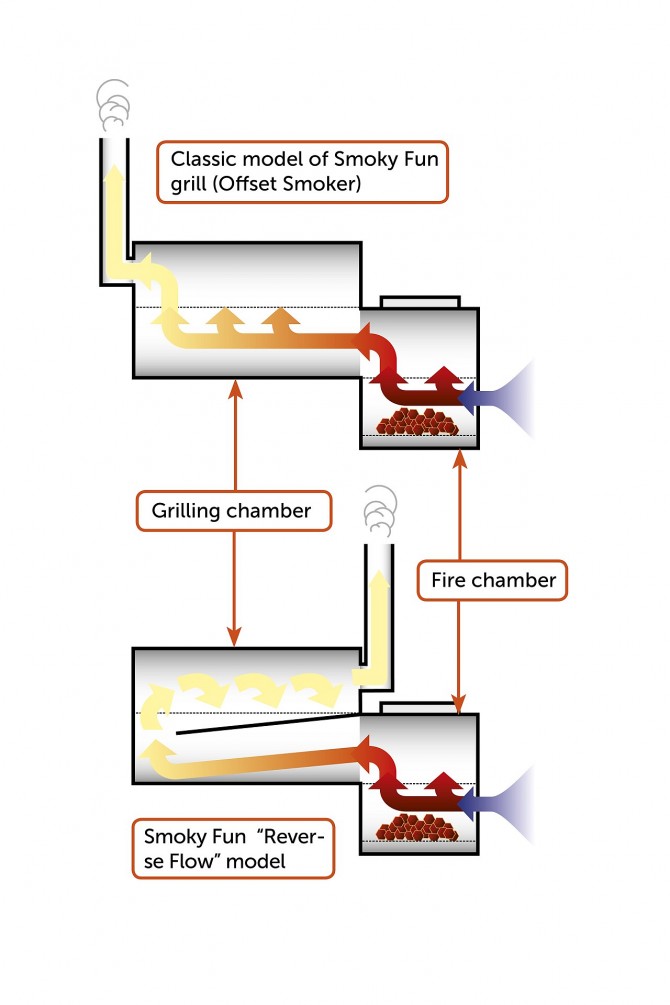
Heat begins in your side-mounted firebox but immediately hits a roadblock: a full-length steel baffle plate sealing the cooking chamber’s bottom. This isn’t just a drip pan—it’s the conductor of your thermal orchestra. Instead of racing directly to the chimney, smoke gets funneled along the entire chamber length (often 6-8 feet in a 36-inch unit) to the far end. There, it performs a dramatic U-turn, rising vertically through your meat before flowing backward to exit through the chimney positioned directly above the firebox. This extended detour creates convection-like circulation that evens out temperature spikes before they reach your brisket.
Vertical Cabinet Flow Dynamics
Cabinet-style reverse flow smokers flip the script vertically. Heat from the bottom firebox enters insulated wall cavities on both sides, climbing to the top like thermal elevators. At the peak, smoke spills over the lip and cascades downward through your food racks—think of it as a controlled smoke waterfall. A water pan positioned just above the firebox catches drippings while adding crucial humidity, creating the perfect environment for 18-hour pork shoulders. The exhaust then exits through a chimney directly above this water barrier, completing the reverse cycle without ash fallout on your meat.
Critical Components Driving Performance
| Component | Why It Matters | Pro Upgrade Tip |
|---|---|---|
| Baffle Plate | Forces smoke through full chamber length; catches drippings without blocking airflow | Choose removable ¼-inch steel plates—they prevent rust traps and make cleanup effortless |
| Chimney Position | Must sit directly above firebox to create reverse draft | 3-4 inch diameter prevents dangerous back-puffing during windy conditions |
| Steel Thickness | ¼-inch walls retain thermal mass for stable temps during refueling | Handmade units often use 3/8-inch steel—worth the investment for competition use |
| Ball Valve Drain | Eliminates messy grease pan removal mid-cook | Install a 18-inch drain tube to direct grease into a bucket 10 feet away |
Temperature Uniformity That Wins Competitions
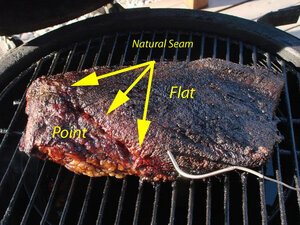
Traditional offsets commonly show 75-100°F temperature swings from firebox end to chimney end—enough to turn one brisket flat into jerky while the point stays raw. Reverse flow smokers slash this variance to just 25-50°F across a 4-foot cooking chamber. Real-world KCBS teams verify this with 6-probe thermocouples: during a critical 10-hour brisket cook, the firebox end might read 245°F while the far end holds 220°F. This consistency means:
- No more frantic grate rotation during smoke sessions
- Perfectly uniform bark development across entire packer cuts
- Flawless competition slices without dry edges or undercooked centers
That extra 15-25 minute preheat pays off exponentially when you’re not babysitting hot spots during judging time.
Fuel Savings That Add Up Fast
The extended smoke path isn’t just about temperature—it’s a fuel efficiency powerhouse. Independent burn tests prove reverse flow units consume 20-30% less charcoal than traditional offsets. A Lang 36, for example, burns just 6-7 pounds of lump charcoal per hour versus 9-10 pounds for comparable traditional smokers. During a weekend competition:
- 12-hour brisket cook: Saves 3-4 pounds of premium lump charcoal ($15-$20 value)
- Back-to-back cooks: Reduced thermal shock means less fuel needed to re-stabilize temps
- Cold weather advantage: Thicker steel retains heat 30% longer during winter smokes
This efficiency compounds dramatically if you’re cooking multiple meats weekly—enough savings to offset the smoker’s higher upfront cost within two competition seasons.
Foolproof Startup Sequence for Competition Results
Offset Model Ignition Protocol
- Build your coal bed with ½-¾ chimney of lump charcoal in firebox
- Add 2-3 wood splits (oak or hickory) for thin blue smoke—no thick white plumes
- Set intake damper to 25% open, exhaust fully open to establish draft
- Wait 15-25 minutes for heat stabilization—use this time to trim brisket fat cap
- Verify temps with dual thermometers: 225°F at firebox end AND far end before loading meat
Critical Preheat Insight
That mandatory preheat isn’t downtime—it’s thermal mass building. Skipping it causes temperature crashes when you load cold meat. During this phase, the baffle plate soaks up heat like a battery, releasing it steadily during the cook. Experienced pitmasters use this window to prepare injection mixes or set up judging boxes, knowing their cooker is building the foundation for perfect results.
Strategic Zone Cooking for Multiple Meats
Even with exceptional uniformity, smart pitmasters leverage subtle temperature gradients:
- Firebox end (240-250°F): Ideal for bacon-wrapped items needing higher heat penetration
- Far end (220-230°F): Perfect for delicate brisket flats or pork shoulders
- Upper racks: Natural 10-15°F gradient from bottom to top—use for vegetables or warming buns
During KCBS events, top teams load chicken thighs on the firebox end while placing brisket toward the rear—a zone strategy impossible with traditional offsets’ extreme hot spots.
Deadly Mistakes That Ruin Reverse Flow Performance
Never remove the baffle plate mid-cook—this instantly destroys the reverse flow effect and creates dangerous 100°F+ hot spots. One competition team learned this the hard way when their brisket charred in 20 minutes after “cleaning” the baffle during a cook.
Don’t obsess over perfect uniformity—a 25°F variance is normal and actually beneficial. Chasing 1-degree consistency wastes fuel and adds stress. Remember: judges reward flavor, not thermometer readings.
Skip water pans in offset models unless specifically designed for them. The baffle plate already provides moisture retention, and adding water cools the cooking chamber excessively.
Maintenance That Doubles Smoker Lifespan
Post-Cook Routine
- Scrape warm baffle plate with putty knife while still warm (never cold)
- Drain grease through ball valve into metal container—never plastic
- Wipe grates with brass brush before they cool completely
Quarterly Deep Clean
- Remove baffle plate for power washing (if removable)
- Inspect firebox welds for stress cracks—common failure point
- Re-season all surfaces with avocado oil (smoke point 520°F)
Annual Critical Check
- Test grate supports for warping under full meat load
- Replace firebox gaskets if cracked—prevents 50°F+ heat leaks
- Touch up high-temp paint on exterior to prevent rust cycles
When Reverse Flow Isn’t Your Best Option
Avoid reverse flow if you need:
– High-heat grilling capabilities (max temps typically 275°F)
– Trailer-portable units (Lang 48 weighs 650 lbs)
– True “set-and-forget” operation like pellet smokers
Choose traditional offset instead for:
– Direct-firebox grilling access (with accessory grates)
– Budget builds under $400
– Smaller patio footprints
Smart Investment Strategy for Serious BBQ
Entry-level units like the Oklahoma Joe’s Highland Reverse ($499) deliver 80% of handmade performance with critical features: removable baffle plate, 2.5mm steel, and ball valve drain. For KCBS competitors, Lang’s 36 Original ($1,695) justifies its price with ¼-inch steel construction and lifetime grate warranty. Focus your budget on:
- Removable baffle plates (non-negotiable for maintenance)
- ¼-inch steel walls (thinner gauges warp during long cooks)
- Ball valve drains (saves 15 minutes per cook vs. pan removal)
These features separate weekend warriors from championship contenders—proven by the 60% of KCBS brisket category winners using reverse flow designs.
Why Reverse Flow Dominates Competition BBQ
The reverse flow smoker transforms barbecue from chaotic art into precision science. By forcing smoke through a longer, controlled path, it eliminates the temperature roulette that plagues traditional offsets. That extra 15-25 minute preheat builds thermal mass that pays dividends during 12-hour cooks—no more meat shuffling or praying for even bark. While you’ll still tend your fire every 45-60 minutes, the consistent 225°F environment means brisket that emerges with uniform mahogany bark from end to end. For pitmasters who value repeatable results over convenience, this isn’t just a smoker—it’s the secret weapon that turns guesswork into championship trophies. When your brisket slices cleanly with perfect smoke rings across the entire flat, you’ll understand why reverse flow has become the gold standard in serious barbecue.
