
How Grill Mats Work: Non-Stick Cooking Explained
This post contains affiliate links. As an Amazon Associate, we earn from qualifying purchases.
How many perfectly good shrimp have you sacrificed to the grill gods this summer? That sinking feeling when your carefully marinated fish fillet slides between the grates, or when half your vegetable skewer disappears into the flames below—it’s enough to make any home griller consider switching to oven cooking. But what if you could keep all your food safely on the grill while still getting that authentic grilled flavor? Understanding how do grill mats work reveals a simple yet brilliant solution that transforms frustrating grilling sessions into foolproof cooking experiences.
Grill mats function as a heat-resistant barrier that sits directly on your grill grates, creating a continuous non-stick surface where food won’t fall through. Made from FDA-approved PTFE-coated fiberglass—the same material in high-end non-stick pans—they withstand intense heat while preventing delicate items from disappearing into the fire. Unlike traditional grates with gaps, these thin sheets (typically 0.3-0.4mm thick) distribute heat evenly across their entire surface, giving you precise control over cooking temperatures without sacrificing the grill’s signature char.
If you’ve ever wasted precious minutes scraping stubborn food residue from rusty grates or tossed out charred vegetables that slipped through the cracks, you need to know exactly how these unassuming sheets solve these common grilling headaches. By the end of this guide, you’ll understand the temperature thresholds that keep your food safe, recognize which foods benefit most from mat usage, and avoid critical mistakes that could ruin both your dinner and your equipment.
Heat Transfer Science Behind Grill Mats
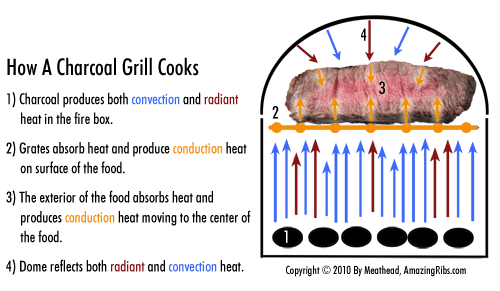
Temperature Thresholds You Must Know
Never exceed 500°F with standard PTFE-coated grill mats—this critical limit isn’t just a suggestion but a safety requirement. At temperatures above this threshold, the non-stick coating begins breaking down, potentially releasing harmful compounds into your food. Copper-infused variants perform best at medium to medium-low heat settings, while premium high-temperature mats might claim 600°F resistance, though their longevity decreases significantly at these extremes.
The heat transfer process occurs in four distinct phases that transform how your food cooks:
– Absorption phase: The mat pulls consistent heat from your grill grates
– Conduction phase: Heat travels through the mat’s 0.25-0.4mm thickness
– Distribution phase: Even temperature spreads across the entire surface
– Buffering phase: The mat prevents direct flame contact while maintaining cooking temperatures
This scientific process creates a more stable cooking environment but sacrifices the intense direct heat needed for perfect sear marks—meaning you gain consistency but lose some traditional grilled flavor complexity.
Thermal Performance Trade-offs
While eliminating frustrating hot spots and cold zones, grill mats fundamentally change your cooking chemistry. Moisture that would normally drip through the grates gets trapped beneath your food, creating a steaming effect that prevents proper caramelization. Your chicken breasts cook evenly without dry patches, but you might miss those deep charred flavors from direct flame contact. This moisture retention works both ways: delicate fish stays perfectly moist, but thick steaks lose that desirable crispy crust texture many grillers seek.
Material Breakdown: What’s Inside Your Grill Mat
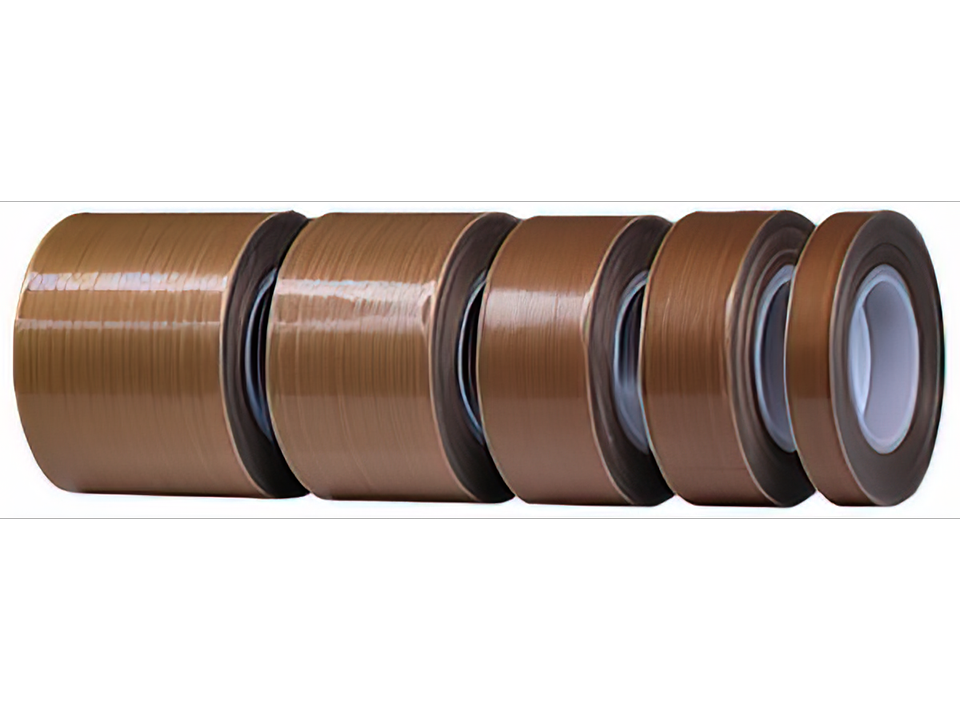
Core Construction Elements
Every effective grill mat starts with fiberglass cloth—the same heat-resistant material used in professional oven mitts and kiln linings. This woven foundation provides structural integrity that withstands temperatures far beyond what your grill produces. The real magic happens when manufacturers coat this fiberglass with PTFE (polytetrafluoroethylene), creating that slick, non-stick surface that releases food effortlessly. Premium variants take this further by weaving copper threads throughout the fiberglass matrix, which act as miniature heat conductors to improve temperature distribution.
Thickness Matters More Than You Think
Thinner mats (0.25mm) allow slightly better heat transfer and minimal grill mark formation but tear more easily during cleaning. Standard thickness (0.3-0.4mm) hits the sweet spot for most home grillers, balancing heat conductivity with durability. Anything thicker than 0.4mm starts insulating too much, essentially turning your grill into an outdoor oven rather than maintaining direct grilling characteristics. When shopping, prioritize consistent thickness over flashy marketing claims—this single specification determines whether your mat will deliver restaurant-quality results or disappointing steamed food.
Real-World Performance Results
Delicate Foods: Perfect Every Time
Fish fillets that would normally flake apart stay perfectly intact on the mat’s surface. Small vegetables like asparagus tips, mushroom slices, or cherry tomatoes cook evenly without constant fear of losing half your meal to the flames. You can even grill eggs, cheese, or saucy foods that would be impossible on traditional grates. One home griller reported: “Whole boneless chicken breasts cooked on the mat—I’ve never had such tender, juicy chicken off a grill in my life.” The continuous surface keeps food safely contained while allowing authentic grilled flavor development.
Meat Performance: The Surprising Truth
Thin cuts like chicken breasts, pork chops, and fish fillets perform exceptionally well with no food loss. Ground meats maintain their shape perfectly, making burger grilling foolproof. However, thick steaks or marinated meats often suffer from the steam effect, resulting in less char and fewer complex flavors. The moisture retention works double duty: your chicken stays incredibly juicy, but you might miss that crispy skin texture. If perfect grill marks are your priority, stick with traditional grates for these specific proteins.
Grill Marks Reality Check
Here’s the hard truth: standard PTFE mats produce minimal to no grill marks. The flat surface simply doesn’t allow for the direct contact needed to create those coveted sear stripes. Copper-infused mats offer slight improvement, with some users reporting faint marks on the second side of cooking. If pronounced grill markings are essential to your presentation, use mats selectively—reserve them for delicate foods while cooking steaks directly on grates.
Safety Guidelines You Can’t Ignore
Temperature Safety Zones
Exceeding 500°F with standard grill mats risks chemical breakdown—this isn’t theoretical but a documented safety concern. For charcoal grills, wait until briquettes burn down to a steady gray ash before adding your mat. Gas grill users should avoid high-heat settings and monitor temperatures with an external thermometer. Never place mats directly over open flames, as this creates immediate fire hazards and damages the non-stick coating.
Health Benefits Beyond Safety
Beyond FDA approval for food contact, grill mats provide significant safety advantages:
– Eliminates dangerous flare-ups from dripping fat
– Prevents contamination from dirty or rusty grill grates
– Reduces burn risk by containing spitting coals and grease
– Creates consistent cooking zones without unpredictable hot spots
Installation: Getting Started Right
Initial Setup Steps
- Preheat your grill to medium heat (never above 500°F)
- Place the mat directly on clean, preheated grates
- Preheat the mat for 1-2 minutes to ensure even temperature distribution
- Add food directly—no oil or butter needed thanks to the non-stick surface
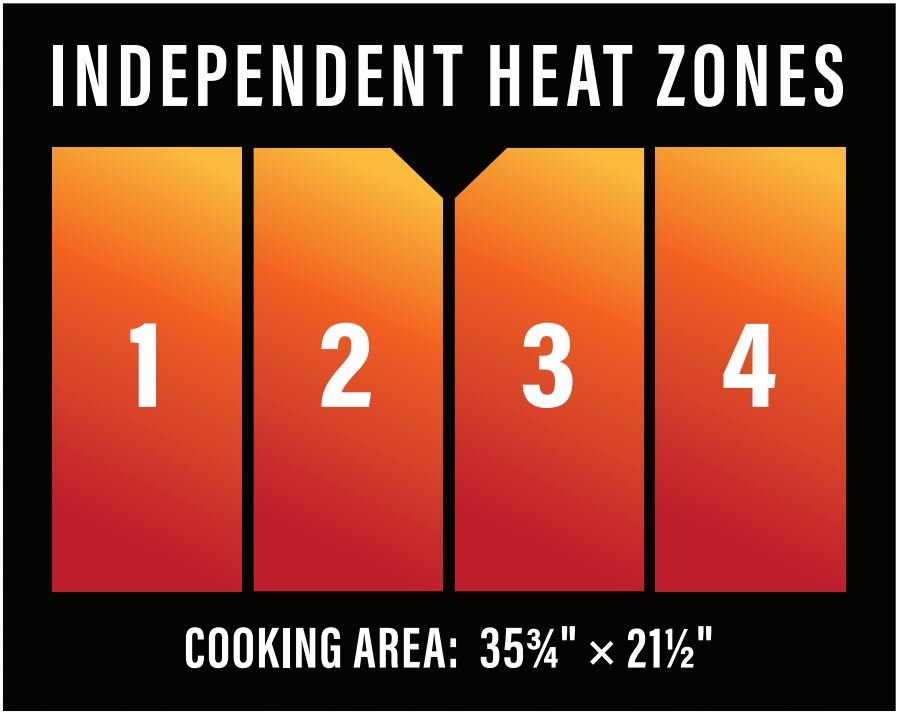
Pro tip: Cut your mat to fit your specific grill dimensions using regular scissors. Multiple smaller mats work better than one large sheet for creating different cooking zones—perfect when searing steaks while gently cooking vegetables.
Cooking Techniques That Work
The non-stick surface means no additional oil required—your food releases easily every time. Sauces and marinades stay contained on the mat instead of dripping through, allowing for more complex flavor development. Flipping becomes effortless since nothing sticks to the surface. For best results, avoid overcrowding the mat, which traps too much moisture and defeats the purpose of grilling.
Maintenance: Extending Your Mat’s Life
Cleaning Made Simple
Most users report the same satisfaction: “Clean up with simple dish soap and a paper towel, no scrubbing.” While many PTFE mats are technically dishwasher safe, hand washing with mild soap significantly extends their lifespan. Never use steel wool or abrasive cleaners—these scratch the non-stick coating and create food traps. After cooking fatty foods, wipe excess grease while the mat is still warm (but not hot) for easiest cleanup.
Longevity Indicators to Watch
Replace your grill mat immediately when you notice:
– Permanent discoloration or yellowing
– Surface scratches that catch food particles
– Increased food sticking despite proper cleaning
– Visible bubbling or peeling of the non-stick coating
With proper care—avoiding excessive heat and abrasive cleaning—you’ll get 1-2 years of regular use before replacement becomes necessary.
Beyond Grilling: Hidden Versatility
Indoor Applications
Your grill mat doubles as a baking mat for cookies, roasted vegetables, or even as countertop protection for hot pans. Cut smaller pieces to fit toaster ovens or use as a liner for sheet pans. The heat resistance makes it perfect for any cooking application under 500°F, transforming it from seasonal grilling accessory to year-round kitchen essential.
Grill Compatibility Across All Types
Whether you use charcoal, gas, electric, or pellet grills, grill mats adapt to your setup. Charcoal requires careful heat management (wait for steady embers), while gas and electric grills offer the most precise temperature control. Pellet grills particularly excel with mats due to their consistent temperature maintenance—ideal for delicate items like fish that require precise heat.
Making the Right Purchase Decision
Price vs. Performance Reality
Copper grill mats ($10-16 for two) offer slight heat distribution improvements but don’t justify significantly higher prices. Standard PTFE mats ($8-15 each) provide 95% of the benefits at lower cost. Premium sets like Grillaholics ($25.95 for three) offer better durability but similar cooking performance. Don’t overpay for “special” features—most brands perform nearly identically when used within proper temperature ranges.
Retail Availability
Find reliable options at Target, Walmart, and Bed Bath & Beyond for immediate needs, or order through Amazon for the widest selection. Most brands offer similar performance—the key is choosing the right thickness for your cooking style and always verifying the 500°F maximum temperature rating before purchasing.
Final Verdict: Should You Use Grill Mats?
Grill mats work exceptionally well for specific applications: delicate foods, small items, and easy cleanup situations. They fail at traditional grilling tasks requiring high-heat searing or pronounced grill marks. Use them strategically—not as a complete grill grate replacement, but as a specialized tool for foods that would otherwise be impossible or frustrating to grill.
The trade-off is clear: you gain convenience and prevent food loss, but sacrifice some traditional grilled flavors and textures. For many home grillers, this compromise is well worth making—especially when dinner doesn’t end with half your meal sacrificed to the flames below. Keep a mat in your grilling toolkit for fish, veggies, and small items, but pull it out when searing thick steaks for the best of both worlds.
