
How a Smoker Grill Works: Simple Guide
This post contains affiliate links. As an Amazon Associate, we earn from qualifying purchases.
That unmistakable aroma of smoked brisket isn’t magic—it’s precise physics and chemistry working inside your smoker grill. If you’ve ever wondered how does a smoker grill work to transform tough cuts into tender barbecue, the answer lies in controlled airflow, low temperatures, and wood chemistry. Unlike grilling, smoking uses indirect heat between 200-275°F to slowly break down collagen while wood smoke deposits flavor compounds that create the coveted smoke ring. Whether you’re using a $300 bullet smoker or a high-tech pellet rig, these fundamental principles turn raw meat into competition-worthy barbecue.
Mastering this process eliminates guesswork when your pork shoulder isn’t tender or smoke flavor falls flat. Let’s uncover exactly what happens inside that metal chamber from ignition to perfect pull-apart texture.
3 Essential Parts Inside Every Smoker Grill
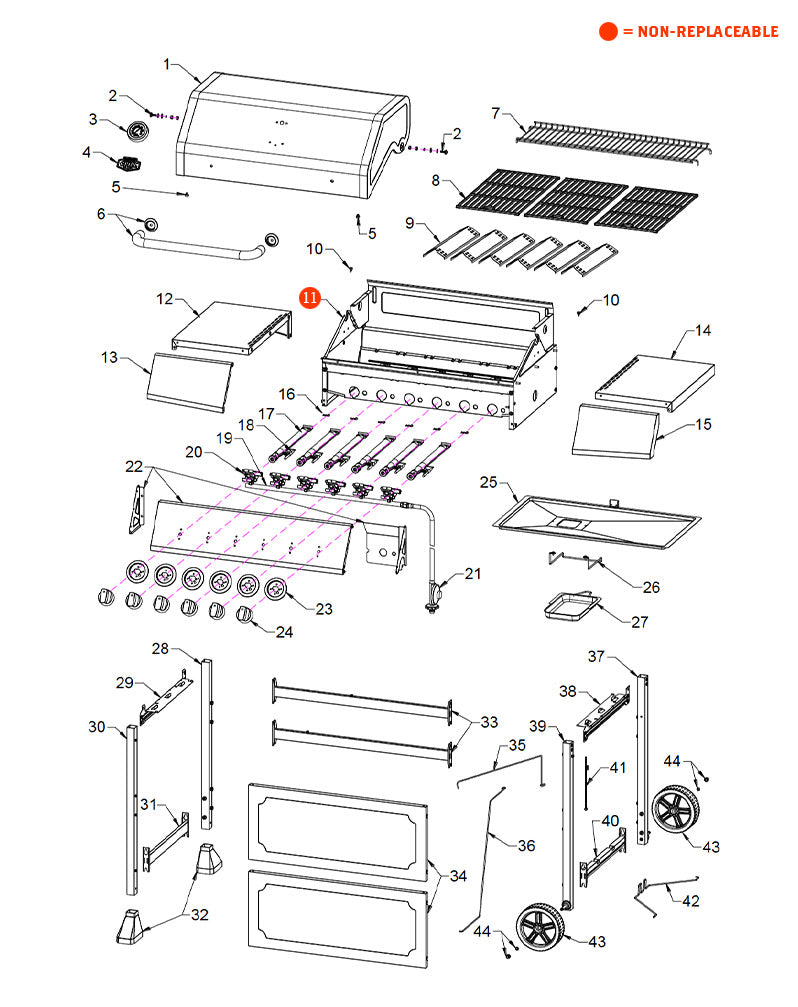
Your smoker functions like a precision combustion engine with three non-negotiable components working in concert—remove any one, and smoke production fails.
Air Intake System Controls Temperature
Bottom vents or electric fans regulate oxygen flow to the fire source. Wider openings flood the fire with oxygen for higher heat (300°F+), while nearly closed vents starve flames for low-and-slow cooking (225°F). This isn’t passive airflow—it’s active temperature management where 1/8-inch vent adjustments create 25°F shifts. Always position your smoker on level ground; uneven surfaces disrupt this critical airflow symmetry.
Fuel Burner Creates Clean Smoke
Whether it’s a charcoal basket, pellet burn pot, or offset firebox, this zone must produce thin blue smoke—not billowing white clouds. White smoke indicates incomplete combustion that coats meat in bitter creosote. Achieve clean smoke by using dry hardwood chunks (not soaked) placed directly on hot coals or in a dedicated chip tray. Pellet smokers automate this via auger-fed hardwood pellets that ignite in a dedicated burn pot.
Sealed Cooking Chamber Traps Flavor
This insulated space—made of steel, ceramic, or cast iron—holds steady temperatures within 25°F edge-to-edge. Critical details include tight-fitting lids with rubber gaskets and strategically placed baffles that force smoke to circulate around food. Without this seal, smoke escapes prematurely, wasting flavor and causing temperature swings that toughen meat.
How Smoke Travels From Fire to Food
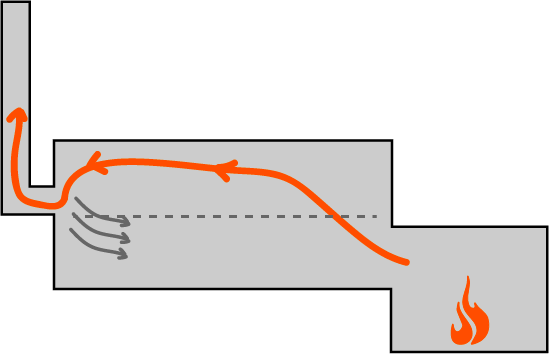
Understanding this path solves 90% of smoking problems like uneven cooking or bitter flavors.
Air Enters Below to Feed the Fire
Fresh oxygen pulled through bottom vents hits smoldering wood or charcoal, triggering combustion that produces smoke particles and heat. In offset smokers, this happens in a separate firebox; in vertical smokers, directly beneath the cooking grates. Pro tip: Never block intake vents—this suffocates the fire and creates acrid white smoke.
Smoke Circulates Around Your Meat
Heated smoke (200-275°F) flows upward and across food, depositing phenols and carbonyls that create barbecue’s signature flavor. Simultaneously, nitrogen dioxide from wood combustion reacts with meat myoglobin to form the pink 1/4-inch smoke ring—a visual hallmark of proper technique. Water pans placed between fire and food stabilize humidity, preventing dryness while helping smoke particles adhere to the meat surface.
Exhaust Exits Above to Maintain Flow
Top vents act like a chimney, pulling fresh smoke toward the food while expelling spent particles. Keep exhaust vents at least 1/4 open—closing them traps stale smoke that turns meat bitter. In reverse-flow offset smokers, a steel baffle plate forces smoke under the meat before exiting, eliminating hot spots common in basic models.
Perfect Temperature Zones for Brisket, Ribs, and Chicken
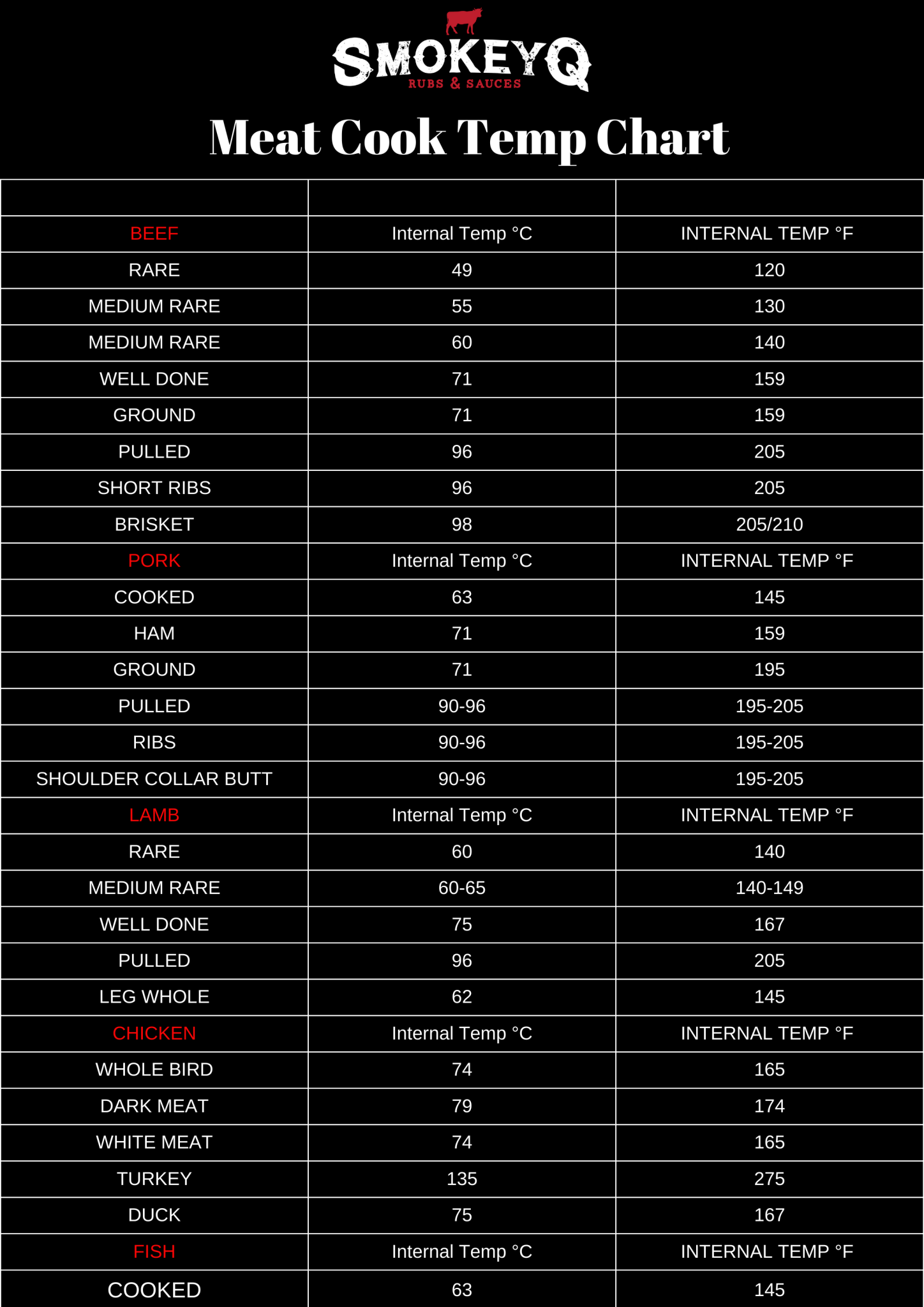
Hitting these ranges makes or breaks texture and smoke absorption.
Low-and-Slow Zone (225-250°F)
Ideal for brisket, pork shoulder, and ribs. At this temperature, collagen melts into gelatin over 10-16 hours without drying meat. Critical mistake: Opening the lid drops chamber temps by 40°F—each peek adds 15 minutes to cook time. Use a wireless thermometer instead.
Medium Heat Zone (250-275°F)
Best for whole chickens, turkey breasts, or sausages. Higher heat crisps skin while smoke penetrates faster. Never exceed 275°F—meat will seize up before smoke flavor develops.
Quick-Smoke Zone (200-225°F)
Reserved for delicate items like salmon fillets or cheese. Lower heat prevents overcooking while allowing subtle smoke absorption in under 90 minutes.
Why Oak Smokes Differently Than Apple Wood
Fuel choice directly impacts flavor chemistry—hardwoods create stronger compounds than fruit woods.
Hardwood vs. Fruit Wood Chemistry
Oak and hickory release high levels of guaiacol (smoky, bacon-like notes) ideal for beef. Milder fruit woods like apple produce more syringol (sweet, floral notes) that won’t overpower poultry. Never soak wood chips—water must evaporate at 212°F before smoking begins, causing temperature spikes and steam instead of smoke.
Pellet and Charcoal Advantages
Lump charcoal provides steady baseline heat with minimal smoke; add 2-3 wood chunks for flavor bursts. Pellet smokers deliver consistent smoke via automated hardwood-pellet feeding, but require electricity. Gas/electric smokers produce milder smoke since wood chips smolder rather than burn—resulting in no true smoke ring.
Offset, Pellet, and Kamado: How Each Smoker Grill Works
Offset Smokers Create Authentic BBQ Flavor
Heat and smoke travel horizontally from a side firebox across food before exiting through a chimney. Reverse-flow models add a steel baffle that routes smoke under the meat for even cooking. You’ll need: 60-minute preheat time, constant firebox monitoring, and practice managing dual vents. Best for purists seeking competition-level smoke rings.
Pellet Smokers Offer Set-and-Forget Convenience
An electric auger feeds hardwood pellets into a burn pot where a hot rod ignites them. A fan-controlled PID system maintains temps within ±5°F. Key advantage: Wi-Fi models like Traeger let you adjust temps from your phone. Downsides include pellet dependency and $400+ entry cost.
Kamado Smokers Excel in Heat Retention
Ceramic walls and tight seals hold 225°F for 12+ hours on one charcoal load. Top/bottom vents provide precise airflow control. Pro tip: Place a heat deflector above the charcoal for true indirect smoking. Avoid rapid temperature changes—thick walls take hours to cool if you overshoot.
Adjusting Vents and Dampers for Steady 225°F
Manual temperature control separates beginners from pros.
Master Airflow in Charcoal Smokers
- Bottom damper: Primary control—open 50% for 225°F, 75% for 275°F
- Top damper: Fine-tuning—adjust 1/8 inch at a time
- Golden rule: Wait 15 minutes after each adjustment before rechecking temps
Trust External Thermometers, Not Built-Ins
Factory gauges often read 25-50°F high. Clip a dual-probe thermometer to your cooking grate—position one probe near the meat. For pellet smokers, verify the RTD probe isn’t touching metal surfaces.
7 Steps to Start Smoking Like a Pro
1. Season New Equipment First
Run an empty 250°F cycle for 2-3 hours to burn off manufacturing oils. Coat interior surfaces lightly with cooking oil before first use.
2. Load Fuel Correctly
- Offset: Fill firebox with charcoal, add 2 wood chunks
- Pellet: Fill hopper, ensure auger is clear
- Kamado: Arrange lump charcoal in fire ring
3. Achieve Target Temperature
Allow 20-30 minutes for stabilization. Adjust bottom vents incrementally—never rush this phase.
4. Add Flavor Wood at the Right Time
Place dry wood chunks on hot coals after the fire stabilizes. Replenish every 30 minutes for charcoal smokers; pellets feed automatically.
5. Load Cold Meat for Better Smoke Adhesion
Cold surfaces attract more smoke particles. Position meat fat-side up to self-baste during cooking.
6. Monitor Without Disturbing
Check wireless thermometer readings instead of lifting the lid. Refill water pans through side access doors if available.
7. Rest Meat Before Serving
Remove at target internal temp (brisket: 203°F), wrap in butcher paper, and rest 60 minutes. This allows juices to redistribute.
Brisket in 10 Hours? Realistic Smoking Timetables
| Meat Type | Target Temp | Internal Finish | Time per Pound |
|---|---|---|---|
| Pork Shoulder | 225°F | 195-205°F | 1.5 hours |
| Whole Brisket | 225°F | 200-205°F | 1.25 hours |
| Baby Back Ribs | 225°F | 190-195°F | 5-6 hours total |
| Whole Chicken | 250°F | 165°F (breast) | 2-3 hours |
| Salmon Fillet | 200°F | 145°F | 45-60 minutes |
Critical reminder: These are estimates—cook to internal temperature, not time. A 12-pound brisket might finish in 10 hours or 16 depending on thickness and fat content.
3 Critical Maintenance Tasks After Every Smoke
- Clean grates while warm with a brass brush to prevent rust and flavor transfer
- Empty ash and grease traps—built-up residue causes flare-ups and uneven temps
- Check gasket seals annually by closing the lid on a dollar bill; if you pull it out easily, replace the rubber
Safety must: Always place smokers 10+ feet from structures on non-flammable surfaces like concrete. Store pellets in sealed containers to prevent moisture absorption.
Choosing Your First Smoker: Electric vs Pellet vs Offset
- Easiest for beginners: Electric smokers ($200-$500) offer plug-and-play simplicity with mild smoke—ideal for fish or sausage
- Best authentic flavor: Offset smokers ($500+) deliver true smoke rings but require constant fire tending
- Most versatile: Pellet smokers ($400-$2000+) function as grills, smokers, and ovens with Wi-Fi control
- Budget hack: Modify a kettle grill using the “snake method” with unlit charcoal and wood chunks
Understanding how does a smoker grill work transforms guesswork into repeatable results. When smoke flows cleanly at 225°F with properly chosen wood, you’re not just cooking—you’re harnessing centuries of barbecue science. Start with these fundamentals, and every cook becomes a lesson in flavor alchemy where fire, meat, and patience create something greater than the sum of its parts.
