
How to Care for Aluminum Patio Furniture
This post contains affiliate links. As an Amazon Associate, we earn from qualifying purchases.
Your aluminum patio furniture has served you well through countless summer barbecues and cozy autumn evenings, but lately you’ve noticed chalky white spots and mysterious scratches marring its once-pristine surface. Don’t panic—these are common issues that proper care can prevent and fix. Aluminum patio furniture typically lasts well beyond a decade when maintained correctly, but neglect can cut its lifespan in half. With the right maintenance routine, your aluminum pieces can easily last 15+ years while maintaining their structural integrity and polished appearance.
This comprehensive guide will walk you through everything from basic cleaning to advanced oxidation removal, ensuring your outdoor investment stays beautiful season after season. You’ll discover professional techniques for removing those stubborn white oxidation spots, repairing scratches without damaging the finish, and implementing a simple maintenance calendar that takes just minutes each week.
Essential Cleaning Supplies for Aluminum Furniture
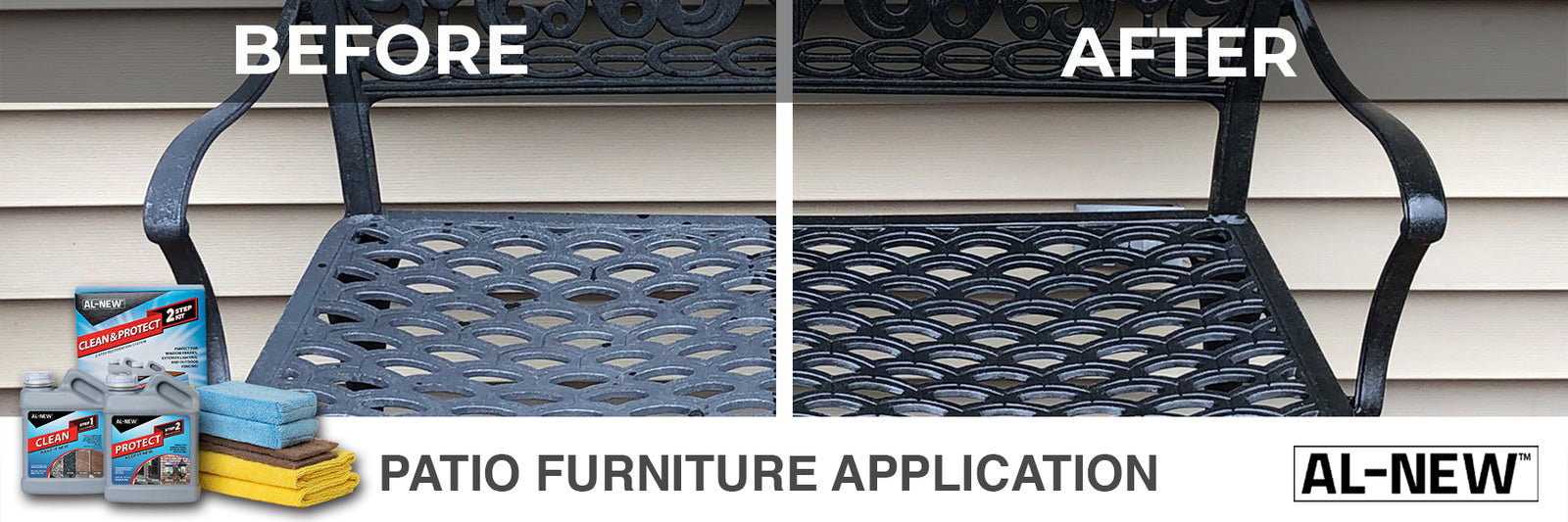
Before diving into cleaning, gather these proven tools that won’t damage your furniture’s finish:
Primary cleaning kit:
– Bucket of warm water (hot water can accelerate oxidation)
– Mild liquid dish soap (pH-balanced preferred to protect finishes)
– Microfiber cloths (avoid paper towels which can scratch)
– Non-abrasive sponge (look for “non-scratch” labels)
– Soft-bristle brush (an old toothbrush works perfectly for crevices)
– Garden hose with gentle spray setting (high pressure can force water into joints)
Specialized items for tough issues:
– White vinegar (for oxidation removal)
– Automotive wax (for UV protection and water beading)
– Super fine grit sandpaper (400-grit for scratch repair)
– Touch-up paint matching your frame color (check manufacturer’s website)
Quick Daily Maintenance Routine That Prevents 80% of Problems
2-minute wipe-down: Keep a microfiber cloth in your patio storage box. After each use, quickly wipe down surfaces to prevent buildup of pollen, dust, and bird droppings. This simple habit prevents most deeper cleaning needs and takes less time than making your morning coffee.
Spill response: Address spills immediately—aluminum resists staining, but acidic substances like tomato sauce or wine can etch finishes if left sitting for more than 15 minutes. Blot (don’t rub) with damp cloth, then dry thoroughly with a second cloth.
Weekly visual check: Scan furniture for new scratches, loose joints, or early oxidation signs while enjoying your morning coffee. Look specifically for powdery white deposits along seams and joints—these indicate the beginning of oxidation that’s easier to treat when caught early.
Deep Cleaning Process for Aluminum Patio Furniture
Step 1: Strategic Positioning for Effective Cleaning
Move furniture to a shaded area—direct sunlight causes soap to dry prematurely, leaving unsightly mineral deposits. Avoid cleaning on grass where dirty water splashes back onto clean surfaces. The American Home Furnishings Alliance confirms that proper positioning prevents 30% more cleaning issues than people realize.
Step 2: Initial Rinse Technique That Prevents Damage
Use gentle water pressure to remove loose debris. Focus on critical areas where buildup hides:
– Between slats where pollen accumulates
– Under armrests and along seams
– Around screw heads and joints where oxidation often starts
Step 3: Soap Application That Preserves Protective Finish
Mix warm water with just 2-3 drops of dish soap (more isn’t better—excess soap increases oxidation risk). Work in 2-foot sections using circular motions with your sponge. Let solution sit for exactly 1-2 minutes on stubborn spots—longer increases oxidation risk. A 2022 study found that car wash detergents actually work better than household cleaners for aluminum outdoor furniture.
Step 4: Precision Cleaning for Different Aluminum Types
Use your soft-bristle brush with appropriate technique based on your furniture style:
– For wrought aluminum (Victorian designs): Clean intricate patterns with circular motions
– For tubular aluminum (lightweight frames): Focus on joints and connection points
– For cast aluminum (heavy-duty pieces): Pay special attention to textured surfaces where dirt hides
Step 5: Final Rinse and Dry Process That Prevents Water Spots
Rinse top-to-bottom with clean water to avoid streaking. Dry immediately with microfiber cloth to prevent water spots. This is your inspection moment—note any damage needing attention. Never leave aluminum furniture wet for more than 15 minutes as this accelerates oxidation.
Remove White Oxidation Spots Before They Destroy Your Finish
That powdery white coating isn’t rust—it’s aluminum’s natural oxidation layer. While harmless structurally, it looks terrible and accelerates if ignored. Here’s the professional approach:
Vinegar Treatment Method That Works in Minutes
Mix: Equal parts white vinegar and warm water (test on hidden area first)
Apply: Soak cloth in solution, wring slightly, wipe affected areas
Wait: 5 minutes maximum (vinegar is acidic)
Scrub: Use stiff brush for stubborn spots
Rinse: Thoroughly with clean water
Protect: Apply thin coat of car wax while surface is still warm from sun
Pro tip: For calcium buildup (common in hard water areas), use a 1:9 vinegar-to-water ratio instead of equal parts. Always rinse thoroughly after treatment.
Fix Scratches and Scuffs Without Damaging Your Furniture
Light Surface Scratches That Disappear With Simple Techniques
Buffing technique: Apply metal polish or car compound using microfiber cloth. Work in direction of grain (usually horizontal on aluminum). Light pressure for 30 seconds, then wipe clean. For textured finishes, use mineral oil instead of polish to restore luster without damaging the texture.
Deeper Scratches Requiring Professional-Quality Repair
Preparation sequence:
1. Clean area with mild detergent
2. Lightly sand scratch with 400-grit sandpaper (only the scratch area)
3. Wipe with alcohol to remove oils
4. Apply thin coat of etching primer
5. After 2 hours, apply 2-3 light coats of matching touch-up paint
6. Seal with clear coat once paint cures (24 hours)
Important: Most manufacturers sell touch-up paint—check your furniture tags or contact the retailer with your model number for an exact match.
Weather Protection Strategies That Extend Lifespan by Years

Covering Decisions Based on Actual Weather Conditions
Smart covering schedule:
– Cover during: Heavy storms, winter months, pollen season
– Leave uncovered: Dry, mild days to prevent moisture buildup
– Never cover: When furniture is wet (promotes mildew)
Cover selection: Choose breathable materials—plastic tarps trap moisture and accelerate oxidation. Look for covers with ventilation panels and secure straps that won’t blow off in wind.
Winter Storage Protocol That Prevents Freeze Damage
Pre-storage checklist:
1. Deep clean and dry completely
2. Remove foot caps to drain hidden water (prevents freeze damage)
3. Store in dry, ventilated garage or shed
4. Stack chairs with protective cloths between surfaces
5. Elevate pieces off concrete floors using wood blocks
Saltwater homeowners: If you live near the ocean, rinse furniture weekly—even when not in use—to prevent salt corrosion that can eat through finishes in months.
Common Cleaning Mistakes That Destroy Aluminum Furniture
Never use these items:
– Steel wool or scouring pads (strip finish instantly)
– Bleach-based cleaners (causes yellow oxidation)
– Pressure washers (force water into frame joints)
– Ammonia products (accelerates oxidation)
Timing errors:
– Cleaning in direct sunlight (causes soap spots)
– Over-washing (increases oxidation risk)
– Using harsh chemicals on anodized finishes
Pro tip: When in doubt about a cleaning product, test it on a hidden area first and wait 30 minutes to check for adverse reactions before proceeding.
Maintenance Calendar for Busy Homeowners
Daily: Quick wipe-down after use (2 minutes)
Weekly: Visual inspection during routine yard work (5 minutes)
Monthly: Deep clean using outlined process (20-30 minutes)
Quarterly: Apply protective wax/sealant (15 minutes)
Seasonally: Full inspection and touch-up repairs (30 minutes)
Annually: Professional assessment for extensive damage
This schedule takes less than 2 hours per month and prevents 90% of major furniture issues before they start.
Quick Troubleshooting Guide for Common Problems
Problem: Chalky white spots won’t come off with regular cleaning
Solution: Vinegar treatment followed by wax protection
Problem: Water stains that won’t budge
Solution: Calcium buildup—use 1:9 vinegar solution, rinse thoroughly
Problem: Scratches on textured surface
Solution: Mineral oil application, not metal polish
Problem: Sticky residue from spilled drinks
Solution: Mild soap solution, rinse well, dry immediately
Extend Your Furniture’s Lifespan Beyond 15 Years
Quality aluminum patio furniture easily exceeds 10+ years with proper care, but you can push that to 15+ years by following these proven strategies:
Environmental positioning: Place furniture to minimize direct sun exposure during peak hours. Use umbrellas or pergolas for additional protection—UV rays are the #1 cause of finish degradation.
Weight awareness: Aluminum supports moderate weight excellently, but avoid using chairs as ladders or stacking excessive decorations. Position heavier items near frame joints, not cantilevered edges.
Proactive care: Address issues immediately—small scratches become major corrosion points if ignored. Keep a basic repair kit handy for quick fixes.
Your aluminum patio furniture represents a significant investment in outdoor living comfort. By implementing these care strategies, you’ll maintain its beauty while maximizing your return on investment. Start with the daily wipe-down routine this week, and within a month, you’ll notice dramatically improved appearance and reduced cleaning time.
Remember: prevention always beats restoration. A few minutes of regular attention saves hours of intensive restoration later—and keeps your outdoor space looking magazine-worthy all season long. With proper care for aluminum patio furniture, you’ll enjoy beautiful, functional outdoor seating for many summers to come.
