
How to Clean Lawn Mower Air Filter
This post contains affiliate links. As an Amazon Associate, we earn from qualifying purchases.
Your lawn mower suddenly sputters, loses power, or won’t start—chances are the air filter is choked with dirt and grass clippings. A clogged filter starves your engine of clean air, leading to poor performance, excessive fuel consumption, and costly repairs. Learning how to clean air filter for lawn mower takes just 10 minutes but saves hundreds in engine damage. This guide walks you through the exact steps for every filter type, plus pro tips to extend filter life and prevent future problems.
Identify Your Filter Type
Before grabbing tools, determine which filter sits in your mower. Each requires a different cleaning approach. Knowing your filter type is the first critical step in how to clean air filter for lawn mower properly.
Paper Filter Characteristics
Look for: White or yellowish pleated paper inside a plastic frame, similar to car air filters. Found on most modern push and riding mowers. These filters block light when held up—if yours blocks most light, skip cleaning and replace it. Paper filters work like a fine mesh screen, capturing tiny particles but clogging faster than foam versions. When new, they’re bright white or pale yellow, but turn brown or gray as they collect dirt.
Foam Filter Features
Spot by: Soft, spongy rectangular or cylindrical foam. Common on older push mowers and small gas models. These can be washed and reused multiple times until they tear, crack, or turn brittle. Think of foam filters like a kitchen sponge—they trap larger debris while allowing air to flow through the porous material. They’re typically black or dark gray when dirty but return to their original color after proper cleaning.
Dual-Element Design
Recognize: Paper filter wrapped with foam pre-filter. High-performance mowers use this combo for maximum protection. Clean both elements separately—foam gets washed, paper gets replaced when dirty. The foam acts as a first line of defense against large debris, while the paper captures finer particles that make it through. This two-stage system extends the life of the paper element but requires careful attention to both components during maintenance.
Gather Essential Tools
Must-Have Items
- Safety gloves (protect hands from sharp edges)
- Screwdriver (Phillips or flathead—check your mower first)
- Clean rags or paper towels
- Small brush (toothbrush works great)
Foam Filter Supplies
- Liquid dish soap
- Clean engine oil (2 teaspoons max)
- Warm water
- Plastic bag for oil application
Quick Filter Check
Time needed: 2 minutes before shopping
Compare your old filter to new ones at the store. Most residential mower filters cost $5-$20—riding mower filters run higher. Always match your exact model number from the owner’s manual. Keep an extra filter on hand for quick replacements when you’re learning how to clean air filter for lawn mower efficiently.
Safety Steps Before Starting
Engine Shutdown Protocol
- Turn off mower completely—wait for all moving parts to stop
- Cool down for 5-10 minutes (hot engines burn skin)
- Disconnect spark plug wire by pulling the rubber boot straight off
- Cover engine opening with paper towel to prevent debris entry
Critical Warning
Never run your mower without an air filter. Even for a quick test, dirt will damage the engine permanently. This 30-second mistake can cost $300+ in repairs. Safety isn’t just about preventing immediate damage—it’s essential for successfully completing how to clean air filter for lawn mower without causing additional problems.
Deep Clean Foam Filters

Wash Process
- Inspect for tears, cracks, or excessive staining
- Submerge in warm soapy water
- Massage gently to release trapped dirt and oil
- Rinse thoroughly until water runs completely clear
- Squeeze excess water—never wring or twist the foam
Drying Requirements
Air dry only—24 hours minimum in a well-ventilated area. Avoid direct sunlight or heat sources that can shrink or damage the foam. The filter must be completely dry before oiling. Rushing this step is one of the most common mistakes when learning how to clean air filter for lawn mower—installing a damp filter causes performance issues.
Oil Application Made Easy
Bag method: Place dry foam in a plastic bag, add 2 teaspoons clean engine oil, seal and massage for even distribution. The filter should feel slightly tacky but not dripping oil. Excess oil causes smoke and poor performance. Proper oiling is crucial—it’s not just about cleaning but restoring the filter’s ability to trap dirt effectively.
Clean Paper Filter Fast
Quick Assessment Method
Hold the filter toward a bright light. If you can’t see light through most of the paper, replacement beats cleaning. Tapping removes loose dirt but won’t fix a clogged filter. Paper filters have a limited lifespan—attempting to clean them too many times damages the delicate fibers.
Cleaning Steps
- Tap gently on a flat surface with pleats facing up
- Blow carefully with compressed air (under 30 PSI) from inside out only
- Check edges for tears or oil stains—any damage means replacement
- Reinstall ensuring tight fit with no gaps around edges
When to Replace Paper Filters
Replace immediately if you notice:
– Tears or holes in the paper
– Oil saturation or dark staining
– Pleats that won’t separate
– Filter feels brittle or crumbles when flexed
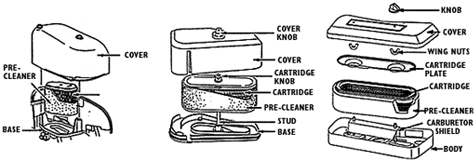
Dual-Element Filter Process
Separation Technique
Carefully slide the foam pre-filter off the paper element. These two pieces serve different functions—treat them accordingly. The foam catches larger debris while protecting the more delicate paper element from rapid clogging.
Foam Pre-Cleaner Steps
Follow the exact foam filter cleaning process above. Replace this piece when it tears, cracks, or no longer returns to original shape after squeezing. Don’t neglect the pre-cleaner—many people focus only on the paper element when learning how to clean air filter for lawn mower.
Paper Element Decision
Assess the paper portion separately. If it blocks light or shows damage, replace it regardless of the foam’s condition. These typically last 100-150 hours before replacement. Even with a clean foam pre-filter, a clogged paper element restricts airflow.
Reassembly Trick
Slide the cleaned foam pre-filter over the new or cleaned paper element. Ensure both sit snugly together before installation. Proper reassembly is the final critical step in how to clean air filter for lawn mower successfully.
Clean Filter Housing Properly
Debris Removal
Use a dry cloth or small brush to remove all grass, dirt, and debris from the filter compartment. Pay special attention to the sealing surfaces—any dirt here creates gaps where unfiltered air enters. Many performance issues after cleaning stem from overlooked housing contamination.
Housing Inspection
Check the air filter housing for cracks or damaged seals. A poor seal negates filter effectiveness, causing rapid dirt accumulation and engine wear. This step often gets skipped when people rush through how to clean air filter for lawn mower process.
Final Installation
Position the filter correctly (reference your earlier photo), replace the cover securely, and reconnect the spark plug wire. Start the mower and listen for smooth operation. Proper installation ensures all your cleaning efforts pay off with improved performance.
Fix Common Filter Problems

Engine Won’t Start
Likely cause: Completely clogged filter
Quick fix: Replace paper filter or clean foam thoroughly
Black Smoke from Exhaust
Likely cause: Over-oiled foam filter or clogged paper
Quick fix: Squeeze excess oil from foam or replace paper filter
Loss of Power Under Load
Likely cause: Restricted airflow from dirty filter
Quick fix: Clean or replace filter immediately
Rapid Re-Contamination
Likely cause: Poor housing seal or dusty conditions
Quick fix: Inspect housing for gaps, increase cleaning frequency
Extend Filter Life Pro Tips
Storage Strategy
Store your mower in a clean, dry garage or shed. Dusty outdoor storage triples filter contamination rates. Always check the filter before first spring use. Proper storage significantly extends the time between needing to learn how to clean air filter for lawn mower again.
Oil Maintenance
Avoid overfilling engine oil—excess oil migrates to the filter, ruining paper elements. Check oil level on level ground with the dipstick. Correct oil levels prevent unnecessary filter contamination.
Mowing Technique
Mow when grass is dry. Wet grass clumps stick to filters and accelerate clogging. In dusty conditions, clean filters every 10-15 hours instead of 25. Smart mowing practices reduce the frequency of cleaning needed.
Visual Inspection Guide
Clean paper: Bright white or yellowish with visible pleat gaps
Dirty paper: Brown/gray with clogged, stuck-together pleats
Clean foam: Soft, pliable, evenly oiled light color
Dirty foam: Stiff, dark, brittle with embedded debris
Time and Cost Reality Check
DIY Cleaning Breakdown
- Paper filter tap/clean: 5 minutes, zero cost
- Foam filter wash/oil: 25 minutes active time, 24 hours drying
- Complete replacement: 5-10 minutes, $5-$20 for most filters
Professional Service
Dealer service runs $20-$50 including parts and labor—worth it only if you’re uncomfortable with basic maintenance or need warranty work. But mastering how to clean air filter for lawn mower yourself saves significant money long-term.
Hidden Savings
Regular filter maintenance prevents carburetor cleaning ($150), engine rebuilds ($400+), and extends overall mower life by 2-3 years. This simple task delivers outsized benefits for your mower’s health.
Next Steps After Cleaning
Test your mower immediately after reassembly. It should start easier, run smoother, and maintain power under load. Mark your calendar for the next cleaning—every 25 hours of use or monthly during mowing season. Keep a spare paper filter on hand for quick swaps. For foam filters, stock clean engine oil and you’ll never be caught off-guard. Your mower—and your wallet—will thank you for this simple 10-minute investment in engine health. Mastering how to clean air filter for lawn mower properly is one of the most cost-effective maintenance tasks you can perform, ensuring reliable performance season after season.
