
How to Clean Black Metal Outdoor Furniture
This post contains affiliate links. As an Amazon Associate, we earn from qualifying purchases.
Black metal outdoor furniture instantly elevates your patio with its sleek, modern appeal—but that dramatic finish becomes a magnet for dust, water spots, and oxidation marks. Within weeks of summer’s arrival, your elegant bistro set might display white chalky patches on aluminum frames or rust bleeding through iron chair legs. If you’ve ever scrubbed fruitlessly at stubborn calcium rings or watched vinegar etch your powder-coated table, this guide delivers the exact solutions. You’ll learn how to clean black metal outdoor furniture without damaging finishes, including metal-specific protocols that restore deep black luster and prevent seasonal deterioration.
Unlike generic cleaning advice, these methods address the critical distinction between cast iron, aluminum, stainless steel, and other metals hiding beneath that black coating. Follow these professional-tested steps to revive weathered furniture in under two hours and implement seasonal protection that extends its life for decades.
Identify Your Metal Type Before Cleaning
Using the wrong cleaner on black metal furniture causes irreversible damage—vinegar strips galvanized steel’s zinc layer, while bleach destroys powder-coated steel. Verify your furniture’s composition before proceeding.
Spot Test Hidden Areas First
Press your palm against the metal:
– Cold, heavy weight = Cast iron (prone to orange-brown rust bleeding through paint)
– Lightweight with white chalk spots = Aluminum (oxidizes in humid climates)
– Silver-grey metal visible in chips = Powder-coated steel
– Fingerprints that etch over time = Stainless steel (304 grade corrodes near saltwater)
– Cloudy white film across surface = Galvanized steel
Photograph all surfaces before cleaning to track progress. Never assume—manufacturer labels often misidentify mixed-substrate pieces like wood/metal combos.
Avoid These 3 Critical Cleaning Mistakes
Pressure Washing Destroys Hidden Joints
Forcing water into cast iron scrollwork or steel weld points accelerates internal rust. Instead:
1. Use a garden hose on gentle spray mode (never jet setting)
2. Hold nozzle 12+ inches from surface
3. Immediately dry crevices with a leaf blower or hair dryer
Steel Wool Scratches Powder-Coat Forever
That satisfying scratch of steel wool removes oxidation but leaves permanent silver trails. Replace with:
– For light grime: Microfiber cloths dampened with car shampoo
– For stuck-on debris: Plastic scrapers (never metal-edged)
– For rust spots: 220-grit sandpaper applied only to affected area
Bleach Erodes Black Finishes in Minutes
One bleach-soaked wipe causes powder-coated steel to fade and peel. Safer alternatives:
– Mold/mildew: 50:50 vinegar-water solution (rinse within 2 minutes)
– Tree sap: Mineral spirits only on bare metal sections
– Grease stains: Dish soap paste scrubbed with nylon brush
Restore Cast Iron Furniture Without Stripping Paint
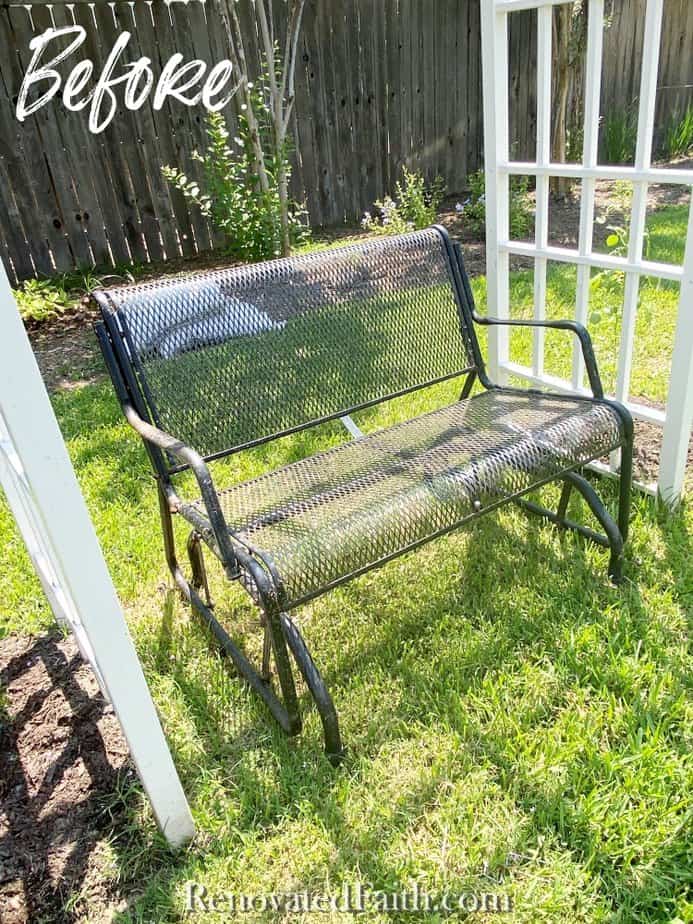
Ornate black iron chairs develop flaking paint and rust bleeding through scrollwork. This method preserves original finishes.
Repair Rust Spots in 4 Steps
- Remove flakes: Gently dislodge loose paint with plastic scraper
- Treat rust: Apply naval jelly with cotton swab (5-minute max exposure)
- Neutralize: Rinse thoroughly with water—residue causes new rust
- Seal: Apply automotive paste wax to treated areas (prevents moisture ingress)
Critical: Never sand entire surfaces—only spot-treat rust. Full stripping requires professional powder-coating respray.
Eliminate Aluminum Oxidation Without Etching
White oxidation patches on black aluminum patio sets signal exposure to humidity. Vinegar fixes this but requires precision timing.
Remove Chalky Spots in 90 Seconds
- Mix equal parts white vinegar and water in spray bottle
- Spray only on oxidized areas (avoid joints)
- Scrub gently with non-abrasive sponge for 60 seconds
- Immediately rinse with hose—vinegar left >2 minutes etches metal
Pro Tip: Prevent recurrence by applying automotive wax annually. The wax barrier repels pollen and moisture that cause oxidation.
Fix Powder-Coated Steel Chips Before Rust Spreads
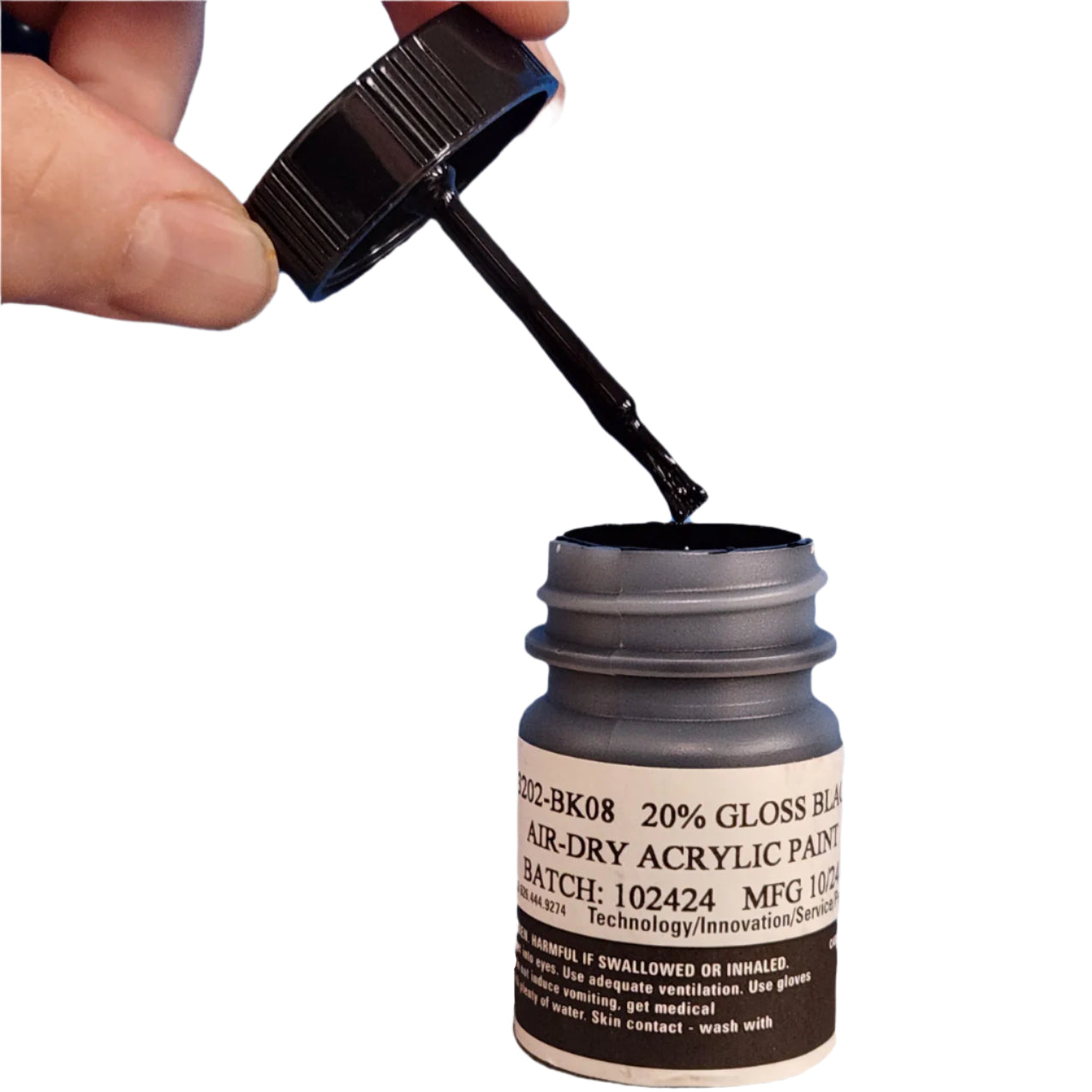
Those tiny silver-grey chips on your black steel frame will bleed rust within weeks. Stop corrosion before it stains cushions.
Touch-Up Protocol for Small Chips
- Clean area with rubbing alcohol on cotton swab
- Lightly sand chip edges with 320-grit paper (creates “feathered” border)
- Apply touch-up paint in two thin coats (RAL 9005 jet black)
- Seal with UV-resistant clear coat pen (dries in 2 hours)
Never drag furniture across concrete—it creates new chips within days. Lift pieces when moving.
Polish Stainless Steel Frames to Remove Salt Damage
Coastal homes face “tea-staining” on black stainless steel—a brownish film from salt exposure. This targets 304-grade steel (common in budget sets).
Monthly Salt Corrosion Treatment
- Make baking soda paste (3 parts soda : 1 part water)
- Rub along metal grain with soft-bristle brush
- Rinse immediately with vinegar-water solution
- Polish with dedicated stainless steel cream
Note: 316 marine-grade steel resists salt better but still requires monthly smudge removal with vinegar.
Safely Clean Galvanized Steel’s White Bloom
That cloudy white film on galvanized benches is alkaline bloom—a natural zinc reaction. Acidic cleaners destroy the protective layer.
Milk-Paste De-Clouding Method
- Mix 1 tablespoon baby powder + 2 tablespoons whole milk
- Rub paste onto affected areas with soft cloth
- Wipe clean with damp microfiber cloth
- Rinse with hot water and mild dish soap
Critical: Never use vinegar—it strips zinc protection, causing rapid rust. Stick to pH-neutral cleaners.
Seasonal Maintenance That Prevents Damage
Autumn Prep: Stop Winter Rust Before It Starts
- Deep-clean and completely dry all metal (use hair dryer in joints)
- Apply breathable water-resistant cover (never plastic tarps—they trap moisture)
- Elevate furniture 1+ inch off ground with rubber pads (prevents puddle corrosion)
Pro Tip: Store cast iron and chipped steel indoors. Aluminum, stainless, and galvanized can stay outside covered.
Spring Reactivation Checklist
- Tighten all bolts with anti-seize lubricant
- Replace worn foot glides (prevents ground moisture ingress)
- Apply UV-protective wax to aluminum frames
Quick Reference: Metal-Specific Do’s and Don’ts
| Metal Type | Do Immediately | Never Do | Annual Must-Do |
|---|---|---|---|
| Cast Iron | Wax rust spots after treatment | Pressure-wash | Full repaint of chips |
| Aluminum | Rinse oxidation within 1 hour | Use ammonia cleaners | Automotive wax coat |
| Powder-Coated Steel | Seal chips with clear coat | Drag across concrete | Touch-up high-wear areas |
| Stainless Steel | Wipe fingerprints with vinegar | Apply chlorine bleach | Polish along grain |
| Galvanized Steel | Clean with milk-paste solution | Use acidic cleaners | Hot water soap wash |
Final Prevention Tips for Long-Lasting Black Finish
Your black metal outdoor furniture’s lifespan hinges on three consistent habits: elevate, rinse, and inspect. Keep pieces raised off damp surfaces with rubber pads, rinse pollen and bird droppings within 24 hours, and check for chips monthly during active seasons. The moment you spot a scratch, seal it with touch-up paint—waiting allows rust to spread beneath the finish.
Remember: Prevention costs pennies, restoration costs dollars. A $5 can of automotive wax protects aluminum sets for a year, while neglected oxidation requires full refinishing. By following these metal-specific protocols, your black metal outdoor furniture will maintain its showroom depth and resist weather damage for decades. Start with a 20-minute weekly rinse routine this season, and you’ll skip the costly deep cleans next year.
