
How to Clean Pit Boss Smoker: Easy Steps
This post contains affiliate links. As an Amazon Associate, we earn from qualifying purchases.
You just pulled off a perfect smoked brisket from your Pit Boss, but now you’re facing the grim reality of grease-splattered walls, carbon-coated grates, and a fire pot overflowing with ash. Knowing how to clean Pit Boss smoker properly isn’t just about appearance—it directly impacts your next cook’s flavor quality and your smoker’s longevity. The good news? Effective cleaning doesn’t require expensive specialty products or hours of backbreaking work. This guide reveals the exact methods Pit Boss owners use to restore their smokers to like-new condition using affordable, proven techniques that actually work.
Whether you’re dealing with heavy buildup after a weekend cook-off or just maintaining your smoker after weekly sessions, you’ll discover the burn-off method that eliminates 90% of residue automatically, the $3 cleaner that works like magic, and the weekly 15-minute routine that prevents deep cleaning sessions altogether. Forget complicated procedures—these actionable steps deliver professional results without breaking the bank.
Burn-Off Method for Deep Cleaning
The burn-off process eliminates the majority of cleaning work by turning grease and residue into easily removable ash. This technique alone removes most buildup without chemical cleaners or scrubbing, making your how to clean Pit Boss smoker routine significantly faster.
When to Perform Burn-Off
Execute this critical step immediately after any cook involving fatty meats like brisket or pork shoulder, sauces that drip, or sessions exceeding four hours. Don’t wait—grease hardens as it cools, making removal much more difficult later. If you notice visible grease accumulation on interior surfaces during your cook, plan for a burn-off session.
Burn-Off Step Process
- Increase temperature to 400-450°F immediately after removing food—don’t let the smoker cool first
- Close lid and maintain temperature for 15-20 minutes while you handle your cooked meat
- Watch the top vent for smoke cessation—this visual cue indicates complete residue incineration
- Allow complete cooling before proceeding with mechanical cleaning steps
Pro tip: Start the burn-off while you’re carving and serving food. The smoker cools while you eat, making cleanup timing perfect. This single step reduces your overall cleaning time by up to 75% compared to tackling cold, hardened grease.
Essential Cleaning Products That Work
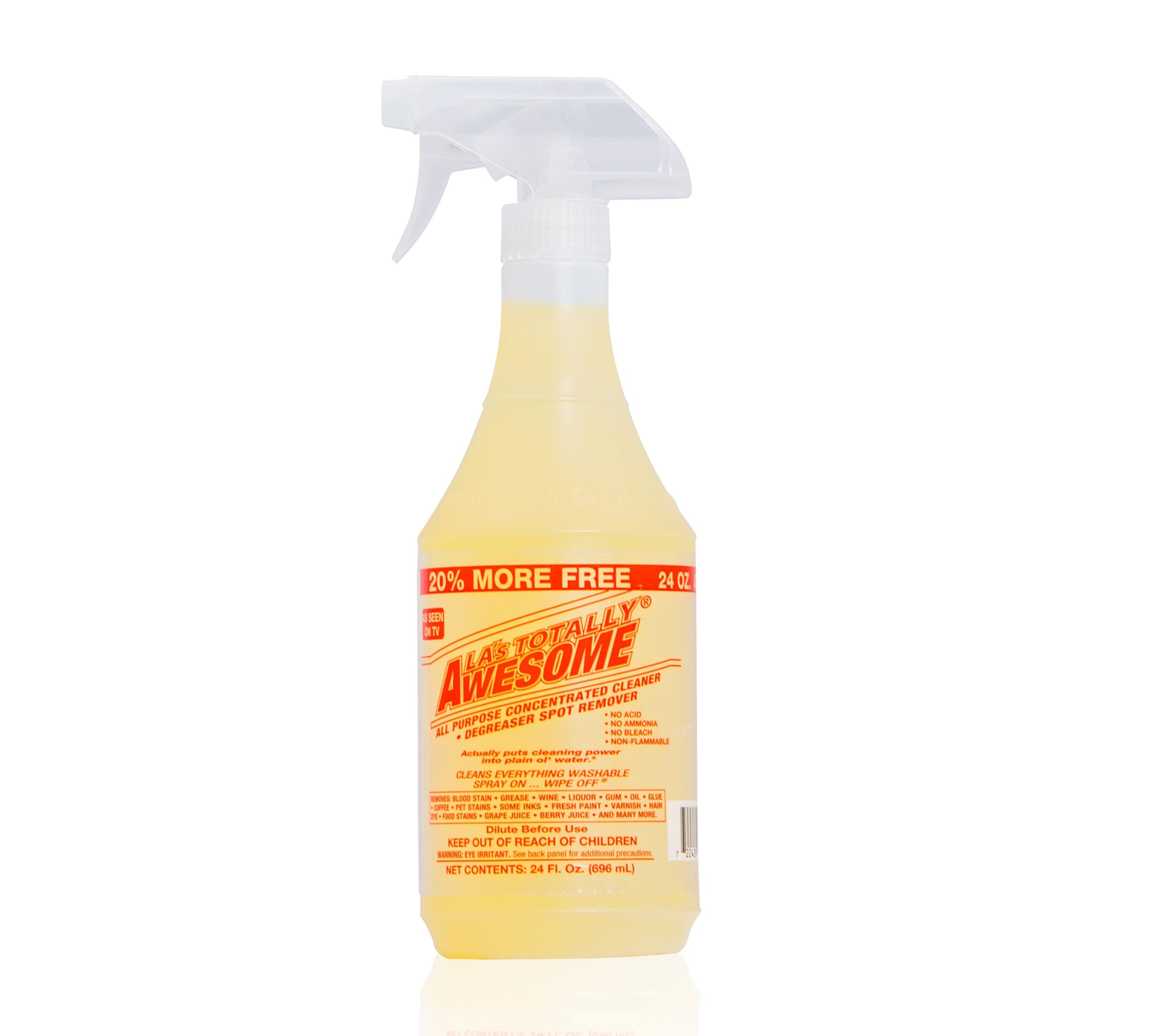
Skip the expensive specialty cleaners marketed specifically for smokers—smart Pit Boss owners use these proven, affordable alternatives with superior results.
LA’s Totally Awesome Cleaner
Where to buy: Dollar General, Family Dollar stores
Price: $3.75 for 64 oz (versus $15.99 on Amazon)
Application: Transfer to spray bottle for precise application
Best for: Interior walls, glass doors, temperature probes
This cleaner works almost like magic on carbonized residue without damaging surfaces. Spray it on cooled surfaces, let it dwell for 5-10 minutes, then wipe clean with paper towels. For glass doors, apply directly and watch baked-on grease dissolve before your eyes.
Weber Grate & Grill Cleaner
Availability: Now found at Lowe’s (previously Weber-direct only)
Performance: Superior to competitors based on user testing
Format: Kit with brush and cleaner
This professional-grade cleaner tackles stubborn buildup on grates and interior surfaces. Apply generously, let it sit for 10 minutes, then use the included brush for mechanical removal. The formula penetrates carbon deposits that ordinary cleaners can’t touch.
Grate Cleaning Made Simple

Dirty grates ruin food flavor and cause sticking. These techniques restore cooking surfaces without damage—critical for maintaining consistent heat distribution.
Deep Cleaning Method
- Remove grates after complete cooling
- Soak in plastic tote filled with hot water and dish soap for 30 minutes
- Scrub with plastic brush to remove loosened debris—never use metal on porcelain-coated surfaces
- Rinse thoroughly and dry completely before reinstalling
Avoid: Steel wool or metal brushes on porcelain-coated grates—they cause permanent damage that leads to rust and uneven cooking.
Quick Maintenance Clean
- Wire brush immediately after burn-off while grates are warm but not hot
- Wipe with paper towel to remove ash residue
- Light spray of LA’s Totally Awesome for stubborn spots
This 5-minute routine after each cook prevents the need for deep cleaning sessions.
Interior Surface Deep Clean
Your how to clean Pit Boss smoker process must address different interior areas with specific techniques for optimal results.
Fire Pot Maintenance
Tools needed: Portable vacuum, plastic putty knife
1. Remove cooking grates and heat diffuser
2. Vacuum all ash from fire pot using shop vac
3. Scrape heavy buildup with plastic putty knife—never metal tools that could damage components
4. Check for pellet dust in auger tube opening
Interior Walls and Ceiling
Technique: Leaf blower method for efficient debris removal
1. Position smoker at driveway edge
2. Open door toward yard to contain debris
3. Use leaf blower on low setting to clear dust and ash from hard-to-reach areas
4. Wipe remaining residue with LA’s Totally Awesome on paper towel
This method safely removes loose debris without forcing particles into electrical components.
Preventive Maintenance Routine
Stop major cleaning sessions before they start. These simple habits reduce your how to clean Pit Boss smoker time by 75%.
Weekly 15-Minute Protocol
After every cook:
1. Burn-off cycle (8-10 minutes)
2. Quick wire brush of grates (2-3 minutes)
3. Empty fire pot if needed (3-4 minutes)
4. Wipe exterior spots (2 minutes)
This routine takes less time than cleaning your kitchen after dinner but pays off with years of reliable performance.
Visual Inspection Triggers
Clean immediately when you notice:
– Glass door visibility compromised below 50%
– Temperature probe readings fluctuate unexpectedly
– Smoke flavor becomes bitter or chemical-like
– Grease accumulation exceeds 1/8 inch on interior surfaces
Tools That Make Cleaning Easy
The right tools transform cleaning from dreaded chore to quick routine. These essentials cost less than one specialty cleaner.
Must-Have Cleaning Kit
- Wire brush: For grates post-burn-off
- Plastic putty knife: Heavy buildup removal without surface damage
- Spray bottles: Zep brand from Lowe’s for durability
- Plastic tote: 18-gallon for grate soaking
- Portable vacuum: Shop vac for ash removal
- Leaf blower: Variable speed for interior cleaning
Total investment: Under $30 for complete cleaning arsenal that works better than $50 specialty kits.
Common Cleaning Mistakes to Avoid
Learning from others’ mistakes saves time, money, and prevents smoker damage.
Product Warnings
Never use:
– Convertible top cleaner—high cost, zero effectiveness confirmed
– Steel wool on porcelain surfaces—causes permanent scratches
– Bleach-based cleaners—corrodes metal components
– Pressure washers—forces water into electrical components
Time-Wasting Methods to Skip:
– Cold water on hot surfaces—causes thermal shock
– Oven self-cleaning cycle—damages temperature sensors
– Dishwasher cleaning—removes protective seasoning
Seasonal Deep Clean Schedule
Even with regular maintenance, your Pit Boss needs thorough cleaning 2-3 times yearly for optimal performance.
Spring Preparation Clean
Before first cook of season:
1. Complete disassembly of all removable parts
2. Deep soak grates and heat diffuser
3. Vacuum entire interior including auger housing
4. Inspect and clean temperature probes
5. Test all functions before first cook
This comprehensive cleaning ensures your smoker performs perfectly all season long.
Your Pit Boss smoker will reward consistent cleaning with better flavor, longer life, and fewer breakdowns. Start with the burn-off method after your next cook—it’s the 15-minute investment that prevents 2-hour cleaning marathons. Implement the weekly 15-minute routine, and you’ll never face a daunting deep clean session again. Remember that proper maintenance isn’t just about cleaning your Pit Boss smoker—it’s about protecting your investment and ensuring every cook delivers restaurant-quality results.
