
How to Clean Pollen Off Outdoor Furniture
This post contains affiliate links. As an Amazon Associate, we earn from qualifying purchases.
That yellow film coating your patio furniture isn’t just unsightly—it’s a ticking time bomb for stubborn stains. When morning dew hits dry pollen, a chemical reaction begins that transforms harmless dust into permanent discoloration on your outdoor surfaces. Before you grab the nearest cleaner and risk damaging your furniture finishes, discover the methodical approach that removes pollen without spreading allergens or harming your investment.
You’re about to learn exactly which techniques work for your specific furniture materials, the cleaning solutions that dissolve pollen instead of just pushing it around, and prevention strategies that keep your outdoor spaces usable throughout allergy season. Stop battling the yellow menace and start enjoying your patio again with these professional-grade pollen removal techniques.
Essential Safety Gear for Pollen Season
Pollen isn’t merely messy—it’s a potent allergen that can trigger respiratory issues and skin reactions during cleaning. Before touching your furniture, protect yourself properly to avoid becoming part of the allergy statistics that spike during pollen season.
Protective Equipment Checklist
- N95 respirator: Standard dust masks won’t filter microscopic pollen particles effectively
- Nitrile gloves: Prevent skin contact with both pollen and cleaning chemicals
- Safety glasses: Shield eyes from airborne particles during dry removal
- Long-sleeved clothing: Minimize exposed skin when working in pollen-heavy areas
Pre-Cleaning Workspace Setup
Position furniture away from active pollen sources like blooming trees or flowering shrubs. Work on a concrete surface you can rinse afterward—never clean pollen-covered furniture on grass where particles will immediately resettle. Check manufacturer labels on every piece before starting; harsh cleaners can void warranties on premium outdoor sets. Consult your furniture’s care instructions to avoid damaging finishes during the pollen removal process.
Quick Dry Removal Before Wet Cleaning
Dry pollen removal prevents the chemical reaction that creates permanent stains when moisture mixes with pollen residue. This critical first step determines whether you’ll have a quick cleanup or a weekend-long restoration project.
Initial Dust-Off Technique
Start with a dry microfiber cloth for smooth surfaces like tabletops and chair arms. Work in straight lines, folding the cloth frequently to avoid redistributing pollen. For textured surfaces like wicker or carved wood, use a soft-bristled brush to dislodge pollen from crevices without scratching finishes. This initial dry removal step is essential when you want to clean pollen off outdoor furniture properly.
Vacuum Strategy for Fabric Surfaces
Remove cushions and fabric elements first. Use your vacuum’s upholstery attachment with firm, overlapping strokes. Pay special attention to seams where pollen accumulates in concentrated lines. This prevents the wet cleaning phase from creating muddy pollen stains that penetrate deeper into fabric fibers. Vacuuming before wet cleaning significantly improves your results when trying to clean pollen off outdoor furniture.
Best Cleaning Solutions for Each Material
Different furniture materials react uniquely to pollen exposure. Using the wrong cleaner can etch glass, strip wood finishes, or corrode metal surfaces. Here’s the exact approach for your specific furniture type.
Wood Furniture Cleaning Protocol
Light Pollen Film
- Mix 1 gallon warm water with 1/4 cup mild dish soap
- Dip soft cloth in solution, wring until barely damp
- Wipe with the wood grain, not against it
- Rinse cloth frequently to prevent pollen redistribution
- Dry immediately with clean microfiber cloth
Stubborn Yellow Stains
Create a baking soda paste using 3 parts baking soda to 1 part water. Apply to stained areas with a soft brush, working in circular motions. Let sit 15 minutes, then rinse thoroughly. This neutralizes the acidic compounds in pollen that cause discoloration without bleaching wood finishes.
Metal and Glass Surface Solutions
Aluminum and Wrought Iron
Pollen becomes corrosive when wet on metal surfaces. After initial dry removal:
1. Wash with mild soap solution using soft sponge
2. Rinse completely—any soap residue attracts more pollen
3. Dry thoroughly to prevent oxidation
4. Apply car wax for 6-month protection against future pollen adhesion
Glass Tables and Surfaces
Pollen etches glass if left to bake in sunlight. Use this vinegar solution:
– 1/4 cup white vinegar
– 2.5 cups distilled water
– 2 drops dish soap
Spray liberally, let sit 60 seconds, then wipe with microfiber cloth in straight lines. Avoid circular motions that create static electricity, attracting more pollen.
Fabric and Cushion Deep Cleaning
Cushions and upholstery trap pollen deep within fibers, becoming allergen reservoirs that trigger symptoms every time you sit down. Here’s how to eliminate pollen completely without damaging outdoor fabrics.
Removable Cover Method
- Shake vigorously outdoors to remove loose pollen
- Spot treat visible stains with enzyme-based stain remover
- Machine wash on cold with gentle detergent
- Air dry completely—never use machine drying on outdoor fabrics
- Reinstall only after both covers and cushions are 100% dry
Non-Removable Upholstery Cleaning
For cushions that can’t be removed from frames:
1. Vacuum thoroughly using crevice tool around all seams
2. Mix cleaning solution: 1 teaspoon Borax + 1 teaspoon dish soap + 1 quart warm water
3. Apply with spray bottle, saturating fabric evenly
4. Work solution in with soft brush or cloth
5. Let dwell 10-15 minutes to break down pollen proteins
6. Rinse with clean water using garden hose on gentle spray
7. Prop cushions on edge to air dry completely
Wicker and Rattan Special Care

Traditional wicker requires gentle handling—its woven structure traps pollen in thousands of tiny spaces while harsh cleaning methods can unravel fibers or cause permanent damage.
Safe Wicker Cleaning Steps
- Use soft-bristled brush to loosen pollen from weave intersections
- Mix mild soap solution in spray bottle
- Mist lightly—never saturate, as excess moisture causes mold
- Brush gently following the weave pattern
- Rinse with low-pressure hose held 2 feet away
- Air dry completely in sunlight, rotating to ensure even drying
Critical warning: Never use pressure washers on wicker—the force can shred natural fibers and blast apart synthetic weaves when you attempt to clean pollen off outdoor furniture.
Prevention Strategies That Actually Work
The most effective pollen defense happens before the yellow dust arrives. These proven methods reduce cleaning frequency while keeping your outdoor spaces usable throughout allergy season.
Physical Barriers
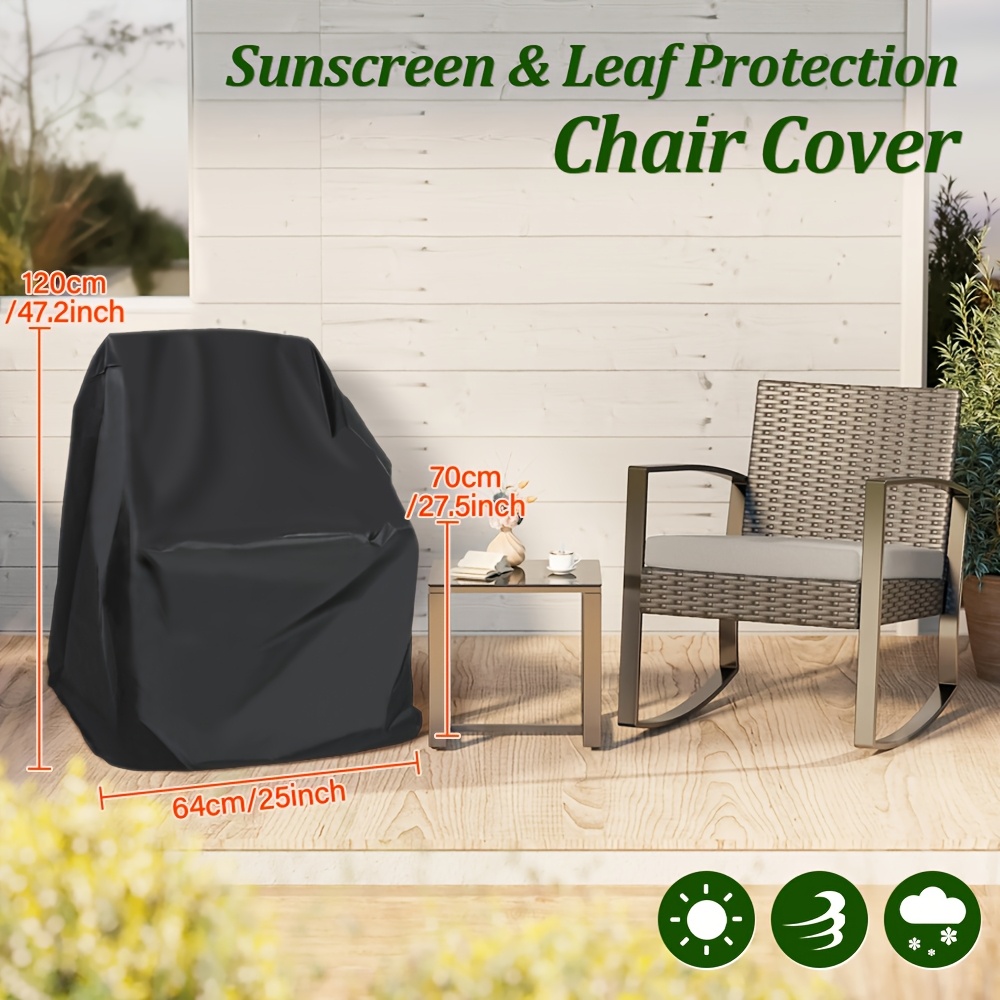
Furniture covers provide the simplest protection when furniture isn’t in use. Choose breathable, water-resistant covers that fit snugly to prevent pollen infiltration. Clean covers monthly by spraying with garden hose and air drying—much easier than deep-cleaning furniture.
Indoor storage for cushions and fabric elements eliminates 90% of pollen-related cleaning. Designate a plastic storage bin or indoor shelf specifically for outdoor cushions during peak pollen weeks.
Protective Coatings
Apply these protective treatments at the start of pollen season:
– Wood: Thompson’s WaterSeal or similar exterior sealant
– Metal: Car wax creates a slick surface pollen can’t adhere to
– Wicker: Lemon oil application repels pollen while conditioning fibers
– Fabric: Scotchgard or similar fabric protector spray
Maintenance Schedule
Daily: Quick dry wipe-down prevents pollen accumulation
Weekly: Light soap wash maintains protective coatings
Monthly: Deep clean with appropriate methods for each material
End of Season: Thorough cleaning and reapplication of protective treatments
Quick Reference Cleaning Chart
| Material | First Action | Cleaning Solution | Drying Method | Avoid |
|---|---|---|---|---|
| Wood | Dry wipe | Soap & water | Immediate towel dry | Pressure washer |
| Aluminum | Hose rinse | Car wax after cleaning | Air dry thoroughly | Steel wool |
| Plastic | Soap wash | Vinegar for stains | Air dry | Abrasive cleaners |
| Wicker | Soft brush | Mild soap mist | Sun dry completely | Saturation |
| Fabric | Vacuum first | Borax solution | Prop to air dry | Machine drying |
| Glass | Vinegar spray | Microfiber cloth | Buff dry | Ammonia products |
Troubleshooting Common Problems
Pollen Stains Won’t Budge
If stains persist after standard cleaning, the pollen has chemically bonded with the surface. Create a stronger solution using 1 part enzyme cleaner to 3 parts water. Apply with soft brush, let sit 20 minutes, then scrub and rinse. This breaks down the organic compounds causing discoloration when you’re trying to clean pollen off outdoor furniture.
Allergic Reactions During Cleaning
If you experience symptoms despite protective gear, switch to evening cleaning when pollen counts drop. Work in sections, taking breaks indoors between furniture pieces. Consider hiring professional services for large furniture sets if symptoms persist.
Water Spots on Metal After Cleaning
Hard water leaves mineral deposits that attract more pollen. Use distilled water for final rinses on metal surfaces, or dry immediately with microfiber cloth to prevent spotting.
Your outdoor furniture should enhance your enjoyment of spring and summer, not become another source of seasonal frustration. With these targeted cleaning methods and prevention strategies, you’ll spend more time relaxing and less time battling the yellow menace. Start with the dry removal technique for immediate relief, then implement the prevention schedule to minimize future cleaning needs. By following these precise steps to clean pollen off outdoor furniture, you’ll protect your investment and reclaim your outdoor living space during peak pollen season.
