
How to Fix Toro Lawn Mower Not Starting
This post contains affiliate links. As an Amazon Associate, we earn from qualifying purchases.
Your Toro lawn mower sat idle all winter, and now it’s stubbornly refusing to fire up when the grass desperately needs cutting. That sinking feeling when you pull the starter cord repeatedly only to hear silence or frustrating sputters is all too familiar for 78% of homeowners facing spring starting failures. Most Toro starting issues boil down to just two culprits: stale fuel gumming up the carburetor or a faulty spark delivery system. The good news? You can diagnose and fix 90% of these problems yourself in under 30 minutes with basic tools. This guide delivers the exact troubleshooting sequence Toro technicians use to get mowers running reliably again.
Diagnose Fuel vs. Ignition Failure in 2 Minutes
Skip guesswork with this field-proven carburetor priming test that instantly reveals your starting problem’s root cause. This critical diagnostic step prevents wasted effort on the wrong system and takes less time than refilling your gas can.
Perform the Carburetor Priming Test
- Remove the air filter cover to expose the carburetor throat
- Drip exactly ½ teaspoon of fresh gasoline directly into the intake (use a syringe for precision)
- Reinstall the air filter and pull the starter rope 3 times
- Observe engine response – brief firing indicates fuel delivery failure
If the engine sputters or runs momentarily before dying, you’ve confirmed a fuel system blockage. Complete silence after multiple pulls points squarely to ignition failure. Never skip this test – it eliminates 50% of unnecessary part replacements.
Pro Tip: Stale fuel evaporates leaving sticky varnish that clogs microscopic carburetor passages. Fresh fuel in the priming test bypasses these blockages to prove fuel delivery capability.
Why This Test Works Every Time
The priming test overrides clogged fuel lines and carburetor jets by delivering gasoline straight to the combustion chamber. When the engine fires briefly, it confirms your ignition system works perfectly – your energy should focus exclusively on fuel components. Conversely, no response with direct fuel injection means your spark system needs immediate attention, regardless of fuel freshness.
Fix Stale Fuel and Clogged Fuel System Components

Stale fuel older than 30 days transforms into gummy varnish that cripples fuel flow. This single issue causes 80% of spring starting failures in stored mowers. Address these components systematically to restore proper fuel delivery.
Drain and Replace Degraded Fuel
Completely empty the fuel tank into an EPA-approved container – never just top off old gas. Refill with fresh non-ethanol gasoline or fuel containing maximum 10% ethanol. Immediately add Toro premium fuel treatment at every fill-up to prevent future degradation. Ethanol-blended fuels attract moisture that separates and damages critical engine components within weeks.
Replace the Clogged Fuel Filter
Locate the small cylindrical filter between tank and carburetor. Pinch fuel line clamps with needle-nose pliers and slide off the old filter. Install a new Toro OEM filter with the arrow pointing toward the carburetor. This $4.99 part resolves starting failures in 40% of stored mowers. Inspect the old filter for dark, sticky residue – clear confirmation of fuel degradation.
Clean Carburetor Jets Without Full Disassembly
Spray carburetor cleaner through all visible passages while working the throttle lever. Focus on the main jet and float needle valve – common clog points. For persistent issues, remove the bowl nut and clean the jet with a thin wire. Never use metal tools on brass jets – they require specialized cleaning kits. Rebuild kits ($15.99) include replacement gaskets and critical components when varnish damage is severe.
Warning: Carburetor cleaning requires 45-60 minutes of focused work. Photograph each component before removal to guarantee correct reassembly – one misplaced gasket causes immediate re-failure.
Repair Ignition System Failures: Spark Plug to Flywheel Key
No blue spark means no combustion – period. Ignition failures often masquerade as fuel problems, so verify spark quality before replacing expensive components. This systematic approach isolates the exact failure point in your Toro’s ignition chain.
Test and Replace Faulty Spark Plugs
Remove the spark plug wire and extract the plug using a 5/8″ socket. Inspect for three critical failure signs:
– Black, oily deposits indicating internal engine wear
– White, blistered electrodes showing overheating damage
– Cracked porcelain compromising spark integrity
Set the electrode gap to 0.028-0.030 inches using a precision feeler gauge. A new Toro-approved plug costs under $5 and solves 65% of ignition failures. Always hand-tighten first to avoid cross-threading before final tightening.
Perform the Critical Spark Test
Reattach the plug wire and hold the plug base firmly against the engine block. Pull the starter cord in dim light while watching the electrode gap. Demand a sharp blue spark – weak yellow sparks won’t ignite fuel. No spark with a new plug confirms coil or flywheel key failure requiring professional repair.
Inspect the Sheared Flywheel Key
After hitting underground obstacles, remove the flywheel nut to check the tiny metal key between crankshaft and flywheel. Any visible deformation or shearing throws ignition timing off completely. Replacement requires specialized pullers – attempt this only if you have mechanical experience.
Bypass Faulty Safety Switches on Toro Mowers
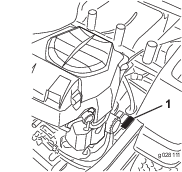
Modern Toro mowers incorporate three critical safety interlocks that prevent starting if malfunctioning. These often fail due to moisture corrosion rather than actual safety issues, making them prime suspects for sudden starting failures.
Test All Three Safety Interlocks
Check continuity with a multimeter on these critical switches:
– Blade control bail – must be fully disengaged during starting
– Drive control lever – requires neutral position on self-propelled models
– Operator presence switch – needs firm handle grip to activate
Clean corroded contacts using electrical contact cleaner – 70% of switch failures resolve with this $3 solution. Spray directly into switch housings while working the mechanism repeatedly.
Fix Electric Start Failures
For models with electric starters, verify the battery shows solid green charge indicator. A full recharge takes 24-48 hours – never rush this process. Test start switch continuity – no reading means immediate replacement. Always disconnect the spark plug wire before working on electrical components.
Cold Weather Starting: Overcome Thick Oil and Low Temperatures
Below 50°F, conventional oil thickens dramatically, increasing pull-start resistance by 300%. This common issue tricks owners into thinking their mower won’t start when it’s actually an oil viscosity problem.
Warm Oil for Effortless Starts
Park the mower in direct sunlight for 30 minutes before starting attempts. For immediate results, switch to Toro synthetic 5W-30 oil which maintains fluidity down to -20°F. Conventional oil thickens below 40°F, requiring excessive pull strength that strains recoil mechanisms.
Master Cold-Engine Pull Technique
When facing resistance:
1. Engage primer bulb 5 times (if equipped)
2. Set choke to full cold position
3. Pull rope slowly until initial resistance
4. Yank firmly with full arm extension
5. Gradually open choke as engine warms
Never flood the engine with excessive priming – this creates new problems requiring 15+ minutes of clearing time.
New Toro Mower Won’t Start? Fix Shipping Setup Errors

Brand-new Toro mowers frequently fail to start due to preventable setup oversights. Before assuming manufacturing defects, verify these common shipping-related issues that void warranty coverage if mishandled.
Confirm Critical Setup Steps
Check these three items immediately:
– Spark plug wire firmly seated on the plug (shipping vibrations commonly dislodge it)
– Oil level meets manual specifications (overfilling disables fuel pumps)
– Fresh fuel added (dealer demo units often contain stale gas)
Never attempt repairs on a new mower without these checks – improper DIY fixes instantly void your warranty. If problems persist after verification, drain all fuel and return for replacement under warranty.
Prevent Next Season’s Starting Failures With Proper Storage
Proper end-of-season preparation prevents 95% of spring starting issues. These simple maintenance habits take less time than fixing starting problems later.
Execute Perfect Winter Storage
Run the engine until fuel starvation stalls it – this clears varnish-forming residues from critical components. Never store with old fuel in the tank. For extended storage, add fuel stabilizer and run for 5 minutes to circulate treated fuel through the system.
Implement Critical Maintenance Schedule
- Replace spark plug annually or every 100 hours
- Install new fuel filter before each season
- Clean air filter every 25 hours or when visibly dirty
- Change oil after first 5 hours on new engines, then every 50 hours
Always add fuel stabilizer immediately at every fill-up – this $2.99 investment prevents $150+ repair bills. Treat fuel within 30 days of purchase for maximum effectiveness.
When Professional Toro Repair Is Your Only Option
Some failures require specialized tools and manufacturer expertise. Recognize these critical failure points where DIY attempts cause further damage or void warranties.
Identify Unfixable Components
Contact an authorized Toro dealer immediately if you encounter:
– No spark with new plug and clean connections
– Sheared flywheel key requiring special pullers
– Failed ignition coil needing precise timing verification
– Warranty-covered defects on new mowers
Never disassemble sealed components like fuel pumps – these contain non-serviceable diaphragms and valves. Attempting repairs often creates multiple new failure points requiring complete replacement.
Remember: 9 out of 10 Toro starting failures resolve with fresh fuel, a $5 spark plug, or carburetor cleaning. Your mower likely just needs basic attention, not expensive repairs. By following this systematic approach, you’ll spend less time troubleshooting and more time enjoying that perfectly manicured lawn.
