
How to Stop a Charcoal Grill Safely
This post contains affiliate links. As an Amazon Associate, we earn from qualifying purchases.
You’ve just finished cooking perfect burgers, the guests are happy, and the last bite is gone—but your charcoal grill still glows with heat. Knowing how to stop a charcoal grill properly isn’t just about convenience; it’s critical for safety, equipment longevity, and saving money on fuel. Improper extinguishing causes thousands of grill fires annually, while smart shutdown techniques preserve nearly half your charcoal for next time. Whether you’re dealing with a standard kettle grill or a high-end Kamado, this guide delivers the precise methods professionals use to extinguish charcoal safely and efficiently.
Most grill owners make the mistake of rushing the shutdown process or using dangerous shortcuts that risk fire or damage expensive equipment. The right approach depends on your situation—whether you need to leave immediately, want to save unused charcoal, or simply ensure your backyard remains safe while coals cool overnight. Following these proven techniques protects your investment, prevents neighborhood emergencies, and keeps your grill ready for its next use.
Close All Vents Immediately to Suffocate the Fire
Cutting off oxygen supply remains the gold standard for how to stop a charcoal grill without damaging your equipment or wasting fuel. This method works because charcoal requires constant oxygen flow to maintain combustion—seal all openings, and the fire dies naturally while preserving usable charcoal for future cooking sessions.
Seal Every Vent Without Missing Critical Openings
Begin by closing the top vent completely—rotate the wheel until no airflow passes through. Next, slide the bottom damper fully shut to block the primary oxygen source that feeds the fire from beneath. Lower your grill lid firmly and ensure it latches securely to prevent accidental opening. Finally, inspect the grill’s perimeter for any gaps where air might seep in, particularly around worn gaskets or damaged seals that compromise the oxygen deprivation process.
Realistic Cooling Timeline Expectations
Small charcoal loads typically extinguish completely within 12-18 hours using this method, while average weekend cookouts require about 24 hours for full cooling. If you’re using a heat-retentive ceramic Kamado grill with a large charcoal quantity, plan for up to 48 hours before handling. Grill master Brandon Roy emphasizes: “Close the dampers immediately after cooking, and you’ll likely have unused charcoal ready for next time.” Waiting even five extra minutes wastes precious fuel you could save.
Rapid Cooling Protocol for Time-Sensitive Situations

When you need to leave immediately—perhaps for an emergency or scheduled event—this transfer method provides safe mobility without risking fire hazards or damaging your primary grill.
Essential Gear for Emergency Cooling
Gather these critical items before starting: insulated barbecue gloves rated for 500°F+, long metal tongs, a small metal trash can with tight-fitting lid, and a metal scoop or shovel. Store these in a labeled bucket near your grill so you never waste time searching during urgent situations. Never attempt rapid cooling without proper heat protection—glowing coals exceed 600°F and cause severe burns instantly.
Step-by-Step Transfer Process
Don your insulated gloves completely before approaching the grill. Using metal tongs, carefully scoop glowing coals into your metal container, packing them tightly to minimize air pockets that sustain combustion. Seal the lid immediately to create superior oxygen deprivation. Wait at least 30 minutes before attempting to move the container, then perform the touch test—only when completely cool to the touch is it safe for transport. Never place a warm container in your vehicle; hot metal can ignite upholstery or damage surfaces.
Water Method: Conditional Use Only
While many reach for water instinctively, this approach should serve as an absolute last resort due to significant risks to both safety and equipment.
When Water Might Be Necessary
Reserve water application for true emergencies where no other options exist, or when disposing of coals in a designated fire pit where steam dissipates safely. In these rare cases, stand upwind to avoid steam burns, pour water slowly in a thin stream, and gently stir coals with a long tool between additions. Back away after each pour to avoid sudden steam bursts, and expect ashy sludge requiring thorough cleanup.
Critical Equipment Damage Risks
Water causes severe damage to quality grills—thermal shock can crack ceramic Kamados, rapid cooling warps metal components, and moisture creates rust that shortens your grill’s lifespan. Kingsford® specifically warns that their briquets contain additives that react poorly with water, creating additional hazards. Never use water inside your primary grill unless facing an immediate fire emergency where safety outweighs equipment concerns.
Verify Complete Cooling Before Handling
Never trust appearances—glowing embers often hide beneath gray ash, creating false confidence that leads to dangerous mistakes.
Three-Point Safety Verification System
Hold your palm six inches above the coals—any detectable warmth means continued cooling time is needed. Perform a visual scan in daylight to identify any hidden red spots indicating active combustion. Finally, check ash color—uniform gray-white with no black centers confirms complete extinguishment. Rushing this verification causes countless accidents when grill owners mistakenly believe coals are cold.
Save Reusable Charcoal for Future Cookouts
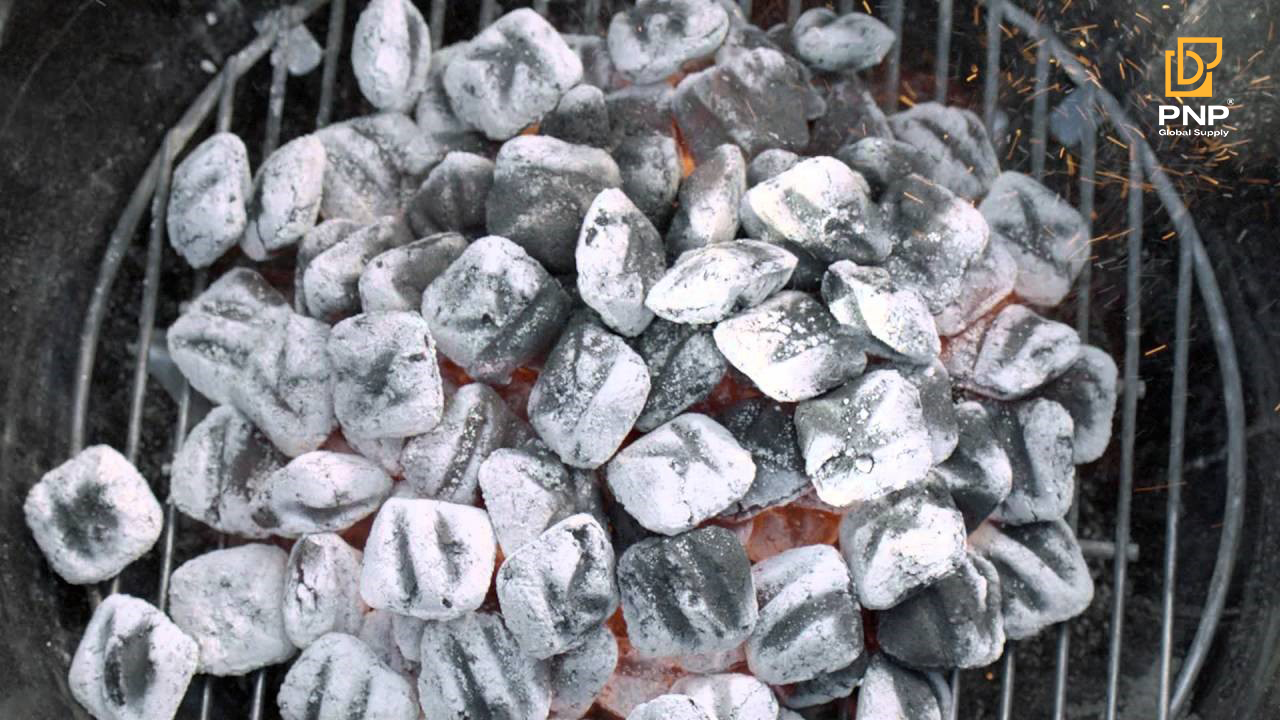
Proper shutdown techniques preserve 30-50% of your charcoal investment, delivering immediate cost savings for your next grilling session.
Recovery Process for Partially Burned Coals
After complete cooling (typically 24 hours), use metal tongs to sift through ashes and select solid chunks larger than a walnut. Return these usable coals to your grill for storage—no special containers needed. For your next cookout, layer fresh charcoal on top of saved coals for faster ignition and reduced fuel consumption. This technique works best when you’ve used the oxygen deprivation method rather than water extinguishing.
Safe Ash Disposal Protocols
Even cold ashes retain heat for days and require careful handling to prevent secondary fires during disposal.
Foolproof Disposal Procedure
Confirm 100% cooling through the three-point verification system before handling. Scoop cooled ashes into aluminum foil, double-wrapping for security. Place the wrapped package in a dedicated metal container stored outside—never use combustible trash bags. Remember that Kingsford® briquet ashes contain non-organic additives that resist breakdown, making them unsuitable for composting despite claims about wood charcoal benefits.
Equipment Protection During Cooling
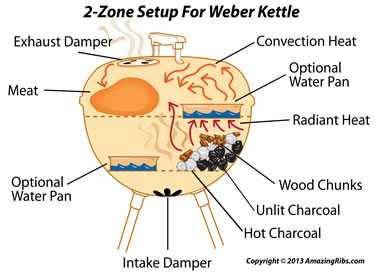
Your grill deserves proper care during the cooldown phase to maximize its lifespan and performance.
Kettle Grill Specific Protocol
After confirming coals have fully extinguished, open bottom vents to accelerate cooling. Hang the lid on its side hook to promote airflow through the grill chamber. Only apply protective covers once the grill is completely cool to touch—covering while warm traps residual heat and moisture that damage materials over time. Check rubber gaskets periodically for heat damage that compromises future oxygen deprivation efforts.
Critical Safety Gear Checklist
Before attempting any charcoal shutdown procedure, verify you have these essential safety items:
- Insulated gloves rated for 500°F+ temperatures
- 12-inch metal tongs for safe coal handling
- Metal shovel or scoop specifically for ash removal
- Small metal container with tight-fitting lid
- Aluminum foil for secure ash containment
Store these items together in a labeled bucket near your grill—no hunting for critical safety gear when time matters most. Never attempt charcoal shutdown without proper protection; the consequences of even momentary contact with hot coals can be life-altering.
Common Mistakes That Start Grill Fires
Learn from others’ costly errors to protect your property and safety.
Absolute Prohibitions to Remember
Never dispose of hot coals in plastic bags—radiant heat melts containers and ignites surrounding materials. Never store cooling grills near wooden decks or structures; radiant heat travels farther than most realize. Never leave your grill unattended during cooling near flammable materials. One documented incident shows a barbecue competition team losing their entire trailer when improperly cooled coals reignited during transport—a $20,000 lesson in patience.
Quick Reference Shutdown Guide
Standard method: Close all vents immediately + wait 24 hours = preserved charcoal + maximum safety
Emergency method: Metal container transfer + sealed lid = 30-minute mobility with proper verification
Never method: Water inside quality grills = permanent equipment damage + safety hazards
When in doubt, wait it out. Charcoal costs pennies per cookout compared to potential fire damage or grill replacement expenses. Master these shutdown techniques once, and every future grilling session ends safely with equipment protected and fuel preserved. Your neighbors will appreciate the fire safety, your wallet will thank you for saved charcoal, and your grill will reward you with decades of reliable service.
