
How to Fix Charcoal Grill Not Staying Lit
This post contains affiliate links. As an Amazon Associate, we earn from qualifying purchases.
Your ribs are marinating, guests are arriving in 15 minutes, and your charcoal grill just sputtered out—again. That sinking feeling when your fire dies mid-prep is the ultimate barbecue nightmare. When your charcoal grill won’t stay lit, it’s never just “bad luck.” Moisture-soaked briquettes, suffocating vents, or rookie stacking mistakes sabotage 90% of backyard fires. Stop relighting and start grilling with these field-tested fixes that revive dying coals in minutes.
Damp Charcoal Kills Fires Before They Start
Wet charcoal is public enemy number one for dying grills. Charcoal soaks up humidity like a kitchen sponge, trapping moisture deep in its pores where it sabotages ignition. If your briquettes look darker than fresh charcoal, crumble when squeezed, or refuse to develop that signature white ash coating, moisture’s already won the battle before you struck a match.
Spot Water-Damaged Briquettes in 10 Seconds
– Color test: Compare to fresh charcoal—damp briquettes appear unnaturally dark
– Squeeze test: Crumbles into dust between your fingers? Toss it immediately
– Smoke test: Produces thick, white smoke instead of clear heat waves
– Ash test: Fails to develop white ash within 20 minutes of lighting
Emergency Drying Protocol for Slightly Damp Charcoal
Spread questionable briquettes in direct sunlight on a baking sheet for 2–4 hours. Flip pieces every 30 minutes for even drying. Never use oven-drying—it risks spontaneous combustion. Reserve dried pieces for your fire base layer only; add questionable coals later once flames are established. If any briquette disintegrates during handling, pitch it—those won’t contribute meaningful heat.
Charcoal Storage That Actually Works
Transfer unused charcoal into 5-gallon food-grade buckets with gasket lids. In humid climates (70%+ humidity), toss in silica gel packs salvaged from shoe boxes. Critical mistake: Leaving charcoal in the original bag—even if “resealed.” Those plastic liners breathe moisture in days. Store containers in climate-controlled spaces only; basements and sheds guarantee dampness.
Clear Blocked Vents Before Lighting (Non-Negotiable!)
Fire lives or dies by oxygen flow—you’re literally starving your coals if vents are clogged. Ash buildup in bottom vents chokes the fire’s air supply, while grease-coated top vents prevent heat circulation. Rusty vent controls that stick shut are silent killers.
Vent Obstruction Red Flags
– Ash piles covering bottom vent slats
– Sticky or grinding resistance when adjusting vents
– Briquettes packed wall-to-wall with zero gaps
– Top vent coated in sticky grease residue
3-Minute Vent Emergency Clean
Before every cook, scrape bottom vents with a stiff wire brush. For stubborn ash, use a screwdriver to clear each slot vertically. Test vent movement—top and bottom vents should glide smoothly. Pro tip: After deep cleaning, rub cooking oil on metal vent parts to prevent future rust. Monthly, remove vent hardware entirely and soak in vinegar to dissolve mineral deposits.
Vent Positioning That Saves Your Cook
– Ignition phase: Top AND bottom vents wide open (no exceptions)
– Cooking phase: Adjust top vents only for temperature control; bottom vents stay 50% open minimum
– Emergency revival: Fan dying coals with cardboard while vents blast open
– Never close bottom vents during cooking—this suffocates the fire’s heart
Use Only Premium Charcoal (Skip Bargain Briquettes)
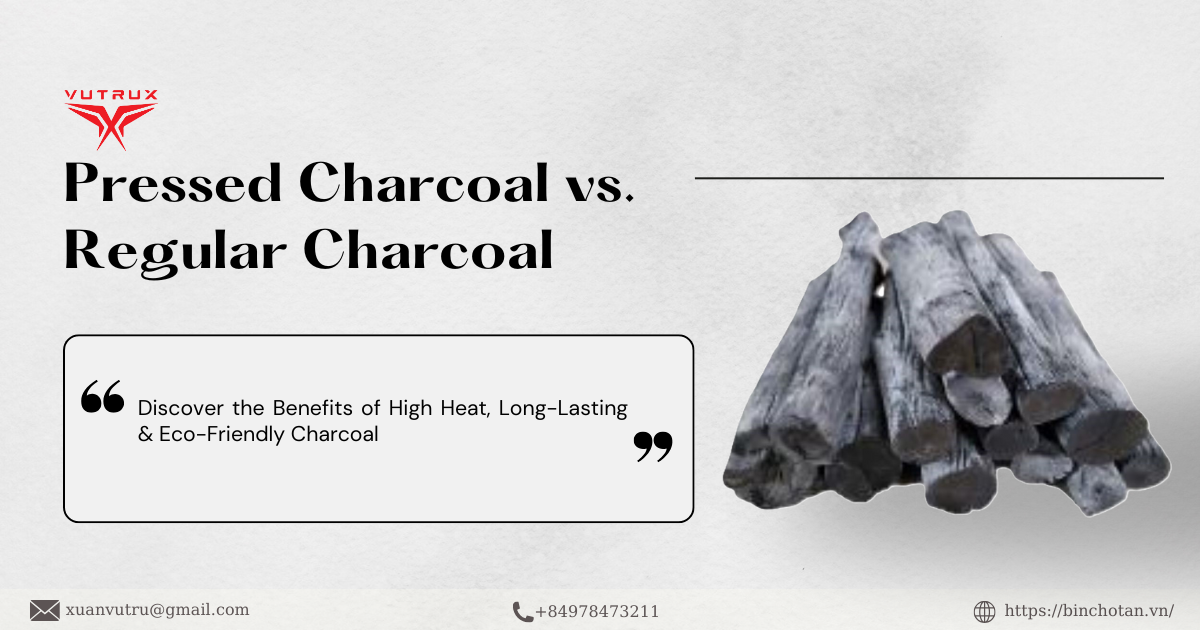
Cheap charcoal contains limestone fillers and starch binders that smother flames. High-quality briquettes like Kingsford or Royal Oak pack dense carbon that sustains 500°F+ heat for 60 minutes. Lump charcoal ignites faster but burns hotter and shorter—ideal for quick sears.
Charcoal Quality Field Test
| Feature | Premium Charcoal | Bargain Charcoal |
|——————|————————|————————|
| Surface Texture | Smooth, uniform | Cracks, uneven surface |
| Bag Dust | Minimal (less than 10%)| Excessive fine powder |
| Heat Duration | 45-60 minutes steady | Dies in 20-30 minutes |
| Ash Color | Consistent white | Gray/black streaks |
Ignition Hack for Any Charcoal
Place 2 crumpled sheets of newspaper under your charcoal pyramid. Light the paper in 3 spots, not just one. This creates multiple ignition zones that merge into a self-sustaining fire. Never douse charcoal with lighter fluid—just 1 tablespoon per pound max, soaked for 2 minutes before lighting.
Stack Charcoal Like a Pitmaster (Not a Pile)

Flat layers of briquettes create dead zones where coals can’t breathe. Air must flow through the pile, not just around it. The pyramid method creates natural convection currents that feed oxygen to the fire’s core.
Perfect Charcoal Stack Blueprint
1. Build a 6-inch tall pyramid (not a square!) with intentional finger-width gaps between briquettes
2. Place your ignition source (chimney starter or newspaper) dead center
3. Light only the bottom layer—heat rises to ignite upper coals
4. Critical: Wait 15-20 minutes until 80% of coals have white ash coating
Rushing This Step Kills Your Fire
Spreading coals before full ash coverage drops temperatures below 300°F—the “death zone” where charcoal won’t sustain combustion. You’ll see stubborn black chunks that never glow red. Patience pays off: fully ashed coals maintain 500°F+ for consistent searing.
Lid Management: When to Close (and When It Kills Fire)
Slamming the lid shut during ignition is the most common fire-killing mistake. Oxygen-starved flames suffocate in seconds. The lid’s job is to trap heat after the fire is established—not create it.
Lid Timing Cheat Sheet
– 0-20 minutes: LID STAYS OPEN—fire needs maximum oxygen
– 20+ minutes: Close lid only when coals are fully ashed (80% white coverage)
– Thin cuts (<1″): Keep lid open for quick searing
– Thick cuts (>1″): Close lid to create oven-like convection
Weatherproof Your Fire in Minutes
Humidity above 70% steals heat from your coals, while wind either fans flames or blows them out. Cold temperatures drain heat faster than your briquettes can produce it.
Emergency Weather Fixes
– Humid days: Add 25% more charcoal and extend preheat time by 10 minutes
– Windy conditions: Position grill sideways to wind flow; never place directly facing gusts
– Rain threats: Use a pop-up canopy—never grill under enclosed structures
– Cold weather (<50°F): Pre-light charcoal indoors using a chimney starter
Revive Dying Coals in 5 Minutes (Mid-Cook Emergency)
When flames die while food’s on the grill, act fast. Don’t dump fresh coals directly onto cold briquettes—that creates temperature shock.
Fire Revival Protocol
1. Open ALL vents fully immediately
2. Move food to cooler grill zone (or a pan)
3. Clear ash from bottom vents with grill brush
4. Add 6-8 pre-lit briquettes from a chimney starter
5. Wait 5 minutes before resuming cooking
Never add lighter fluid to dying coals—it creates dangerous flare-ups. Instead, use a manual bellows or folded cardboard to force oxygen into the coals. Focus airflow on the sides of the pile, not the top.
Maintenance That Prevents 90% of Failures
Your grill’s vents and ash system need TLC before they fail. A 5-minute pre-cook check prevents mid-barbecue disasters.
Pre-Cook Checklist
– Scrape bottom vents clean with wire brush
– Verify top vents rotate smoothly
– Check charcoal storage for moisture
– Confirm chimney starter is empty of old ash
Post-Cook Must-Dos
– Empty ash pan immediately (retained ash traps moisture)
– Wipe grease from top vents with paper towel
– Store leftover charcoal in airtight container
– Oil vent mechanisms with cooking spray to prevent rust
Performance Benchmarks: Is Your Fire Healthy?

Stop guessing—measure your fire’s health with these indicators:
✅ Success Signs
– White ash covers 80%+ of coals within 20 minutes
– Sustains 450-600°F (test by holding hand 5″ above grates: 3-4 seconds max)
– Zero black charcoal visible after 30 minutes
– Consistent heat for 45+ minutes
❌ Emergency Warning Signs
– Black chunks persist after 30 minutes
– Temperature drops below 300°F repeatedly
– Fire dies despite fully open vents
– Excessive smoke after initial lighting phase
Bottom line: Your charcoal grill won’t stay lit because of moisture, suffocation, or impatience—not bad luck. Master these three fixes: store charcoal in sealed buckets with desiccant packs, clean vents religiously before lighting, and wait for full ash coverage before cooking. Implement one change today, and your next barbecue will stay lit from first steak to final burger. No more frantic relights—just perfect sear marks and happy guests.
