
Pit Boss Smoker Won’t Go Over 200: Quick Fix Guide
This post contains affiliate links. As an Amazon Associate, we earn from qualifying purchases.
That pork shoulder you planned for dinner? It’s still stubbornly below 160°F six hours in. Your holiday turkey requires an impossible 4 AM start time just to hit serving temperature by 2 PM. When your Pit Boss PBV3A1 smoker refuses to climb past 200°F, weekend barbecue dreams turn into all-day marathons that test food safety limits. This specific temperature ceiling plagues analog-dial PBV3A1 units manufactured between September 2022 and October 2024—transforming what should be a 12-hour pork shoulder cook into a 16-20 hour endurance test.
Unlike random malfunctions, this is a documented design limitation confirmed by electrical engineering analysis. While your smoker might have briefly hit 225°F during initial tests, it quickly settles into a 200-205°F ceiling that delivers rubbery poultry skin, extended danger zone exposure, and ruined meal timelines. The good news? Proper documentation leads to swift warranty resolution. Let’s diagnose your unit and salvage your next cook.
Confirm Your PBV3A1’s Power Draw Limitation

Before wasting time on ineffective fixes, verify whether you’re battling a component failure or inherent design flaw. This distinction determines your warranty success and prevents unnecessary part replacements.
Measure Actual Wattage With a Power Meter
Grab a $12 Kill A Watt meter from Amazon and plug your smoker directly into it. Crank the analog dial to MAX while monitoring the display. Critical interpretation:
– 1,650 watts + stuck at 200°F = Confirmed design flaw (no component failure)
– 1,400-1,500 watts + stuck at 200°F = Failing controller or heating element
– Wood chips igniting = Element maxed out (confirms design limitation)
Pro Tip: Test during cold ambient temperatures (<50°F). Lower outdoor temps exacerbate the limitation, making diagnosis more obvious. Record both wattage and ambient temperature for your warranty claim.
Cross-Check Temperature Readings
Your smoker’s built-in analog gauge lies consistently. Place a ThermoPro TP03 digital thermometer probe on the center rack, away from direct heat sources. Run an empty smoker test with a full water pan:
1. Set dial to MAX
2. Monitor digital thermometer until stabilized
3. Note actual temperature vs. analog gauge reading
Most users discover their gauge reads 10-15°F lower than reality—but still stuck below 215°F. If your verified temperature never exceeds 205°F despite full 1,650W power draw, you’ve confirmed the PBV3A1’s critical design flaw.
Clean Temperature Sensor Stub (The Only Partial Fix)
Grease buildup on the temperature sensor causes premature power throttling. While this won’t overcome the design limitation, it’s the single maintenance step that provides measurable (though minimal) improvement.
Precise Sensor Cleaning Protocol
You’ll need: Dawn dish soap, non-abrasive sponge, paper towels
1. Unplug and cool completely (4+ hours)
2. Locate the sensor stub – a 1/2″ metal probe protruding from the back interior wall
3. Apply soap directly to damp sponge (no soaking)
4. Scrub gently in circular motions for 30 seconds (no steel wool!)
5. Wipe clean with dry paper towel until metal shines
6. Re-test immediately with digital thermometer
Realistic expectations: Cleaning typically yields only 5-10°F improvement. If your smoker still caps at 205°F after cleaning, you’re facing the fundamental power limitation—not a maintenance issue. Document this test for your warranty claim.
Build Your Warranty Claim Documentation Package
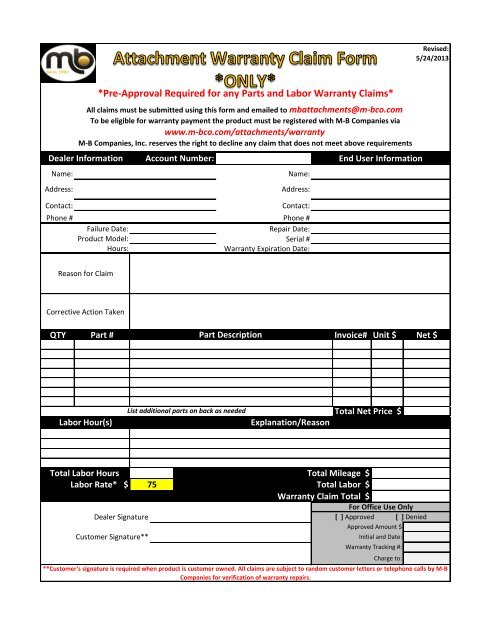
Pit Boss support requires specific evidence to bypass troubleshooting and authorize replacement. Morning contact yields 3x faster resolution based on user reports.
Critical Evidence Checklist
Power verification:
– Photo showing 1,650W reading at MAX setting
– Timestamped video of wattage test
– Ambient temperature during test (use weather app screenshot)
Performance timeline:
– Date of first use showing 225°F achievement
– Log of progressive temperature decline (225°F → 215°F → 205°F)
– Cooking logs showing extended times (e.g., “8-lb pork shoulder: 18 hours at 200°F vs. expected 14 hours”)
Contact Pit Boss Support Like a Pro
Call between 8-9 AM EST when lines open. Lead with:
“My PBV3A1 pulls full 1,650 watts but cannot exceed 200°F during operation, even after sensor cleaning. Units manufactured September 2022 onward consistently show this design limitation.”
Have ready: Amazon order number, purchase date, and your evidence package. Expect replacement authorization within 24 hours—Pit Boss acknowledges this pattern across hundreds of identical units.
Adapt Cooking Methods for 200°F Reality

When awaiting replacement, implement these food-safe strategies to avoid ruined meals and danger zone exposure.
Recalculate Cooking Timelines
Pork shoulder (8 lbs):
– Expected at 225°F: 1.5 hrs/lb = 12 hours
– Actual at 200°F: 2.25 hrs/lb = 18 hours
→ Start at 10 PM for 4 PM dinner
Whole chicken (5 lbs):
– Expected at 275°F: 30 mins/lb = 2.5 hours
– Actual at 200°F: 60+ mins/lb = 5+ hours
→ Critical: Transfer to 275°F oven when internal temp hits 140°F
Holiday turkey (15 lbs):
– Expected at 275°F: 15 mins/lb = 3.75 hours
– Actual at 200°F: 35+ mins/lb = 8.75 hours
→ Start at 4 AM for 1 PM Thanksgiving dinner
Emergency Food Safety Protocol
Extended time in the 40-140°F danger zone demands vigilance:
1. Insert probe thermometer at cook start
2. If meat stalls below 140°F for >2 hours: Transfer to kitchen oven at 275°F
3. For poultry: Remove skin after smoking, crisp under broiler 3-4 minutes
4. Never wrap meat in foil before reaching 150°F internal
Implement Proven Workarounds While Waiting
These methods salvage meals without voiding warranty through dangerous modifications.
Hybrid Oven-Smoker Technique
Process:
1. Smoke at MAX setting for 2 hours (flavor development)
2. Transfer to preheated 275°F oven when internal temp hits 140°F
3. Monitor until target internal temp reached (e.g., 203°F for pork shoulder)
4. Rest normally before serving
Result: 60% smoke flavor with 40% reduced cooking time. Ideal for holiday meals when replacement is delayed.
Strategic Insulation (For Cold Weather)
Only during sub-50°F conditions:
– Wrap smoker body in welding blanket (never block vents!)
– Place under covered porch (no wind exposure)
– Expected gain: 10-15°F improvement
Warning: Never modify electrical components or add external heating. This voids warranty and risks fire hazards.
Make Your Replacement Decision Now
The PBV3A1’s 200°F ceiling is a permanent design flaw—not user error. Use this framework to act decisively.
Return Immediately If:
- Unit cannot hit 350°F during initial burn-off (manufacturer requirement)
- You’re cooking for holidays or large gatherings within 30 days
- Power meter confirms 1,650W draw but max temp <210°F
Keep Temporarily Only If:
- You exclusively smoke small cuts (<4 lbs)
- Your schedule accommodates +50% cooking times
- Replacement units are backordered
Upgrade Smartly
When Pit Boss offers replacement:
– Request digital control model (e.g., PB330D) for consistent 225°F+ performance
– Consider pellet smokers if smoke flavor is critical (e.g., Pit Boss 820)
– Avoid analog-dial electric models entirely—this flaw affects only PBV3A1
Final Reality Check: Your Pit Boss PBV3A1’s 200°F ceiling isn’t your fault—it’s a documented design flaw in units manufactured from September 2022 onward. Document your power meter readings immediately, contact Pit Boss support at 8 AM EST with your evidence package, and implement the oven-smoker hybrid method for critical meals. While cleaning the temperature sensor provides minimal temporary relief, replacement remains the only permanent solution. Don’t waste weekends babysitting a smoker that can’t hit proper barbecue temperatures—your perfectly smoked brisket shouldn’t require an overnight vigil. With proper documentation, most users receive replacement authorization within 24 hours, getting you back to reliable 225°F cooks without the all-day marathons.
