
How to Fix Propane Grill Won’t Light
This post contains affiliate links. As an Amazon Associate, we earn from qualifying purchases.
Your burgers are ready, guests are waiting, and your propane grill won’t light. This frustrating scenario happens more often than you’d think, but most lighting failures have simple solutions you can handle yourself. Whether you’re dealing with a completely dead grill or weak, sputtering flames, this guide walks you through systematic troubleshooting that gets your cookout back on track.
You’ll learn to diagnose fuel issues, fix ignition problems, clear gas flow obstructions, and reset safety systems—all without expensive service calls. Most propane grill won’t light issues resolve in under 30 minutes when you follow these steps. Let’s get your grill firing reliably again.
Verify Your Propane Tank Isn’t Empty
Before troubleshooting complex components, confirm you actually have fuel. Many “propane grill won’t light” emergencies stem from an empty tank—a surprisingly common oversight when hosting guests.
Hot Water Test in 30 Seconds
Grab a cup of hot tap water and pour it down one side of your propane tank. Immediately run your palm along the same path. The tank will feel noticeably cooler where liquid propane sits inside. If the entire tank feels uniformly warm from top to bottom, you’re out of fuel. This instant method works because propane absorbs heat as it vaporizes, creating a distinct temperature line. Most grillers discover their tank is empty when they thought it was half-full—especially after winter storage.
Weigh Method for Accuracy
Check your tank handle for “TW” (tare weight), usually 17-19 pounds for standard 20-lb tanks. Weigh the full tank on a bathroom scale, then subtract the TW. You need at least 5 pounds of propane (about 25% full) for reliable ignition. Remember: A typical medium grill burns through a full tank in 18-20 hours, while larger models with multiple burners may empty it in just 10 hours. If your tank weighs close to its TW number, swap it immediately—don’t waste time troubleshooting other components.
Secure Gas Connections and Eliminate Leaks

Loose connections cause 30% of propane grill ignition failures. Address these before touching electrical components.
Hand-Tighten Tank Connection
Remove the plastic cap from your propane tank valve. Hand-tighten the regulator coupling nut clockwise until it stops—you shouldn’t need tools. Over-tightening damages seals. Then slowly open the tank valve counterclockwise; you’ll hear a brief hiss as gas pressurizes the system. Never force connections—stripped threads cause dangerous leaks requiring professional repair.
Soap Test for Leaks
Mix 1 tablespoon dish soap with 1 cup water in a spray bottle. Liberally coat these critical points:
– Tank valve and regulator coupling
– Regulator-to-hose connection
– Hose-to-grill manifold connection
Watch for bubbles forming within 30 seconds. Any bubbling means shut off the gas immediately and contact a professional—do not attempt ignition. Zero bubbles confirms secure connections. Recheck after every tank swap; vibration during transport often loosens fittings.
Diagnose Ignition System Failures
Battery issues cause most “propane grill won’t light” complaints. Start here before disassembling burners.
Battery-Powered Ignition Check
Locate your battery compartment (typically behind the ignition button). Remove the battery and inspect for white/green corrosion on terminals. Clean with rubbing alcohol and a cotton swab, then insert a fresh battery with correct polarity. Press the igniter—you should hear rapid clicking. Pro tip: Carry spare batteries in your grill tool kit; moisture and temperature swings drain them faster than expected.
Click Test Without Battery
Press the ignition button while listening closely:
– Battery systems: Continuous rapid clicking
– Piezo igniters (older models): Sharp snapping sounds
Complete silence indicates a failed spark generator. If you hear clicks but see no spark, skip to electrode cleaning.
Clean Spark Electrode
Remove cooking grates and flame tamers to access the thin metal electrode near burner tubes. Check for:
– Grease-coated tips: Wipe with alcohol-dampened swab
– Surface rust: Lightly sand with fine-grit paper
– Cracked ceramic bases: Requires replacement
– Loose wires: Push firmly onto the electrode
Critical step: Ensure the electrode tip is 1/8-inch from the burner tube. Misalignment prevents spark transfer even with a clean electrode.
Clear Burner Tube Blockages and Reset Regulator
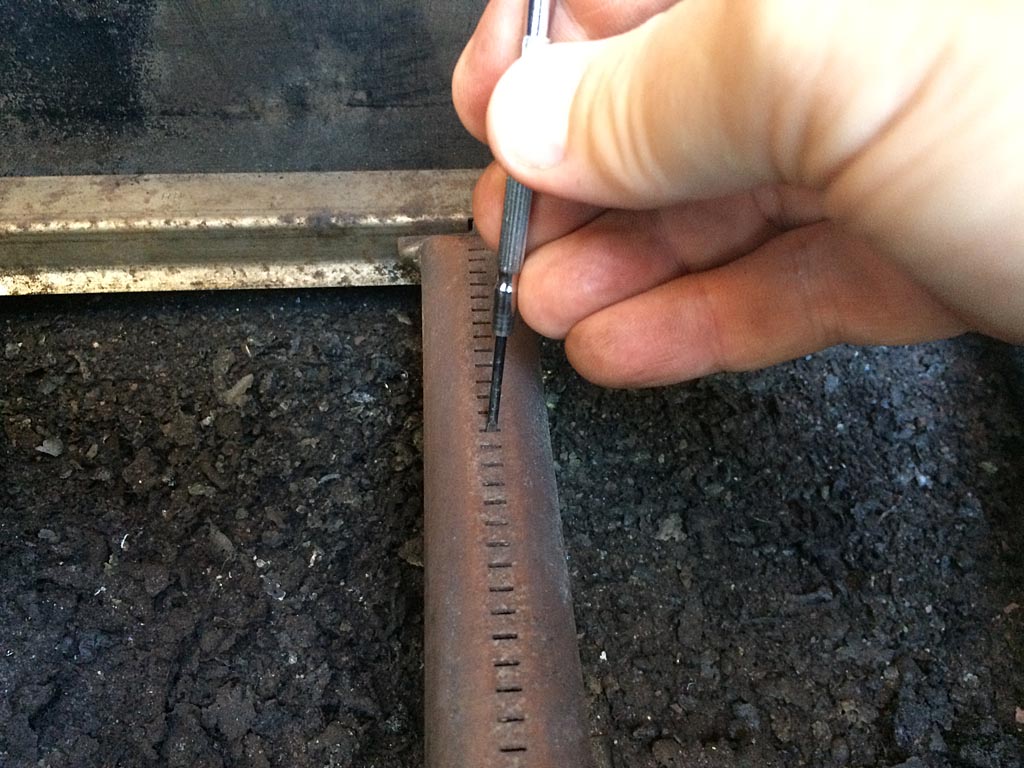
Food debris and spider nests commonly clog burner tubes—especially after seasonal storage.
Clean Burner Tubes Thoroughly
Disconnect the propane tank first. Remove cooking grates and flame tamers to expose burner tubes. Use a pipe cleaner or straightened paperclip to clear each burner hole individually. For stubborn grease:
1. Soak tubes in warm, soapy water for 10 minutes
2. Scrub with an old toothbrush
3. Rinse thoroughly and air-dry completely
Warning: Never use compressed air—it forces debris deeper into tubes.
Reset Regulator Flow
Inconsistent flames often indicate a “frozen” regulator. Perform this reset sequence:
1. Open grill lid
2. Turn off gas at tank (righty-tighty)
3. Disconnect hose from tank
4. Turn all burners to HIGH for 2 minutes
5. Turn burners OFF
6. Reconnect hose
7. Slowly open tank valve fully
8. Ignite normally
This “burping” procedure equalizes pressure in the regulator—a fix for 70% of low-flame issues. Never skip step 4; residual gas must clear before re-pressurizing.
Overcome Weather-Related Ignition Problems
Environmental factors sabotage grills when you least expect it.
Moisture Problems
Morning dew or rain leaves water in ignition components. After wet conditions:
– Remove the igniter battery and dry it with a towel
– Wipe electrode terminals with alcohol
– Perform the regulator reset to clear moisture from gas lines
Pro tip: Store batteries indoors during humid seasons—moisture causes corrosion even when not in use. Always cover your grill with a breathable, weather-resistant cover.
Cold Weather Solutions
Below 40°F, propane vaporizes poorly. Before grilling in winter:
– Bring your tank indoors for 30 minutes (never near open flames!)
– Allow 2-3 extra ignition attempts—the gas needs time to vaporize
– Never use heat sources to warm the tank; this creates explosion risks
Cold-weather grilling requires patience; the first few ignitions often sputter before stabilizing.
Reset Safety Valves After Improper Shutdowns

Modern grills shut off gas flow if ignition fails repeatedly—a safety feature that traps users.
Safety Valve Reset
This triggers when:
– Gas was left on without ignition
– Burners weren’t turned off before tank shutoff
– Regulator detected abnormal flow
Reset by:
1. Turning off all controls and tank valve
2. Waiting 5 full minutes (critical for system reset)
3. Reconnecting the tank
4. Opening the tank valve slowly
5. Lighting burners within 30 seconds of opening the valve
Always follow your manual’s lighting sequence exactly—some brands require holding igniters for 5+ seconds during cold starts.
When to Stop Troubleshooting and Call a Pro
Immediately shut off gas and contact a certified technician if you:
– Smell gas after turning off the tank
– See bubbles during the soap leak test
– Notice cracked, bulging, or brittle hoses
– Experience multiple failures after completing all steps
– Hear unusual whistling or hissing sounds
These indicate dangerous gas leaks or component failures beyond DIY repair.
Prevent Future “Won’t Light” Emergencies
Weekly Quick Checks
- Visually inspect hoses for cracks before each use
- Confirm tank connection is hand-tight
- Perform quick propane level check via hot water test
Monthly Deep Maintenance
- Conduct full soap leak test
- Clean electrode with alcohol swab
- Test battery voltage with a multimeter
Seasonal Storage Protocol
- Disconnect propane tank (store upright outdoors)
- Remove ignition battery to prevent corrosion
- Deep-clean burner tubes with baking soda solution
- Cover with UV-resistant, breathable fabric cover
Your propane grill won’t light crisis is almost always solvable with these steps. Start with the propane level and battery—these fix 80% of cases. If flames still won’t ignite after clearing blockages and resetting the regulator, professional help is safer than persistent DIY attempts. By following this prevention schedule, you’ll avoid most lighting failures and enjoy reliable grilling for years. Remember: When in doubt about gas safety, always call a certified technician—your cookout isn’t worth the risk.
