
Weber Grill Won’t Ignite? Fix It Fast
This post contains affiliate links. As an Amazon Associate, we earn from qualifying purchases.
You’ve marinated the ribs, guests are arriving in 20 minutes, and your Weber propane grill won’t ignite. That familiar click-click-click echoes uselessly as you press the igniter button for the tenth time. Before canceling dinner plans, know this critical fact: 90% of ignition failures stem from five fixable issues, most solvable with tools already in your garage. Whether you own a Spirit II, Genesis, or Summit model, this guide delivers the exact steps Weber-certified technicians use—no guesswork, no jargon. Skip the panic and start troubleshooting; your perfectly seared steak is closer than you think.
Confirm Propane Tank Isn’t Empty
Why Your Gauge Lies About Fuel Levels
That small dial on top of your propane tank often misleads Weber owners. A reading below 20% means insufficient pressure for ignition—even if the tank feels heavy. 40% of “broken grill” calls stem from nearly empty tanks. Don’t trust the gauge alone: weigh your 20lb tank. An empty tank weighs 17-18 lbs; a full one hits 37-38 lbs. If you can lift it with one hand like a bag of dog food, it’s critically low. When in doubt, swap tanks immediately—most hardware stores and gas stations offer 24/7 exchanges. Keep a spare full tank in your garage; propane lasts indefinitely when stored properly.
The Five-Second Tank Valve Check
Many users overlook the simplest fix: a partially closed tank valve. Turn the valve fully clockwise until it stops, then reopen it slowly (counter-clockwise) before attempting ignition. A valve opened too quickly triggers the regulator’s safety bypass, cutting gas flow. If flames sputter weakly after lighting, this is your culprit. Always open tank valves slowly—over 3 full seconds—to prevent pressure surges.
Reset the Regulator Bypass Mode
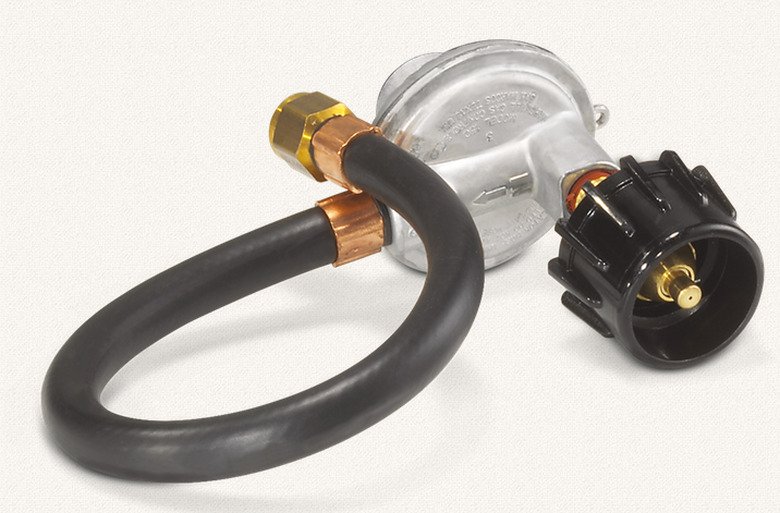
Why Your Regulator Shuts Off Gas Flow
Weber grills include an automatic safety feature that restricts gas if pressure fluctuates. This “bypass mode” activates after sudden valve closures or temperature shifts, mimicking ignition failure. Reset it in 90 seconds flat:
- Shut off tank valve completely (clockwise until tight)
- Disconnect regulator hose from tank (turn coupling counterclockwise)
- Wait 30 seconds for residual gas to clear
- Reconnect regulator and hand-tighten securely
- Open tank valve SLOWLY over 3+ seconds
How to Verify the Fix
Turn all burner knobs to HIGH and press the igniter. If you hear clicking but no flame, gas is flowing—proceed to ignition checks. No clicking? Your battery is likely dead. If flames ignite but die when lighting multiple burners, replace the regulator (more on this later).
Replace Igniter Battery Correctly

Finding the Hidden Battery Compartment
On Spirit II models, the black battery box tucks discreetly behind the left side frame—many owners miss it entirely. For Genesis grills, check near the control panel base. Never force the cap: unscrew it counterclockwise (it’s the only moving part). Remove the old AA battery, noting the + and – orientation marked inside the compartment. Insert a fresh battery exactly as positioned before—reversed polarity kills spark generation.
Why New Batteries Sometimes Fail
Store-bought batteries can be duds. Test with a multimeter (should read 1.5V) or try two fresh batteries sequentially. Pro tip: While replacing, inspect the two thin wires leading to the igniter electrode for cracks or grease buildup. Wipe clean with a dry cloth—grease insulates the spark path.
Light Your Grill Manually (No Igniter Needed)
Emergency Lighting Protocol
Never attempt this with the lid closed—propane buildup risks explosion. Follow these steps precisely:
- Open lid fully
- Turn ALL burner knobs to HIGH
- Hold long-reach lighter near burner ports (the small holes where flames emerge)
- Ignite within 5 seconds—if no flame, turn knobs OFF and wait 5 minutes before retrying
- Adjust heat once lit
Critical Safety Warning
If gas smell persists after 5 seconds, STOP. Close tank valve, wait 15 minutes for gas dissipation, then check connections with soapy water (bubbles = leak). Never use matches near burner ports—they can extinguish from gas pressure.
Unclog Burner Ports From Spider Webs
Identifying Spider Infestation
White, cotton-like webs inside burner tubes or brass orifices indicate spider nests. Spiders detect propane odors and build nests in venturi tubes, blocking gas flow. This causes 10% of ignition failures, especially in grills stored outdoors. Remove cooking grates and Flavorizer bars to access burner tubes (they lift straight out on most models).
Precision Cleaning Technique
Use a straightened paperclip or 1/16″ drill bit twisted by hand only—power drills enlarge ports and disrupt flame patterns. Poke each burner hole methodically. Key visual cue: Ports should reflect light uniformly; dark spots indicate clogs. For stubborn webs, insert a bottle brush through the entire venturi tube length. Replace burner tubes if rust holes are visible—they cost $30-50 online and take 5 minutes to swap.
Test for Regulator Malfunction
Four Signs Your Regulator Is Failing
- Weak yellow flames even with a full tank
- Flames dying when lighting multiple burners
- Hissing sounds near regulator connections
- Visible cracks in the rubber hose
Leak Detection That Could Save Your House
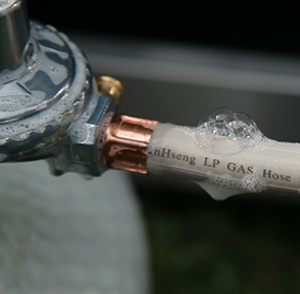
Mix 1 part dish soap with 3 parts water in a spray bottle. With tank valve OPEN and burners OFF, spray all connections. Bubbling indicates a leak—tighten couplings or replace parts immediately. Never use a flame to check for leaks.
Spirit II Ignition Quirks You Must Know

Why Battery Replacement Isn’t Always Enough
Spirit II models (#67088 igniter module) suffer unique issues:
– Grease-coated electrodes prevent spark generation (clean with rubbing alcohol + cotton swab monthly)
– Smaller burner ports clog 3x faster than Genesis models
– Hidden battery compartment behind left frame leg
Quick Spirit II fix: Remove the igniter electrode (small metal rod near burner) and scrub its tip with steel wool. Reinstall ensuring it’s 1/8″ from burner ports—too close grounds the spark.
Prevent Future Ignition Failures
The 2-Minute Monthly Check
While preheating, scan burner flames—they should be steady blue with minimal yellow tips. Flickering or uneven flames signal clogs forming. Check propane levels and regulator connections; this routine prevents 80% of failures.
Annual Must-Do Maintenance
- Replace igniter battery every spring (yes, even if it works—$2 prevents disaster)
- Deep-clean burners before peak season: remove tubes, clear ports, inspect for rust
- Store with knobs OFF—not just tank valve—to block spider entry
When to Call a Professional
Seek certified Weber service if:
– Gas smell persists after leak checks
– You need multiple part replacements
– Grill is under warranty
– Regulator shows visible damage
Professionals perform leak testing, deep cleaning, and warranty coordination—often at no cost for covered models.
Don’t let a stubborn grill ruin your cookout. Start with the propane tank and regulator reset—they solve two-thirds of all ignition failures. If sparks fly but flames don’t catch, attack clogged burner ports or spider webs. For Spirit II owners, prioritize electrode cleaning and annual battery swaps. Remember: manual lighting works when electronics fail, but always prioritize safety over speed. With these steps, you’ll transform from frustrated host to grill-saving hero—steaks seared, guests impressed, and takeout money saved. Now fire it up and reclaim your summer.
