
Grill Not Getting Hot? Quick Fixes
This post contains affiliate links. As an Amazon Associate, we earn from qualifying purchases.
Your steak sits ready, but your grill stubbornly hovers at a measly 250°F. Sound familiar? A grill that won’t reach proper searing temperature is every backyard chef’s nightmare. Whether you’re dealing with weak orange flames or uneven heating, this guide walks you through every possible cause and solution for why won’t my grill get hot.
From empty propane tanks to clogged burners, we’ll help you diagnose and fix the problem fast—no fancy tools required. By the end, you’ll know exactly what to check, how to fix it, and when to call it quits on an old grill. Stop wasting charcoal and propane; let’s get your grill roaring again.
Check Propane Level First
Water Test for Tank Level
Pour hot tap water down the tank’s side, then run your hand upward. The cold-to-warm transition reveals your propane level instantly. This 30-second test beats guessing every time. If your hand feels cold near the bottom but warm at the top, you’re running dangerously low—swap tanks before firing up.
Weight Test Method
Weigh your tank and subtract the tare weight stamped on the handle. A full 20lb tank weighs 37 pounds, empty weighs 17 pounds. Anything under 20 pounds total means you’re running low and won’t achieve proper searing temperatures. Keep a bathroom scale near your grill station for quick checks.
When to Replace the Tank
Swap tanks when levels drop below 20% remaining fuel. Check the expiration date stamped on the collar—expired tanks won’t be refilled and can be dangerous. Never ignore rust, dents, or corrosion; these compromise safety and fuel delivery. Always perform a leak test after installing a new tank to ensure you’ve solved why won’t my grill get hot.
Fix Regulator Bypass Mode
Reset Procedure Step-by-Step
Turn all burner knobs off, then close the tank valve completely. Disconnect the regulator and wait 2-5 minutes. Reconnect hand-tight, then slowly open the tank valve while counting to 30. Light one burner on high for 30 seconds before lighting others. This resets the safety mechanism causing restricted gas flow—the most common reason why won’t my grill get hot.
Prevent Future Trips
Always turn burners off before closing the tank valve. When starting, open the tank valve slowly—never yank it open quickly. This simple habit prevents 90% of regulator bypass issues. Contrary to myth, never turn the valve halfway back after opening; this creates dangerous pressure fluctuations that trigger bypass mode.
Replace Faulty Regulator
If flames stay tiny after reset, or you hear popping sounds, the regulator needs replacement. Match the new regulator to your grill model—universal kits often don’t fit properly. A failing regulator starves your burners of gas, directly causing why won’t my grill get hot. Check for visible corrosion or excessive heat on the regulator body as warning signs.
Clean Clogged Burner Ports

Remove and Inspect Burners
After the grill cools completely, remove grates and heat shields. Unscrew each burner and slide it out. Look for rust, cracks, or enlarged ports that indicate replacement is needed. Spider webs and grease buildup inside burner tubes are silent killers of proper heat output—address these to fix why won’t my grill get hot.
Deep Clean Protocol
Use a brass brush (never steel) to scrub exterior burner ports. Run a thin wire through each port and down the venturi tubes to clear spider webs and grease buildup. Finish with compressed air to blow out stubborn debris. This restores proper gas flow and prevents uneven heating patterns that sabotage searing.
Restore Proper Flame Pattern
After cleaning, flames should be mostly blue with minimal yellow tips. Yellow flames indicate poor gas-air mixing—adjust the air shutter at the burner inlet until flames turn blue. Proper flame color ensures maximum heat transfer to your cooking surface. If flames remain yellow after adjustment, burner replacement is likely necessary.
Diagnose Airflow Restrictions
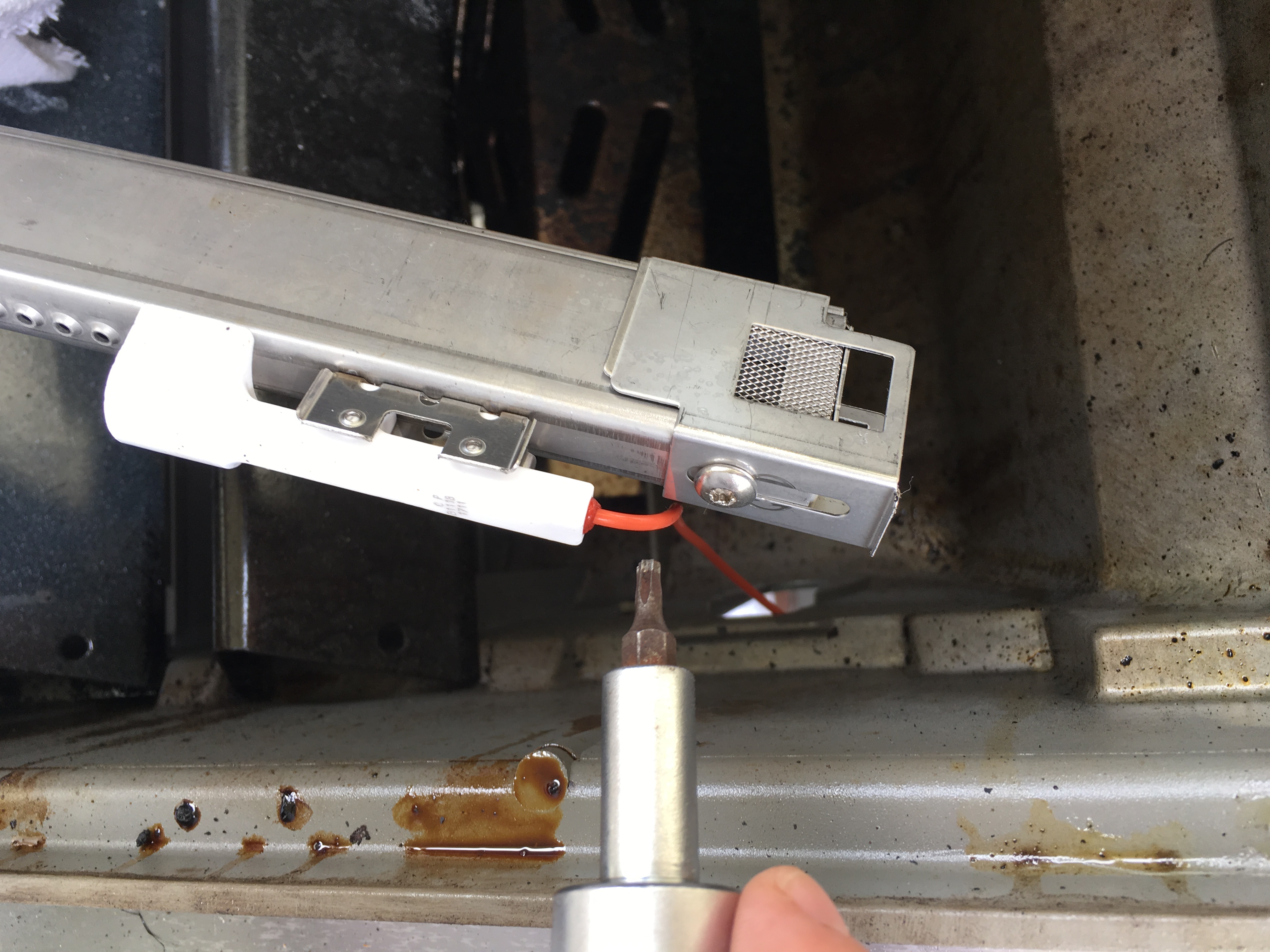
Check Venturi Shutters
Clean these small adjustable openings at each burner inlet with compressed air. Grease buildup here causes yellow flames and poor heating throughout the grill. Proper airflow through venturis is critical for complete combustion—neglecting this directly contributes to why won’t my grill get hot.
Optimize Grill Positioning
Keep your grill at least 3 feet from walls and out of enclosed spaces. Wind swirling into the firebox can drop temperatures significantly—use a windscreen in gusty conditions. Position the grill perpendicular to prevailing winds to prevent cool air from extinguishing burner flames mid-cook.
Clear Blocked Vents
Ensure side vents and the chimney aren’t obstructed by grease or debris. A lid that doesn’t seal properly also kills heat retention—check the gasket condition annually. Even small gaps let heat escape rapidly, making it impossible to reach 500°F+. Replace warped lids or damaged gaskets immediately.
Test Temperature Accuracy
Verify Built-in Gauge
Hood thermometers typically read 50-75°F lower than actual grate temperature. Place a probe thermometer 1 inch above the cooking grate to get accurate readings for searing zones. Many grillers mistakenly think why won’t my grill get hot when their hood gauge is simply inaccurate—always verify with a secondary thermometer.
Calibrate Your Cooking Zones
Use the probe method to map hot and cool spots across your grill. This helps you understand where to place food for different cooking techniques, even if the hood gauge seems off. Knowing your grill’s true temperature profile prevents undercooked meals and wasted fuel.
Replace Inaccurate Thermometer
If your hood gauge reads more than 75°F off, swap it for a high-temp aftermarket unit. Most grill thermometers pop out easily and cost under $20 to replace. An accurate thermometer eliminates guesswork and ensures you’re not chasing phantom heating issues.
Handle Environmental Challenges

Cold Weather Fixes
In temperatures below 40°F, preheat 25% longer and keep the lid closed as much as possible. Consider a grill blanket for extreme cold—they’re worth every penny for winter grilling. Cold propane vaporizes slower, reducing gas pressure and causing why won’t my grill get hot symptoms even with full tanks.
Wind Management Strategies
Position the grill perpendicular to prevailing winds. A simple hinged wind deflector (or even a sheet of aluminum foil) can prevent heat loss from wind swirling into the firebox. Wind cools burners faster than they can heat, dropping temperatures by 100°F+ in seconds—never ignore this factor.
Altitude Adjustments
Above 5,000 feet, expect about 10% lower BTU output. Increase preheat time and consider upgrading to higher BTU burners if you live in high-altitude areas. Thinner air reduces combustion efficiency, making it harder to reach searing temperatures—adjust expectations accordingly.
New Grill First-Use Issues
Burn Off Manufacturing Residue
Run your new grill on high for 30 minutes before first cooking. This burns off protective oils and ensures proper seasoning of the grates and burners. Many new grill owners panic when why won’t my grill get hot happens initially—this burn-off period solves 90% of out-of-box heating issues.
Regulator Reset After Assembly
Brand-new grills often trip the regulator during initial setup. Perform the complete regulator reset procedure after confirming all knobs are off before attaching the tank. Skipping this step is a common oversight that triggers false heating problems.
Initial Temperature Expectations
Don’t panic if your new grill seems underpowered at first. After the burn-off period and regulator reset, it should reach 500°F+ within 15 minutes on high. New components need conditioning—give it two full heating cycles before diagnosing persistent issues.
Replace vs Repair Decision
Worth Replacing
Individual parts like burners, regulators, and thermometers are cost-effective fixes. Most burners cost $30-80 and restore like-new performance when properly installed. Always replace damaged components with OEM parts to maintain proper gas flow and safety.
Time to Upgrade
Replace the entire grill when you see firebox rust-through, cracked welds, or manifold corrosion. If your grill is over 10-15 years old with multiple failing components, upgrading saves money long-term. Persistent heating issues often signal systemic failure in aging units.
Safety Red Flags
Any gas odor means immediate shut-off and repair. Don’t risk it—gas leaks can be deadly. Always keep a Class B fire extinguisher within 10 feet of your grill. Never ignore hissing sounds, yellow flames after cleaning, or inconsistent burner performance—these demand professional attention.
Quick Diagnostic Checklist
Grill won’t light: Check fuel level → Leak test → Reset regulator
Lights but stays under 250°F: Reset regulator → Clean burners → Check airflow
Stalls at 350°F: Verify gauge accuracy → Deep clean burners → Address wind issues
Yellow, sputtering flames: Clean burner ports → Adjust air shutter → Replace damaged burners
Bottom line: Most heating problems stem from three culprits—low fuel, tripped regulator, or dirty burners. Start with these quick fixes before diving deeper. Your perfectly seared steaks await, and now you have the knowledge to get there every time. Remember: when why won’t my grill get hot strikes, systematic troubleshooting beats guesswork every time. Keep this guide handy for your next grilling emergency.
